
📊 Full opportunity report: Build vs Buy a Prebuilt AI Workstation on ThorstenMeyerAI.com — validation score, market gap, and execution plan.

Get business pricing on office and shipping supplies
- Business-only prices and quantity discounts
- Tax-exempt purchasing
- Multiple users, one account, clear invoices
TL;DR
In 2026, the traditional cost advantage of building a DIY AI workstation has diminished due to component shortages and price spikes. Buyers now face a genuine trade-off between customizing their machine and purchasing prebuilt systems with validated thermals and warranties.
In 2026, the long-standing assumption that building a custom AI workstation is always cheaper than buying prebuilt has changed, driven by component shortages and rising hardware prices. Consumers and professionals now face a genuine trade-off between cost, time, and thermal management when choosing how to acquire their high-performance AI rigs.
Component shortages and price spikes in key parts like GPUs, DDR5 RAM, and SSDs have increased the cost of DIY builds, often surpassing prebuilt options. Major vendors such as Lambda, BIZON, and Puget Systems now offer preassembled systems with validated thermals, water-cooling, and extended warranties, reducing the need for thermal tuning and troubleshooting. These prebuilt systems are often tested under sustained loads, ensuring reliable performance without the user needing to pull the thermal levers traditionally associated with DIY setups.
Meanwhile, DIY builders can still customize their machines, choosing specific components, undervolting GPUs, and optimizing airflow. This approach offers control and upgradeability but requires expertise and time investment. The market shift means that the decision is less about cost savings and more about balancing time, control, and risk.
Build vs buy
an AI workstation.
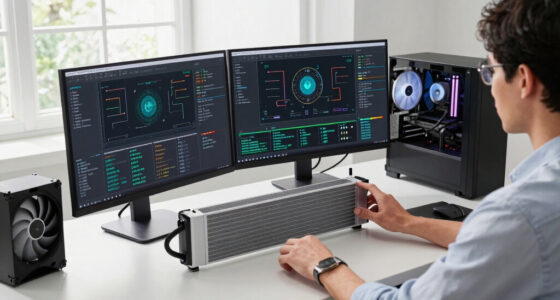
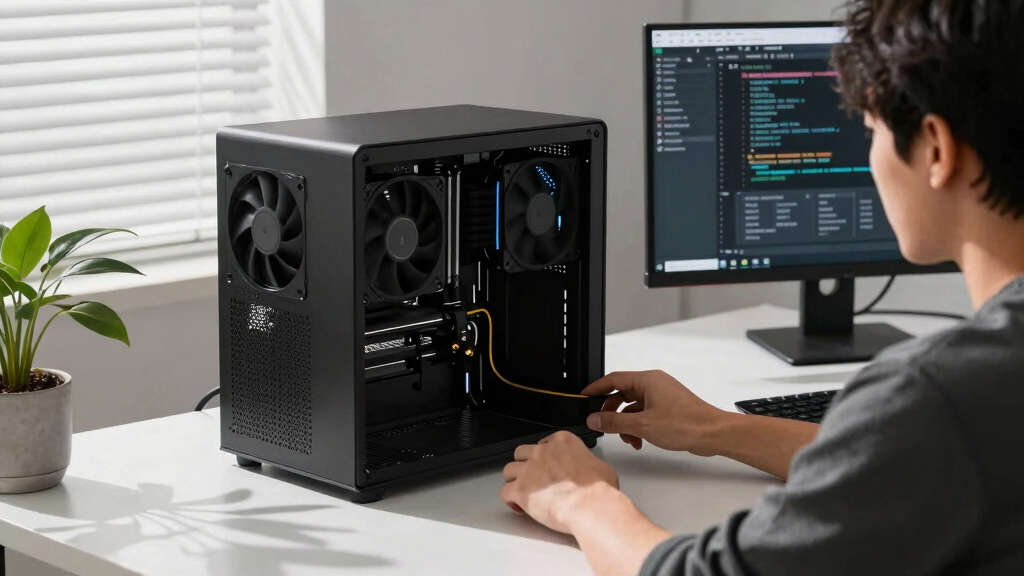
The real question behind this whole series: do you pull the five heat-and-noise levers yourself, or buy a prebuilt where the vendor pulled them for you? And in 2026, the old “building is cheaper” rule has broken. Match your situation in Part 3.
Implications for AI Professionals and Hobbyists
The shift in market dynamics means AI practitioners and enthusiasts must now evaluate whether the time and expertise required for DIY building justify the potential savings, or if purchasing a prebuilt system with validated thermals and warranty offers better value and lower risk. This change affects how individuals and organizations plan their hardware investments, especially as component shortages continue to influence prices and availability.prebuilt AI workstation with validated thermals
As an affiliate, we earn on qualifying purchases.
As an affiliate, we earn on qualifying purchases.
Component Shortages and Market Price Shifts in 2026
Since 2023, shortages of high-end GPUs, DDR5 RAM, and SSDs have driven prices upward. The bulk purchasing power of prebuilt vendors has allowed them to maintain competitive prices, sometimes beating DIY costs despite the rising component prices. Historically, building was always cheaper, but market conditions have reversed this trend for the near term. Additionally, the AI boom has increased demand for high-performance hardware, further tightening supplies and inflating prices.
Leading system integrators now perform extensive thermal validation and burn-in testing, offering systems that are ready to deploy with minimal setup. Build vs Buy a Prebuilt AI Workstation. This shift has made prebuilt systems more appealing to professionals who prioritize reliability and time savings over customization.
"The traditional rule that building is always cheaper no longer holds in 2026, especially with current component shortages and price spikes."
— Thorsten Meyer, AI hardware expert
high-performance GPU for AI workstations
As an affiliate, we earn on qualifying purchases.
As an affiliate, we earn on qualifying purchases.
Remaining Questions About Long-Term Cost and Flexibility
It is still unclear how long component shortages and price spikes will persist, and whether future hardware releases will alter the current market dynamics. Additionally, the long-term upgradeability and total cost of ownership for prebuilt systems versus DIY builds are still being evaluated, especially as new AI hardware emerges.
professional AI workstation with warranty
As an affiliate, we earn on qualifying purchases.
As an affiliate, we earn on qualifying purchases.
Market Trends and Hardware Availability in 2026
Expect ongoing fluctuations in component prices and availability through 2026. Buyers should continue to compare current costs of DIY parts versus prebuilt systems, considering their specific needs for thermal performance, warranty, and upgradeability. Vendors may also introduce new models or configurations in response to market conditions, influencing the decision-making process.
water-cooled AI workstation prebuilt
As an affiliate, we earn on qualifying purchases.
As an affiliate, we earn on qualifying purchases.
Key Questions
Is building an AI workstation cheaper than buying in 2026?
Not necessarily. Due to component shortages and rising prices, prebuilt systems can now match or even undercut DIY costs for similar configurations. It’s essential to compare prices for your specific setup.
What are the main advantages of buying a prebuilt AI workstation?
Prebuilts offer validated thermals, extensive testing, warranties, and ready-to-use setups with preinstalled AI frameworks, saving time and reducing risk of thermal or hardware issues.
Can I upgrade a prebuilt AI workstation later?
Upgrade options depend on the system design, but many vendors offer modular configurations and support for future upgrades, though some prebuilt systems may limit certain modifications.
Is DIY still worth it for hobbyists and students?
Yes, if you enjoy building, have time, and want customized control over components and thermal tuning. DIY remains a cost-effective option for those with the expertise and interest.
How do thermal management considerations influence the build vs buy decision?
Prebuilt systems often come with factory-validated cooling solutions, reducing the need for thermal tuning. DIY builders must pull the thermal levers themselves, which requires expertise but offers customization.
Source: ThorstenMeyerAI.com
Fall Picks
fall essentials
As an affiliate, we earn on qualifying purchases.