To cut confusion in your conference rooms, create a clear naming system that combines memorable, themed names with consistent visual cues like color coding. Use names based on themes or personalities to make them easy to recall, and assign specific colors to different areas or types of meetings. Incorporate signage that matches these colors and names for quick recognition. This approach streamlines navigation and reduces wasted time—discover how to implement this effective system from start to finish.

Get business pricing on office and shipping supplies
- Business-only prices and quantity discounts
- Tax-exempt purchasing
- Multiple users, one account, clear invoices
Key Takeaways
- Use memorable, themed names based on relevant categories like cities or scientists for quick identification.
- Implement a color coding system to visually differentiate rooms at a glance.
- Incorporate clear signage and consistent visual cues to enhance navigation and reduce search time.
- Assign logical, easy-to-remember names that reflect each room’s purpose or theme.
- Combine naming conventions with visual and digital tools for a streamlined, confusion-free system.
Have you ever struggled to remember which conference room is which during a busy workday? It’s a common challenge in many offices, especially when meeting rooms are scattered across different floors or floors, and the names are unremarkable or confusing. That’s where an effective conference room naming system can make a huge difference. Implementing innovative naming conventions paired with color coded systems can streamline your workspace, reduce confusion, and save everyone time.
Simplify your office navigation with creative names and color codes for conference rooms.
Instead of generic labels like “Room 1” or “Conference A,” consider using creative, memorable names that reflect the purpose or theme of each space. For example, naming rooms after famous scientists, cities, or even themes relevant to your company’s mission can make it easier for employees to remember and identify rooms quickly. These innovative naming conventions add personality to your office and foster a more engaging environment. Plus, they eliminate the need to memorize arbitrary numbers or letters, which often blur together during a hectic day.
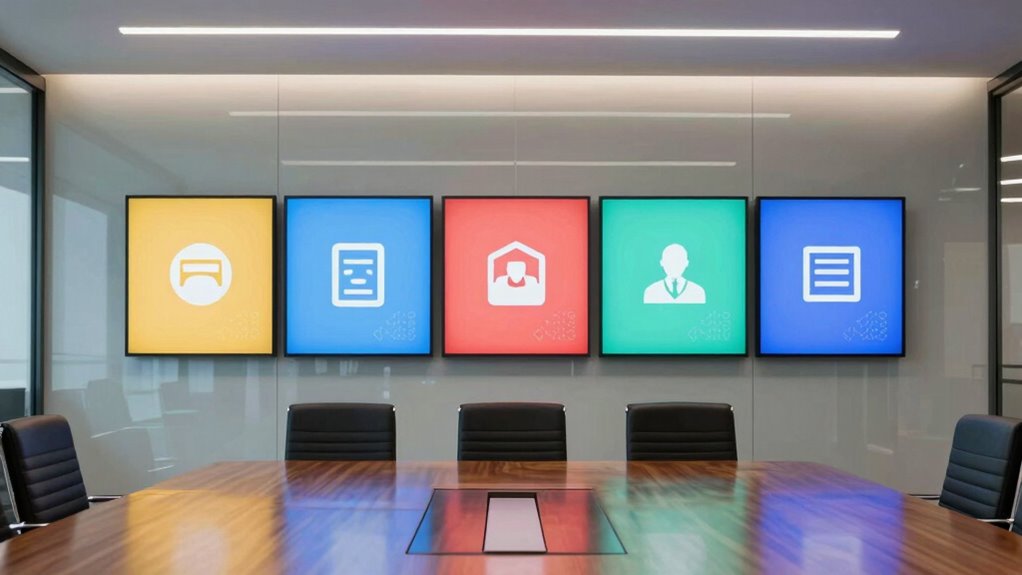
Complementing these names with a color coded system further enhances clarity. Assign a specific color to each conference room or group of rooms. For instance, all rooms related to project planning could be green, while those used for client meetings might be blue. When visual cues are consistent throughout your office—on signage, digital calendars, or room booking apps—people can identify the right space at a glance. This reduces the time wasted searching for the correct room or double-booking by mistake. The visual differentiation also helps new employees or visitors navigate the space effortlessly. Incorporating a color coding system based on psychological associations can further enhance this memorability.
Understanding biodiversity and its importance can inspire creative naming themes that promote environmental awareness and sustainability within your organization. Additionally, using innovative naming conventions that relate to broader concepts or themes can make the process of remembering room locations more engaging and meaningful. Incorporating visual cues and consistent signage can also improve overall navigation and reduce confusion. In the end, a well-designed conference room naming system isn’t just about aesthetics; it’s about functionality. It helps your team work more efficiently, minimizes frustration, and creates a more organized environment. When everyone knows exactly where to go and what to expect, your office runs smoother. By using innovative naming conventions paired with a strategic color coded system, you transform what could be a confusing maze into a clear, logical space that everyone can navigate with confidence.
conference room signage with color coding
As an affiliate, we earn on qualifying purchases.
As an affiliate, we earn on qualifying purchases.
Frequently Asked Questions
How Do You Handle Room Name Changes Over Time?
When room names change over time, you should communicate updates clearly to prevent confusion, fostering a culture of conflict resolution and cultural sensitivity. Use signage, email notifications, and update digital calendars promptly. Encourage feedback from staff to address concerns, respecting diverse perspectives. Regularly review and document changes, maintaining consistency and transparency to guarantee everyone understands and adapts smoothly, avoiding misunderstandings and promoting an inclusive environment.
What Is the Process for Assigning New Room Names?
You start by gathering your team for creative brainstorming, encouraging ideas that reflect your company’s branding consistency. Then, evaluate suggestions for clarity, relevance, and ease of use. Once a suitable name emerges, document it in your naming system and communicate the change across your organization. This process guarantees new room names align with your brand identity, reduce confusion, and foster a cohesive office environment.
Are There Any Guidelines for Naming Themed Rooms?
They say “a picture is worth a thousand words,” and the same applies to themed rooms. For naming guidelines, focus on creative themes that inspire and engage, while maintaining branding consistency. Use clear, memorable names that reflect the room’s theme and purpose. Avoid overly complex or unrelated names. Keep it fun yet professional, ensuring each name aligns with your company’s identity and encourages a positive, collaborative atmosphere.
How Does the System Accommodate Future Office Expansions?
You can easily accommodate future office expansions by designing your office layout with flexible naming consistency. Use a logical, scalable system that allows new rooms to fit seamlessly into the existing framework, such as adding designated categories or numbered sequences. This approach keeps the naming clear and organized, making it simple for everyone to navigate, regardless of how much your office grows. Planning ahead guarantees your naming system remains effective over time.
What Technology Supports the Naming System’s Implementation?
You support the implementation of the room naming conventions using digital signage, which displays up-to-date room information clearly. This technology allows you to easily manage and update room names as your office expands. Digital signage integrates seamlessly with your system, ensuring everyone quickly finds the right space. It also reduces confusion by providing visual cues aligned with your naming conventions, making navigation straightforward and efficient for all staff and visitors.
As an affiliate, we earn on qualifying purchases.
Conclusion
By adopting a clear, consistent conference room naming system, you eliminate confusion and create a more efficient environment. When you use logical labels and lively language, you foster familiarity and flow. Remember, a simple system sparks seamless scheduling, supports swift spotting, and sustains smooth meetings. So, start strategizing your space today — simplify, specify, and shine with a system that sticks! Your smarter, smoother conference room experience begins with a stellar naming system.
As an affiliate, we earn on qualifying purchases.
themed conference room name plates
As an affiliate, we earn on qualifying purchases.
As an affiliate, we earn on qualifying purchases.
Halloween Picks
halloween
As an affiliate, we earn on qualifying purchases.