In open offices, constant background noise can considerably disrupt your focus and reduce productivity. Sounds like chatter, phones ringing, and movement often leak across spaces, creating distractions that break your concentration. This noise increases mental fatigue, raises stress levels, and makes it harder to complete complex tasks efficiently. Effective acoustic design and strategies can help manage these disruptions, turning noise into a support for productivity—so, if you want practical ways to improve your workspace, keep looking further.
Key Takeaways
- Sound leaks from conversations and activities disrupt concentration, reducing overall productivity in open office environments.
- Background noise causes mental fatigue, decreasing focus and increasing errors during complex tasks.
- Poor acoustic design allows noise to travel easily, fragmenting attention and lowering work efficiency.
- Distractions from noise lead to heightened stress levels, negatively impacting employee well-being and performance.
- Ineffective sound management prevents creating quiet zones, hindering deep work and sustained concentration.

Open offices are designed to foster collaboration, but the constant background noise can profoundly disrupt your focus and productivity. When you’re trying to concentrate on complex tasks or immerse in deep work, the ambient chatter, ringing phones, and movement can become major distractions. That’s where the importance of acoustic design comes into play. Good acoustic design isn’t just about reducing noise; it’s about creating an environment where your employee focus can thrive.
Open offices boost collaboration but require thoughtful acoustic design to minimize distractions and enhance focus.
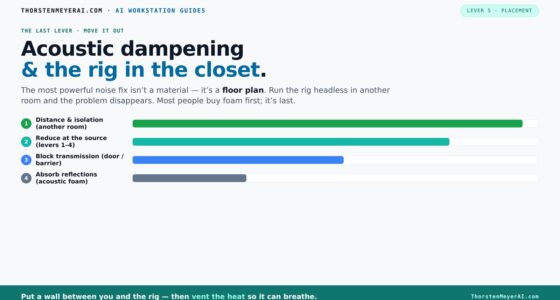
In an open office, sound easily travels, making it difficult to find a quiet space for concentration. Without proper acoustic planning, noise leaks from conversations, meetings, or even kitchen areas, creating a constant background hum that pulls your attention away from tasks. This persistent distraction can lead to decreased efficiency, mistakes, and even increased stress levels. To combat this, organizations need to prioritize acoustic design that manages sound levels effectively. This might include installing sound-absorbing panels, using carpets, or creating designated quiet zones. When these elements are thoughtfully implemented, they help dampen background noise and create pockets of tranquility where you can focus without interruption.
Your employee focus is directly impacted by how well the space manages sound. When noise levels are controlled, you’re more likely to stay engaged with your work and sustain concentration for longer periods. Conversely, a noisy environment can fragment your attention, forcing you to constantly reorient yourself and regain focus. This mental juggling decreases your overall productivity and can contribute to fatigue over time. Acoustic design aims to create a balanced soundscape—loud enough to foster healthy communication but controlled enough to prevent noise from overwhelming your senses. Additionally, understanding the impact of sound leaks in open offices highlights the importance of strategic planning and design. Incorporating soundproofing techniques can further enhance the effectiveness of acoustic treatments. Furthermore, implementing noise control strategies can help maintain a consistent and comfortable sound environment, ensuring that sound levels do not fluctuate unpredictably throughout the workday. Recognizing the significance of acoustic comfort is essential for creating a workspace that promotes focus and well-being.
Furthermore, strategic layout choices can improve employee focus. Positioning desks away from high-traffic areas or installing sound barriers can drastically cut down on disruptive noise. Providing employees with access to private or semi-private spaces for focused work also plays an integral role. When you have the option to retreat to a quieter environment, your ability to concentrate improves, and your work quality benefits. Proper acoustic planning ensures that sound is managed proactively, reducing the need for reactive solutions later on.
In the end, effective acoustic design isn’t just a luxury; it’s a necessity for maintaining your focus in an open office. When your workspace is thoughtfully engineered to manage sound, it directly enhances your productivity, reduces stress, and creates a more satisfying work experience. With the right measures in place, noise ceases to be an obstacle and instead supports a productive, focused environment.
As an affiliate, we earn on qualifying purchases.
Frequently Asked Questions
How Do Individual Work Styles Affect Noise Sensitivity?
Your individual work style considerably influences how sensitive you are to noise. Personal preferences and sensory sensitivities vary, so some people thrive in lively environments, while others need quiet to focus. If you have heightened sensory sensitivities, noise can be distracting and reduce your productivity. Recognizing your work style helps you adapt—using headphones, finding quiet zones, or adjusting your schedule—so you can stay focused and efficient despite external noise.
Can Specific Office Layouts Reduce Noise Levels Effectively?
You might be surprised, but specific office layouts can indeed cut noise effectively. Acoustic barriers placed strategically create quiet zones, while furniture arrangements—like cluster setups or high-backed chairs—absorb sound and block distractions. These changes don’t just reduce noise; they transform your workspace into a haven of focus. Take control now, and discover how simple layout tweaks can dramatically boost your productivity and peace of mind.
What Role Does Technology Play in Managing Noise Distractions?
Technology plays a vital role in managing noise distractions by using sound masking and acoustic panels. Sound masking introduces background noise that masks distracting sounds, helping you concentrate better. Acoustic panels absorb sound, reducing echo and overall noise levels. Together, these tools create a more comfortable environment, allowing you to stay focused and productive. Implementing such tech solutions can greatly improve your open office experience.
Are There Differences in Noise Impact Across Industries?
You might notice that noise impacts industries differently, often shaped by industry-specific soundscapes and cultural noise norms. In creative fields, lively chatter fuels collaboration, while in finance, silence fosters focus. These subtle differences can influence productivity more than you realize. As you navigate your workspace, understanding these variations can help you adapt, turning noise from a distraction into a tool tailored to your industry’s unique sound environment.
How Does Noise Influence Long-Term Employee Mental Health?
Noise can profoundly affect your long-term mental health by increasing mental fatigue and reducing emotional resilience. Constant exposure to loud or unpredictable sounds wears you down, making it harder to manage stress and stay focused. Over time, this strain may lead to anxiety or burnout. To protect your well-being, it’s essential to find ways to minimize noise distractions and build resilience, such as using noise-canceling devices or taking regular breaks.
As an affiliate, we earn on qualifying purchases.
Conclusion
So, next time you blame your lack of focus on your own distractions, remember—it’s probably the relentless hum of chatter, ringing phones, and squeaky chairs conspiring to sabotage your productivity. In open offices, noise isn’t just background music; it’s a covert assassin of concentration. But hey, who needs peace and quiet when you can embrace the symphony of chaos? After all, in the grand theater of open-plan work, silence is truly overrated.
As an affiliate, we earn on qualifying purchases.
quiet zone dividers for open office
As an affiliate, we earn on qualifying purchases.
As an affiliate, we earn on qualifying purchases.