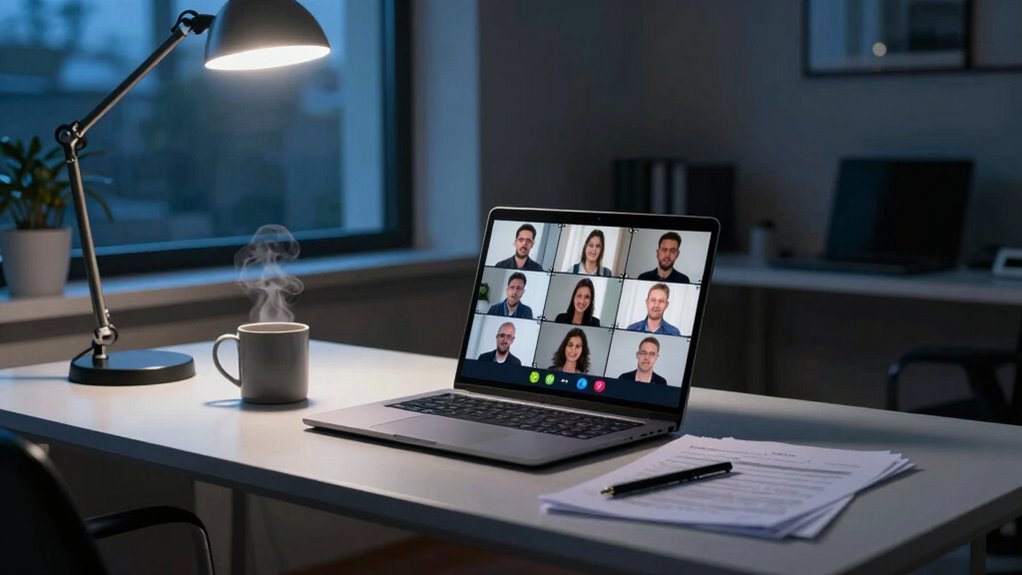

Many teams overlook how crucial proper lighting is for creating a professional and engaging video presence. They often assume that a decent camera or background will be enough, but poor lighting can cause shadows, glare, and unclear visuals that harm credibility. Good lighting shapes audience perception, making you look polished and confident. If you want to see how small changes can boost your video quality, there’s more to uncover below.

Get business pricing on office and shipping supplies
- Business-only prices and quantity discounts
- Tax-exempt purchasing
- Multiple users, one account, clear invoices
Key Takeaways
- Teams often focus on content and audio, overlooking the visual impact of proper lighting setup.
- Lack of awareness about lighting’s role in professionalism leads to undervaluing its importance.
- Natural light variability causes teams to underestimate the need for consistent, dedicated lighting.
- Limited knowledge of lighting techniques results in dismissing its influence on video quality.
- Cost and complexity concerns may lead teams to prioritize other equipment over lighting investments.
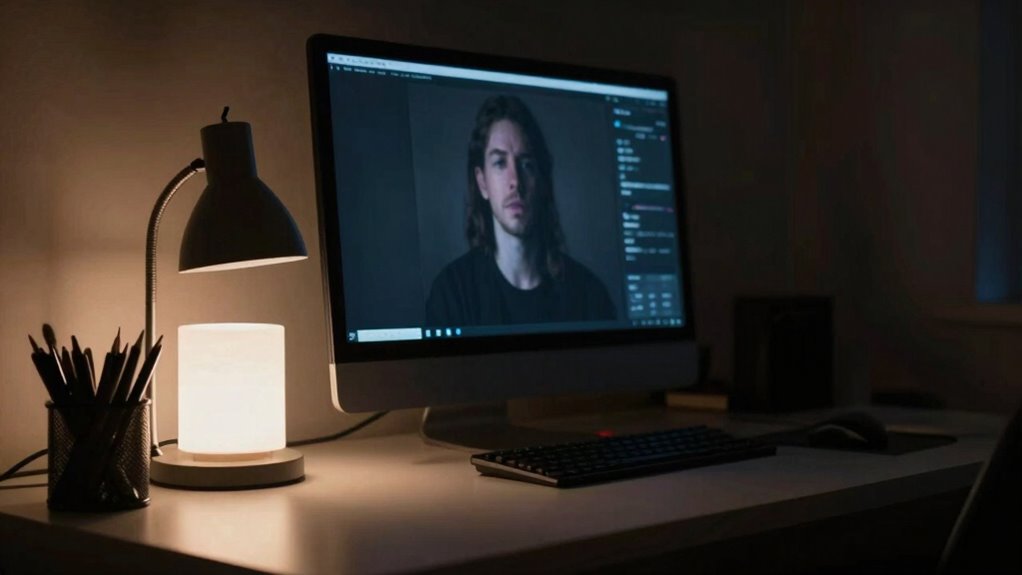
As more teams shift to video-first work, many underestimate how vital proper lighting is for clear communication and professionalism. Good lighting isn’t just about visibility; it shapes how your audience perceives you and your message. When you neglect it, even the clearest voice or sharpest ideas can get lost or misinterpreted. The right lighting equipment can make a significant difference, helping you appear more polished and confident. It’s a common mistake to think that natural illumination alone will do the job, but relying solely on daylight can be unpredictable and inconsistent. Overcast skies, time of day, or window placement can all impact how well you’re lit, leaving you either too shadowed or overly bright at different moments. That’s why investing in proper lighting equipment becomes essential, especially for those working in less-than-ideal environments or with limited access to natural light.
Many people overlook the importance of controlled lighting because they assume that natural illumination is enough, but it rarely is. Natural light can be beautiful, but it’s also fickle. Clouds roll in, the sun shifts behind clouds, or the time of day changes, which means your lighting can vary from one call to the next. This inconsistency can distract viewers or make you look unprofessional. By using dedicated lighting equipment, you can create a steady and flattering light source that remains consistent regardless of outside conditions. Soft, diffused lights eliminate harsh shadows and minimize unflattering angles, making your face look more even and approachable on camera. Proper lighting also helps reduce eye strain for viewers and prevents the glare or reflections that can distract from your message. Additionally, understanding lighting positioning is crucial for achieving the best visual results. Proper lighting placement ensures that your face is evenly lit and that shadows enhance rather than detract from your expressions. Using lighting techniques such as three-point lighting can further enhance your appearance and overall video quality. Furthermore, understanding lighting principles can help you adapt your setup to different environments for optimal results.
Investing in lighting equipment is also beneficial because it allows you to customize your setup to suit different environments and lighting needs, rather than relying on imperfect natural light. You might think that a simple desk lamp or a ring light is enough, but true professionalism calls for a more strategic approach. Positioning and intensity matter just as much as the type of light used. You want your light source to be at a 45-degree angle to your face, avoiding direct glare and shadows that can obscure your expressions. When you invest in good lighting equipment, you’re not just improving your appearance—you’re enhancing your communication. Clear, well-lit video fosters better engagement, builds trust, and reinforces your credibility. Don’t underestimate the power of proper lighting in your video calls. It’s a small investment that yields big results, transforming average setups into professional-quality presentations. Natural illumination is a helpful start, but supplementing it with reliable lighting equipment guarantees consistent, polished visuals that elevate your entire video-first work experience.
As an affiliate, we earn on qualifying purchases.
Frequently Asked Questions
How Does Lighting Impact Team Communication Effectiveness?
Lighting directly impacts your team’s communication by affecting visual clarity and overall engagement. Proper ambient illumination guarantees everyone’s face is well-lit, making facial expressions and gestures more visible. When lighting is poor, it creates shadows or glare, causing misunderstandings or distractions. You’ll find that good lighting fosters better connection, helps colleagues interpret cues accurately, and keeps the conversation smooth and effective, especially in a video-first work environment.
What Are Common Lighting Mistakes During Remote Meetings?
You often make mistakes like relying solely on artificial lighting, which can create harsh shadows or wash out your face. Ignoring natural light from windows can cause poor visibility, and you might not consider background contrast, making you blend into your surroundings. To improve, position yourself near natural light sources, avoid bright backgrounds that distract, and make certain of even lighting on your face for clearer communication during remote meetings.
How Can Teams Quickly Improve Their Video Lighting Setups?
Think of your lighting like a painter’s palette—bright, balanced, and inviting. To quickly improve, position yourself near natural illumination, such as a window, ensuring soft, even light on your face. Adjust your color temperature to match daylight or indoor lighting, avoiding harsh shadows or overly warm hues. Simple tweaks like these transform your video, making you look vibrant and professional, like a portrait brought to life.
Does Lighting Quality Influence Team Member Engagement?
Lighting quality greatly influences team member engagement because it taps into lighting psychology, affecting mood and focus. Good environmental illumination makes participants feel more comfortable and alert, encouraging active participation. When your lighting is well-balanced, it minimizes distractions and enhances visibility, which helps everyone stay connected and engaged. Poor lighting, on the other hand, can cause fatigue and disinterest, undermining the effectiveness of your video interactions.
Are There Affordable Tools to Enhance Video Lighting?
Looking for affordable ways to improve your video lighting? You can definitely find budget lighting options like ring lights or LED panels that won’t break the bank. Why not try DIY solutions, such as using desk lamps with adjustable brightness or homemade diffusers? These simple, cost-effective tools can dramatically enhance your video quality, making your meetings more engaging and professional without needing expensive equipment.
soft diffused ring light for video
As an affiliate, we earn on qualifying purchases.
As an affiliate, we earn on qualifying purchases.
Conclusion
Don’t overlook lighting in your video-first work—it’s essential for clear, professional visuals. Studies show that poor lighting can reduce viewer engagement by up to 50%. You might think your camera or editing skills can compensate, but good lighting sets the foundation for quality content. By prioritizing lighting, you’ll boost your audience’s trust and understanding. Remember, when it comes to video, lighting isn’t just an afterthought—it’s a game-changer for your success.
three-point lighting kit for webcams
As an affiliate, we earn on qualifying purchases.
As an affiliate, we earn on qualifying purchases.
As an affiliate, we earn on qualifying purchases.
Halloween Picks
halloween
As an affiliate, we earn on qualifying purchases.