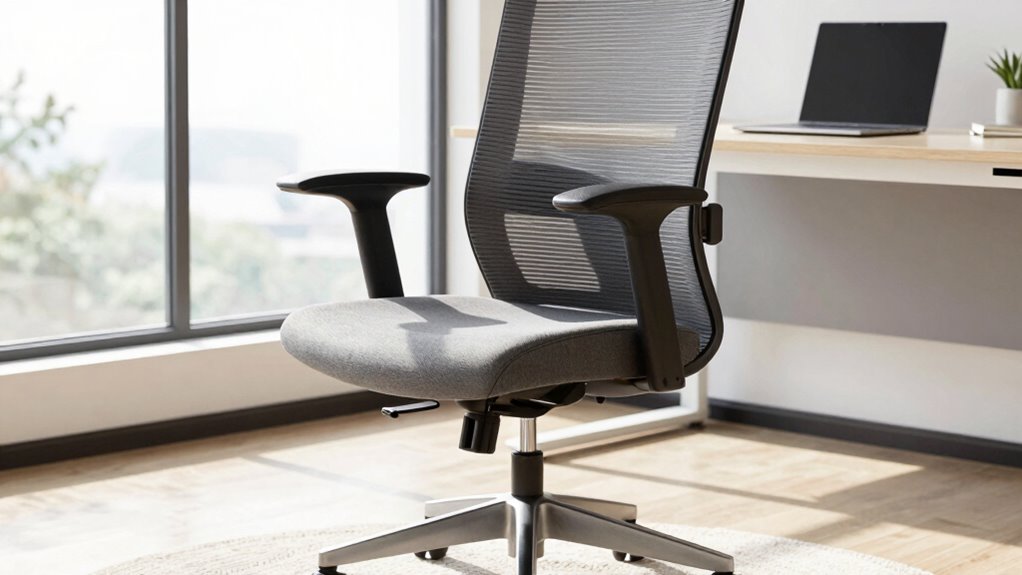

To choose the right office chair for long hours, look for adjustable features like height, lumbar support, and armrests to maintain proper posture and reduce strain. Opt for durable materials such as breathable mesh or high-quality leather that resist wear and tear. Stability and smooth mobility are essential, so select a chair with sturdy casters and a strong frame. Focusing on ergonomic support helps prevent discomfort over time—keep exploring to discover even more tips.

Get business pricing on office and shipping supplies
- Business-only prices and quantity discounts
- Tax-exempt purchasing
- Multiple users, one account, clear invoices
Key Takeaways
- Prioritize adjustable features like height, lumbar support, and armrests to customize comfort for prolonged sitting.
- Choose durable, breathable materials such as mesh or high-quality leather for long-term use and airflow.
- Ensure the chair has smooth-rolling casters and a stable base for easy mobility and safety during extended periods.
- Look for ergonomic designs that promote correct posture and provide adequate back and neck support.
- Select a chair with tilt, lock, and movement features to encourage movement and reduce spinal pressure over long hours.
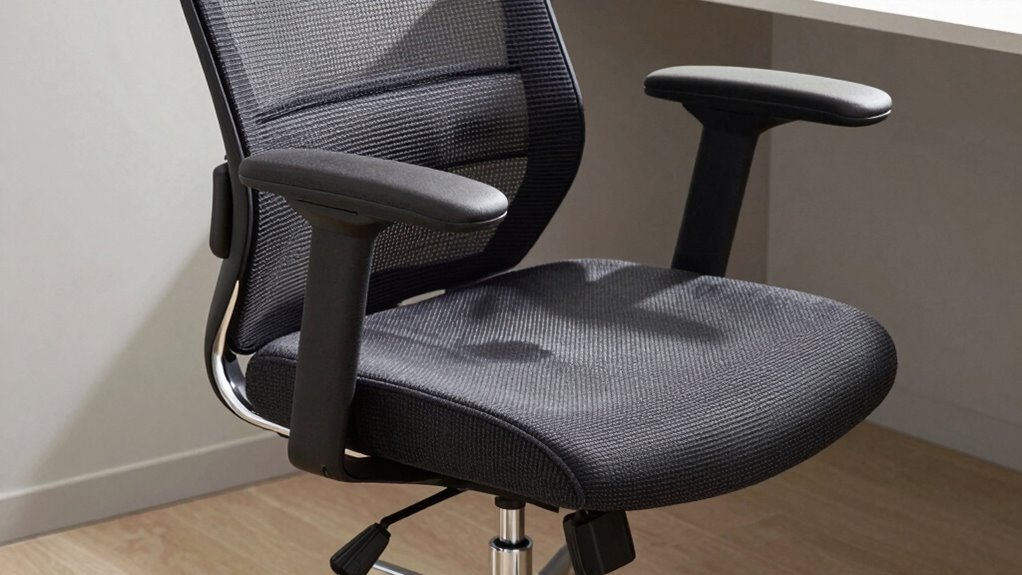
When selecting an office chair, understanding the key features that support comfort and productivity is essential. For long-hour roles, you need a chair that adapts to your body and withstands daily use. Ergonomic adjustments are critical because they allow you to customize your seating position, reducing strain and preventing discomfort over extended periods. Look for chairs with adjustable height, so your feet rest flat on the floor, and your knees stay at a right angle. Lumbar support is equally important; an ergonomic chair should have adjustable lumbar support to maintain the natural curve of your lower back, helping to prevent back pain. Armrests should be adjustable as well, enabling your arms to rest comfortably without shoulder tension. The ability to tilt and lock the chair’s backrest is another valuable feature, as it encourages movement and relieves pressure on your spine during prolonged sitting. Additionally, choosing a chair with ergonomic features tailored for long-term comfort can significantly enhance your work experience. Material durability plays a significant role in ensuring your office chair remains functional and supportive over time. You need a chair made from high-quality materials that can handle daily wear and tear without losing its shape or comfort. The seat and backrest should feature breathable fabric or mesh, which promotes airflow and keeps you cooler during long work sessions. If you prefer leather or faux leather, make sure it’s of sturdy construction, resistant to cracking and peeling. The frame and base should be constructed from durable materials like heavy-duty plastic or metal, providing stability and safety. Casters should be smooth-rolling and capable of supporting your weight without wobbling or sticking, especially if you move around frequently. In choosing the right office chair, don’t overlook the importance of a sturdy, adjustable mechanism that allows fluid movement. This ensures you can change your position easily, promoting circulation and reducing fatigue. Proper posture support is essential for maintaining comfort and preventing musculoskeletal issues over time. Investing in a well-designed, adjustable, and durable chair pays off by boosting your comfort, productivity, and overall well-being during those long work hours. Considering material choices and their impact on comfort and longevity can help you make a more informed decision. Being aware of the adjustability features available can further help you tailor your chair to your specific needs. Keep these features in mind, and you’ll find a chair that supports you now and for years to come.
ergonomic office chair with adjustable lumbar support
As an affiliate, we earn on qualifying purchases.
As an affiliate, we earn on qualifying purchases.
Frequently Asked Questions
How Often Should I Replace My Office Chair for Ergonomic Benefits?
You should replace your office chair every 5 to 8 years for ideal ergonomic benefits. Regular chair maintenance and ergonomic assessments help identify when your chair no longer provides proper support or comfort. If you notice persistent discomfort, sagging cushions, or mechanical issues, it’s time to contemplate a replacement. Staying proactive ensures your workspace remains healthy and reduces the risk of strain or injury during long hours.
Are There Specific Materials Best for Long-Hour Comfort?
For long-hour comfort, opt for office chair materials that balance durability and breathability. Look for high-quality fabrics like mesh, which offer excellent breathability to keep you cool and comfortable. Leather or synthetic options can be durable but may trap heat. Prioritize materials that resist wear and tear, ensuring your chair remains supportive and comfortable during extended periods. This way, you’ll stay focused and less fatigued throughout your workday.
Can Adjustable Features Improve Posture Over Extended Periods?
Think of adjustable features as your personal orchestra, harmonizing comfort and posture. Yes, they can improve your posture over long hours. Lumbar support cradles your lower back like a gentle hand, while armrest adjustability lets you set your arms at the perfect height, easing shoulder strain. Together, these features adapt to your body’s needs, transforming your workspace into a sanctuary that nurtures your well-being with every sitting moment.
What Is the Ideal Weight Capacity for a Durable Office Chair?
The ideal weight capacity for a durable office chair usually ranges from 250 to 400 pounds, depending on your needs. Look for chairs that have undergone durability testing to verify they can withstand regular use over time. Choosing a chair with a higher weight capacity than you require offers added durability and safety, helping you avoid early wear and tear. Always check the manufacturer’s specifications to ensure it meets your comfort and durability standards.
How Do I Determine the Right Seat Height for My Desk?
To determine the right seat height, start with seat adjustment features that allow you to set your feet flat on the floor and your knees at a 90-degree angle. Make certain the chair’s height is compatible with your desk, so your elbows rest comfortably at work. Test the adjustment to find a position that supports good posture throughout long hours, reducing strain and increasing comfort.
mesh office chair with adjustable armrests
As an affiliate, we earn on qualifying purchases.
As an affiliate, we earn on qualifying purchases.
Conclusion
Choosing the right office chair can make all the difference during long hours at your desk. Prioritize adjustable features like lumbar support, seat height, and armrests to customize comfort. Did you know that poor ergonomics can increase your risk of musculoskeletal problems by up to 50%? Investing in a quality chair isn’t just about comfort—it’s about protecting your health and boosting productivity. Make smart choices today, so you can stay comfortable and focused tomorrow.
high back executive leather office chair
As an affiliate, we earn on qualifying purchases.
As an affiliate, we earn on qualifying purchases.
office chair with tilt lock and smooth casters
As an affiliate, we earn on qualifying purchases.
As an affiliate, we earn on qualifying purchases.
Fall Picks
fall essentials
As an affiliate, we earn on qualifying purchases.