
Owning your meeting rooms means more than just having furniture in place. When you take responsibility, you guarantee spaces stay organized, functional, and inviting for collaboration. Without clear ownership, rooms can become cluttered, neglected, or used as storage, diminishing their effectiveness. Taking charge can improve maintenance, technology, and comfort, transforming these spaces into strategic assets. If you want to understand how proper ownership makes a real difference, there’s more to explore below.
Key Takeaways
- Ownership ensures regular maintenance, cleanliness, and organization, preventing rooms from becoming cluttered or underutilized.
- Clear responsibility fosters accountability, encouraging proactive management and continuous improvement of meeting spaces.
- Assigning oversight guarantees technology and ergonomic elements are properly maintained, enhancing meeting effectiveness.
- Ownership transforms rooms into collaborative hubs rather than neglected areas or storage spaces.
- It promotes ongoing engagement, ensuring meeting rooms remain functional, comfortable, and aligned with organizational needs.
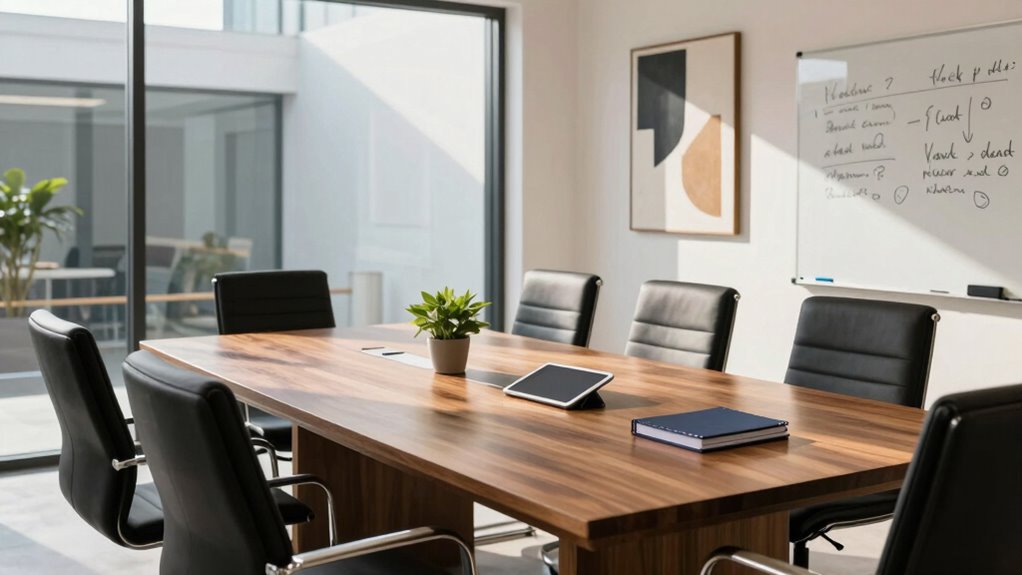
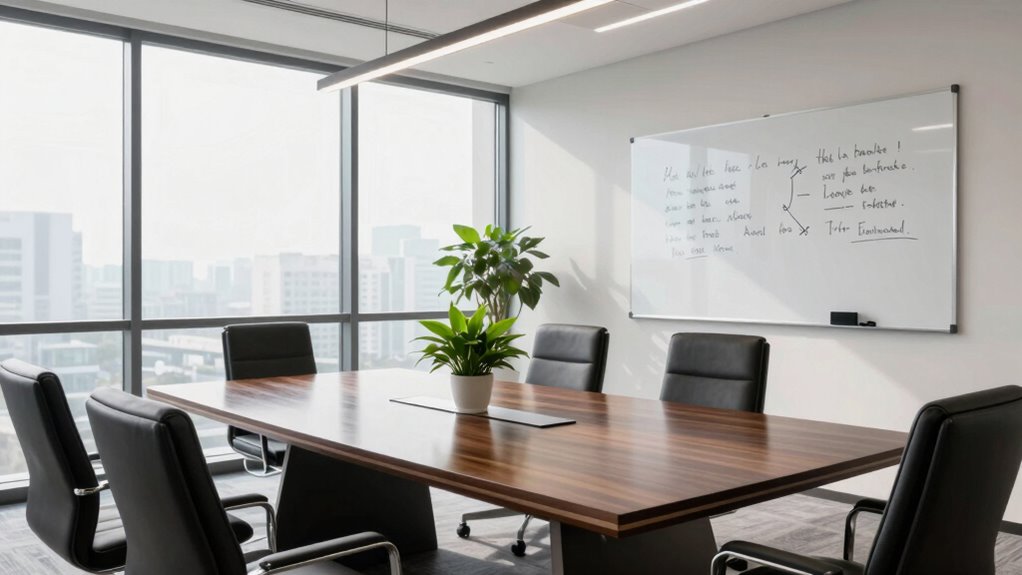
Meeting rooms often become cluttered, underutilized, or chaotic because nobody feels responsible for maintaining them. Without clear ownership, these spaces can quickly lose their purpose, turning into storage areas or spots for forgotten meetings. To truly maximize their potential, you need more than just furniture—you need a sense of ownership that ensures they are well-kept, functional, and inviting. This starts with understanding that effective meeting rooms incorporate thoughtful technology integration and ergonomic design, both of which depend on someone actively managing and maintaining these elements.
Clear ownership transforms meeting rooms from chaos to collaboration hubs through maintenance, technology, and ergonomic care.
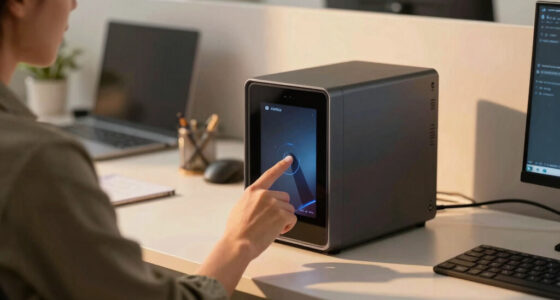
When you assign ownership, you empower someone to oversee technology integration. This means ensuring that all systems—projectors, video conferencing tools, microphones—are up-to-date, functioning correctly, and easy to use. Without a designated person, technical issues often go unresolved, leading to frustration and wasted time. By taking responsibility, you can streamline the setup process, troubleshoot problems swiftly, and keep the technology aligned with your team’s evolving needs. This proactive approach prevents frustration and helps meetings run smoothly, making the space more productive.
Ergonomic design also benefits greatly from ownership. When someone is responsible, they can make sure the furniture and layout promote comfort and health. For example, adjustable chairs, proper desk heights, and well-placed screens are essential for maintaining focus and reducing fatigue. Without designated oversight, these ergonomic elements can be neglected, leading to discomfort and decreased engagement during meetings. An owner can regularly assess the space, gather feedback, and implement adjustments to keep the environment comfortable for everyone. Additionally, understanding the importance of space management helps ensure that the room remains conducive to collaboration. Recognizing that technology management plays a crucial role helps emphasize the importance of dedicated oversight. Additionally, establishing clear roles and responsibilities can help ensure accountability and ongoing improvement.
Ultimately, a meeting room with clear ownership transcends furniture. It becomes a well-managed, technology-savvy, and ergonomically sound environment where teams can meet efficiently and comfortably. You hold the key to transforming a neglected space into a strategic asset—by taking responsibility for its upkeep, you create a setting that truly serves its purpose. When ownership is in place, the room is no longer just furniture; it’s a vital part of your organization’s success. Moreover, fostering a culture of ownership encourages ongoing engagement and continuous improvement, which are essential for sustaining an effective workspace.
As an affiliate, we earn on qualifying purchases.
Frequently Asked Questions
How Does Ownership Improve Meeting Room Productivity?
Ownership boosts meeting room productivity by fostering team engagement and ensuring the space meets your needs. When your team feels responsible for the room, they’re more likely to use it effectively and keep it organized. This sense of ownership encourages you to customize the space for different meetings, enhancing space flexibility. Ultimately, it creates a more efficient environment where everyone is motivated to collaborate and achieve goals more smoothly.
What Are the Costs Associated With Maintaining Ownership?
Ownership comes with costs that can feel like a double-edged sword. You must perform a thorough cost analysis, balancing expenses like maintenance responsibilities, repairs, and upgrades. These ongoing commitments can strain your budget and resources, demanding time and effort. While ownership fosters control and customization, it’s essential to weigh these costs carefully, ensuring you’re prepared for the long-term investment that keeps your meeting rooms functional and inviting.
How Can Ownership Be Delegated Effectively?
You can delegate ownership effectively by implementing clear delegation strategies that specify roles and expectations. Use responsibility transfer techniques, like assigning specific tasks or decision-making authority, to empower team members. Regularly communicate and provide feedback to guarantee accountability. By doing so, you foster ownership, reduce confusion, and maintain a well-managed meeting space, making sure everyone understands their role in keeping the room functional and inviting.
What Technologies Support Meeting Room Management?
Think of meeting room management technologies as the command center of your workspace. Virtual scheduling tools let you book and organize rooms effortlessly, like a conductor guiding an orchestra. Real-time analytics provide instant insights into room usage, helping you optimize space. These technologies keep everything running smoothly, ensuring your meeting rooms are well-managed with minimal effort, just like a well-conducted symphony that keeps everyone in harmony.
How Does Ownership Impact Room Customization Options?
Ownership gives you greater control over your meeting room, allowing you to customize it to fit your needs. With user control, you can implement personalization options like preferred layouts, tech settings, or branding. This flexibility guarantees the space aligns with your team’s workflow and style, boosting productivity and comfort. Without ownership, you’re limited to generic setups, missing out on the tailored environment that truly enhances your meetings.
video conferencing equipment for meeting rooms
As an affiliate, we earn on qualifying purchases.
As an affiliate, we earn on qualifying purchases.
Conclusion
Without true ownership, your meeting rooms are basically just fancy furniture with no soul—stuck in a perpetual state of chaos and confusion. When you take charge, these spaces transform into powerhouse hubs where ideas ignite and teamwork skyrockets. Don’t settle for mere furniture; claim your meeting rooms as your own, and watch productivity explode like a rocket fueled by passion and purpose. Ownership isn’t just a choice—it’s the secret weapon to elevate every meeting to legendary status!
meeting room organization supplies
As an affiliate, we earn on qualifying purchases.
As an affiliate, we earn on qualifying purchases.
adjustable height desks for conference rooms
As an affiliate, we earn on qualifying purchases.
As an affiliate, we earn on qualifying purchases.