📊 Full opportunity report: HR Benefits Of Digital Musculoskeletal Strength Testing For Remote Teams on IdeaNavigator AI — validation score, market gap, and execution plan.

Get business pricing on office and shipping supplies
- Business-only prices and quantity discounts
- Tax-exempt purchasing
- Multiple users, one account, clear invoices
TL;DR
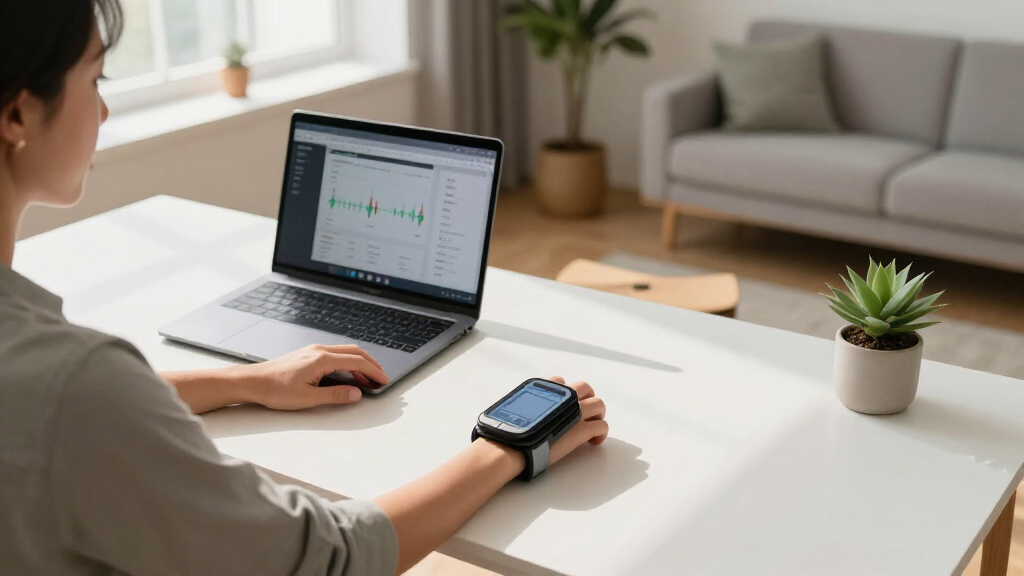
Digital musculoskeletal strength testing is emerging as a tool for HR to proactively address MSK issues in remote workers. Early pilots show promise for improving employee health and reducing medical costs. The approach is gaining interest among benefits leaders and vendors.
Remote work strength assessments using smartphone cameras are being piloted by employers and benefits providers as a proactive way to identify early musculoskeletal (MSK) health risks among distributed employees. This development aims to address rising MSK-related medical claims and workday losses associated with sedentary remote work, offering a new, scalable screening method that can feed into clinical care pathways.
Recent advances in smartphone camera technology and pose estimation algorithms now enable guided self-assessments of strength, mobility, and posture at home, without specialized sensors or clinical supervision. These assessments typically take around 10 minutes and include tests like sit-to-stand repetitions, shoulder and hip range-of-motion evaluations, and posture photographs. The data generated produces a personalized MSK risk score, along with tailored corrective routines and progress tracking over time.
Several pilot programs are underway, involving 2-3 employers testing the feasibility, engagement, and validity of these assessments over 60-90 days. Early indicators suggest high completion rates and employee willingness to participate, with some programs measuring the correlation between camera-derived risk scores and traditional self-report questionnaires scored by physical therapists. Employers see this as a way to shift from reactive MSK treatment to preventive care, potentially reducing costly medical claims and work absences.
Potential Impact on Employee Health and Employer Costs
This new approach could transform how companies manage employee MSK health, especially in remote settings. By identifying early signs of mobility decline or poor posture, employers can intervene before employees experience pain or injury, leading to fewer medical claims and reduced absenteeism. Additionally, the scalable, digital nature of the assessments makes them suitable for large, distributed workforces, aligning with the growing trend of hybrid and remote work arrangements.
Furthermore, the integration of these assessments into existing benefits programs could enhance employee engagement with wellness initiatives, providing personalized insights and routines that encourage proactive health management. For benefits brokers and consultants, this represents an opportunity to expand digital offerings and create more targeted, data-driven wellness strategies.
digital musculoskeletal strength testing device
As an affiliate, we earn on qualifying purchases.
As an affiliate, we earn on qualifying purchases.
Rise of Remote Work and MSK Challenges
The shift to remote and hybrid work has significantly altered employee movement patterns. Without daily commutes and ergonomic office setups, many workers experience increased sedentary behavior, leading to a surge in neck, back, and posture-related MSK issues. These problems have become a top driver of employer medical costs, with many companies reporting rising claims related to musculoskeletal conditions.
Traditional MSK programs tend to be reactive, addressing pain only after it occurs. Now, with the maturation of smartphone-based pose estimation and motion capture technology, there is an emerging opportunity to implement early screening tools that can be deployed at scale to remote employees. This shift aligns with broader trends toward preventative health and personalized wellness, driven by digital health innovations.
remote employee posture assessment tool
As an affiliate, we earn on qualifying purchases.
As an affiliate, we earn on qualifying purchases.
Uncertainties Around Effectiveness and Adoption
It is still unclear how accurately camera-based assessments will correlate with clinical evaluations of MSK health across diverse populations. Validation studies are ongoing, and long-term data on health outcomes and cost savings are not yet available. Additionally, questions remain about employee engagement levels, privacy concerns, and integration with existing health benefit systems.
As an affiliate, we earn on qualifying purchases.
Next Steps for Validation and Scaling
Pilot programs are expected to continue over the coming months, with initial results guiding further development. Success metrics include high assessment completion and retention rates, positive correlation with clinical scores, and employer willingness to adopt paid pilots at scale. If validation proves strong, broader deployment and integration into employee benefits platforms could follow within the next year.
employee wellness mobility assessment
As an affiliate, we earn on qualifying purchases.
As an affiliate, we earn on qualifying purchases.
Key Questions
How accurate are smartphone camera-based MSK assessments?
Preliminary studies suggest they can reliably identify risk factors, but full validation against clinical standards is still underway. Early results are promising, but more data is needed to confirm accuracy across diverse employee populations.
What privacy measures are involved in remote assessments?
Assessments are designed to be privacy-safe, with data processed locally on devices and aggregated anonymized data shown on employer dashboards. Specific privacy protocols will depend on vendor implementations and regulations.
Will employees be required to participate in these assessments?
Participation is voluntary, but employers may encourage engagement as part of wellness initiatives. Success depends on employee buy-in and perceived value of personalized health insights.
Can these assessments replace traditional MSK evaluations?
Not entirely; they are intended as early screening tools to identify at-risk employees who may need further clinical assessment. They complement, rather than replace, professional evaluations.
When might widespread adoption occur?
If pilot programs validate the approach, broader adoption could happen within 12-18 months, especially as digital health standards and employer interest grow.
Source: IdeaNavigator AI
Halloween Picks
halloween
As an affiliate, we earn on qualifying purchases.