📊 Full opportunity report: Acoustic Dampening, Placement, and the “Rig in the Closet” Setup on ThorstenMeyerAI.com — validation score, market gap, and execution plan.
TL;DR
This article explains how moving AI workstations out of the workspace and using proper placement and ventilation can significantly reduce noise. The ‘rig in the closet’ setup is effective but requires careful thermal management. These techniques are often more impactful than acoustic foam alone.
Putting high-power AI workstations in another room or enclosed space, with proper ventilation, is the most effective way to reduce noise and heat, according to recent expert guidance.
The primary method to minimize noise from AI rigs is to move the equipment away from the workspace, ideally into a separate room or closet, and operate it headless via network. This approach eliminates the need for extensive acoustic treatment since the noise source is physically distant. For those who prefer local placement, the ‘rig in the closet’ setup is popular but requires careful ventilation to prevent overheating. Sealing a closet or cabinet without proper airflow can trap heat, leading to thermal throttling and increased fan noise. For more details, see Acoustic Dampening, Placement, and the “Rig in the Closet” Setup. Solutions include passive vents, exhaust fans, or purpose-built soundproof cabinets with integrated cooling systems. Acoustic foam and vibration isolation are less effective than spatial separation and proper airflow management, especially for airborne and structure-borne noise. The key is to balance noise reduction with thermal dissipation to maintain system performance.Acoustic dampening
& the rig in the closet.
The most powerful noise fix isn’t a material — it’s a floor plan. A rig you can’t hear because it’s in another room beats any amount of foam. Tap the approaches in Part 1 to see what actually works.
(another room)
(levers 1–4)
(door / barrier)
(acoustic foam)
Contain the noise, not the heat
Why Placement and Ventilation Are Critical for Quiet AI Setups
Effective placement and ventilation strategies can dramatically reduce noise and heat, improving workspace comfort and system longevity. Moving the rig out of the immediate workspace is often the most straightforward and cost-effective solution, especially as many AI workflows are network-based. Proper thermal management in enclosed spaces like closets or cabinets ensures that noise mitigation does not come at the expense of hardware health, making these techniques vital for continuous operation and user comfort.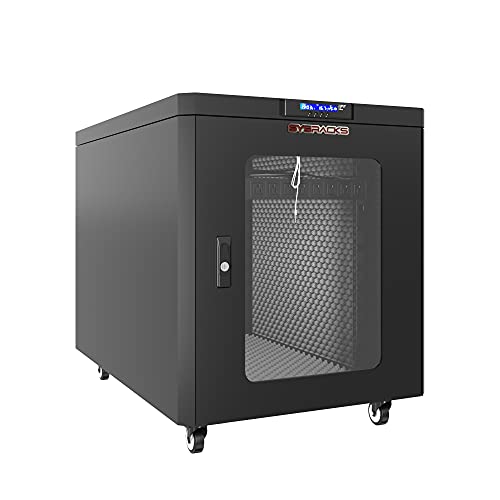
Sysracks Soundproof Server Rack Quiet - Acoustic Sound Proof Cabinet for Servers - Up to 36% Noise Reduction - Locking Server Enclosure - Silent Networking Cabinet - Noise Sound Dampening Box (15U)
- Size: 15U Soundproof Cabinet (26x35x36 inches)
- Air Control: LED screen with 2 fans for temperature and energy saving
- Adjustable Rails: U-Mark rails and shelf for versatile equipment installation
As an affiliate, we earn on qualifying purchases.
As an affiliate, we earn on qualifying purchases.
Placement Strategies for Noise Reduction in AI Workstations
Traditionally, users rely on acoustic foam and vibration dampers to reduce noise. However, experts emphasize that the most effective method is spatial separation—placing the rig in another room or closet. This approach aligns with the hierarchy of noise mitigation, prioritizing distance over absorption. The 'rig in the closet' method is increasingly popular among AI practitioners, especially since many workflows do not require the user to be physically near the machine. The challenge lies in managing heat in enclosed spaces, which can be addressed with ventilation solutions such as passive vents, exhaust fans, or specialized soundproof cabinets. Proper airflow is essential to prevent overheating and maintain performance, making thermal management a critical component of this setup."The most effective noise reduction isn't acoustic foam—it's moving the rig into another room. Distance matters more than absorption."
— Thorsten Meyer

Kisangel Thick Sponge Soundproof Enclosure Box, Black Sound Deadening Noise Reduction Barrier Generator Cover for Home Commercial Industrial Filter Shield, 11" X 9.8"
- Durable Weather-Resistant Material: Resists moisture, dirt, and temperature changes
- Vibration Isolation for Pumps: Reduces mechanical vibrations to protect equipment
- Compact Space-Saving Design: Fits in tight spaces without compromising soundproofing
As an affiliate, we earn on qualifying purchases.
As an affiliate, we earn on qualifying purchases.
Uncertainties in Enclosed Space Thermal Management
While the general principles are clear, the optimal cooling solutions for specific setups vary depending on space size, hardware load, and noise requirements. The effectiveness of passive versus active ventilation methods and the cost-benefit of purpose-built soundproof cabinets are still being evaluated by users and experts.
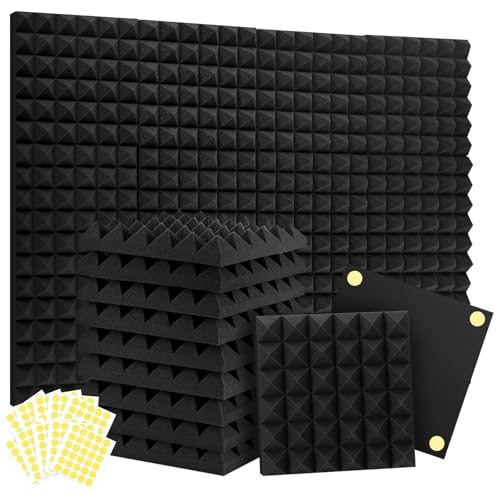
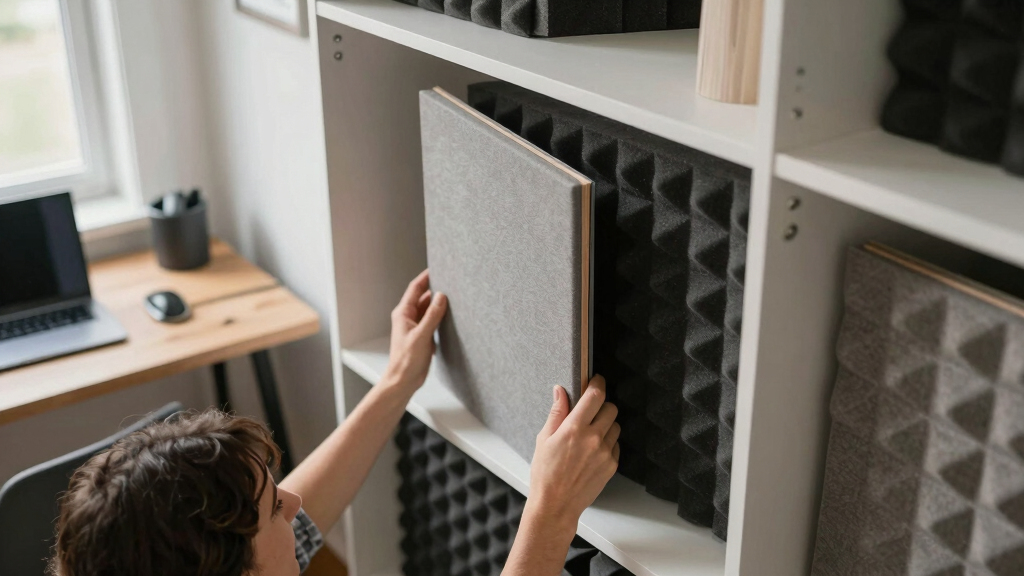
Focusound Acoustic Panels 24 Pack 2"x12"x12" with 120 PCS Double-Side Adhesive - Sound Proof Pyramid Foam for Walls, Home Studio Noise Absorption & Echo Control Kit
- Stress-Free Installation: No holes or residue, reusable adhesive squares
- Deep Sound Absorption: Pyramid grooves absorb 30% deeper sound waves
- Effective Echo Control: Reduces voice echoes and reverb
As an affiliate, we earn on qualifying purchases.
As an affiliate, we earn on qualifying purchases.
Next Steps for Optimizing Quiet AI Workstations
Users should assess their workspace layout and consider moving their AI rigs into separate rooms or closets with proper ventilation. Experimenting with different airflow solutions and possibly investing in soundproof cabinets can improve noise and thermal management. Ongoing developments in quiet cooling technology and acoustic design will further enhance these setups.

Rack Roof Fan Kit, Dual Cooling-Fans with Speed Controller
- Quiet fan kit for 19” racks: Designed for standard 19-inch racks
- PWM speed controller: Adjusts fan speed without noise
- Compatible with CLOUDPLATE series: Links with other rack fans for synchronized control
As an affiliate, we earn on qualifying purchases.
As an affiliate, we earn on qualifying purchases.
Key Questions
Is putting my AI rig in a closet enough to make it silent?
Not necessarily. While moving the rig into a closet significantly reduces noise, proper ventilation is crucial to prevent overheating. Without airflow, the system can throttle or sustain damage.
What are the best ventilation options for an enclosed AI workstation?
Passive vents, quiet exhaust fans, or purpose-built soundproof cabinets with integrated cooling are effective options. The choice depends on space constraints and noise tolerance.
Can acoustic foam alone reduce the noise of a high-power AI rig?
No. Acoustic foam absorbs reflections within a room but does not block airborne or structure-borne noise. Spatial separation and proper airflow are more effective for noise reduction.
How much does thermal management impact noise levels in enclosed setups?
Thermal management is critical. Poor ventilation causes heat buildup, leading to increased fan speeds and noise. Proper airflow maintains performance and reduces noise.
Source: ThorstenMeyerAI.com