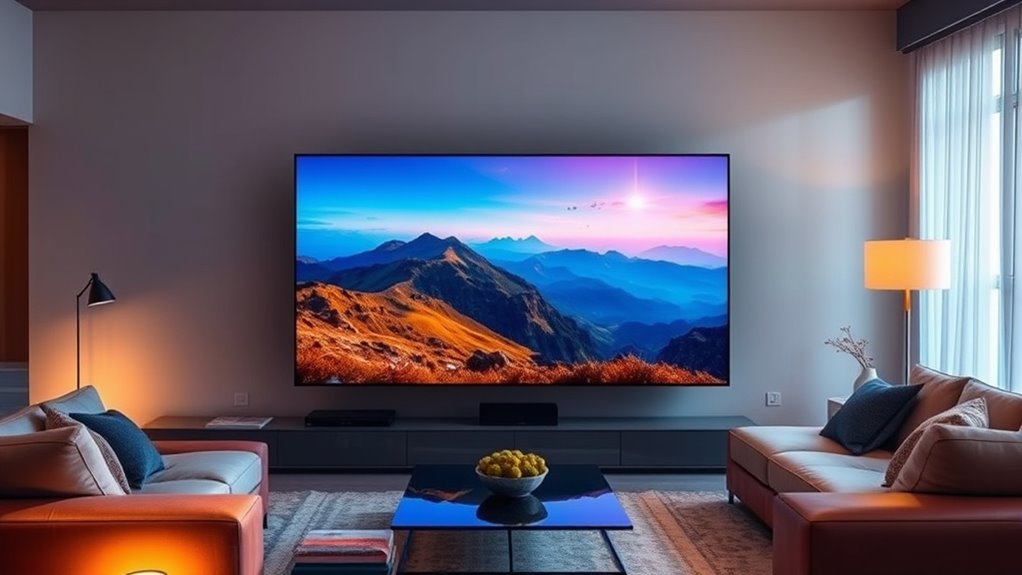

Black Friday is the prime window for securing OLED TV deals, but with so many 2025 and 2026 models hitting shelves, choosing the right one requires careful comparison. The LG 55-Inch OLED evo AI 4K C6 Series stands out as the best overall pick for its balance of gaming performance, brightness, and price. For those prioritizing a wall-mounted look without a stand gap, the LG 65-Inch OLED evo G5 offers a premium gallery design, while the Roku 55-Inch Pro Series provides an entry into OLED at a more accessible price point. The main tradeoff in this category often comes down to brightness versus price and specific ecosystem preferences like webOS versus Tizen. Continue reading to see how these eleven models stack up against each other to help you decide which deal fits your living room setup and budget.

Get business pricing on office and shipping supplies
- Business-only prices and quantity discounts
- Tax-exempt purchasing
- Multiple users, one account, clear invoices
Key Takeaways
- The LG C6 Series remains the benchmark for gamers due to its 165Hz refresh rate and low input lag, making it the most versatile choice for mixed media and gaming.
- Samsung’s S90H offers superior brightness and anti-glare capabilities, making it a better fit for bright living rooms compared to the darker LG models.
- The Roku Pro Series is the only budget-friendly OLED option, though it lacks the advanced processor power and brightness of premium LG and Samsung counterparts.
- Sony’s A90K and BRAVIA 6 models excel in color accuracy and motion handling, appealing to cinephiles who prioritize natural image processing over raw specs.
- Size significantly impacts value; the 77-inch Samsung S84F offers the best price-per-inch ratio among premium large-screen OLEDs this year.


| oled tv deals black friday | Smart platform | Refresh rate | Resolution | Screen size |
|---|---|---|---|---|
| Samsung 65-Inch S90H Series OL | Tizen | 120Hz native; up to 165Hz for PC gaming | — | 65 inches |
| LG 55-Inch OLED evo AI 4K C6 S | webOS with Google Gemini integration | 120Hz native; up to 165Hz | — | 55 inches |
| Samsung 65-Inch OLED S90F 4K S | — | 144Hz | — | 65 inches |
| LG 65-Inch OLED AI 4K B6 Serie | — | 120Hz | — | 65 inches |
| LG 65-Inch Class OLED evo G5 S | webOS 25 | — | 4K | 65 inches |
| LG 55-Inch OLED evo AI 4K C6 S | webOS 26 | — | 4K | — |
| LG 48-Inch OLED evo AI 4K C6 S | webOS | — | 4K | — |
| Roku 55-Inch Pro Series Smart | Roku TV | 120Hz | 4K | — |
| Sony 48-Inch A90K BRAVIA XR 4K | Google TV with Google Assistant | — | 4K | — |
| Sony BRAVIA 6 65-Inch OLED 4K | Google TV with Gemini | 120Hz | 4K | — |
| Samsung 77-Inch Class OLED S84 | Samsung TV Plus | 120Hz | 4K UHD | 77 inches |
More Details on Our Top Picks
Samsung 65-Inch S90H Series OLED 4K Smart TV (2026)
For a Black Friday OLED shortlist, I’d put the Samsung S90H first for buyers who want a large screen that can handle both bright rooms and high-refresh-rate gaming. Its stated up to 2000-nit brightness and glare-free panel target a weakness many OLEDs face in sunlit spaces, while the 165Hz PC gaming mode and G-SYNC and FreeSync Premium Pro support suit demanding gaming setups. The NQ4 AI Gen3 processor also upscales lower-resolution video, which can make older streams look sharper on a 4K screen. Compared with the older Samsung S90F, this model offers a higher stated PC refresh ceiling and greater brightness. The tradeoffs are its 45-pound weight and 141-watt power draw; buyers who prioritize Dolby Vision should also look at the LG C6, which supports that format while the Samsung lists HDR10+.
Pros:- Glare-free OLED design and stated brightness up to 2000 nits are suited to brighter viewing spaces.
- 165Hz PC gaming support with NVIDIA G-SYNC and AMD FreeSync Premium Pro.
- NQ4 AI Gen3 processing upscales lower-resolution content toward 4K.
- Built-in 2.1-channel, 40-watt speakers support Dolby Atmos.
Cons:- The 45-pound weight with stand can make lifting and wall mounting harder.
- Its listed 141-watt power consumption is a meaningful consideration for frequent, long viewing sessions.
- HDR support is listed as HDR10+, rather than Dolby Vision.
Best for: Gamers and sports viewers who want a 65-inch OLED in a bright room and have a PC capable of using refresh rates above 120Hz.
Not ideal for: Buyers who want Dolby Vision, need a lightweight TV for frequent moves, or mainly watch in a dim room where the brightness advantage matters less.
- Screen size:65 inches
- Display and resolution:OLED, 4K
- Refresh rate:120Hz native; up to 165Hz for PC gaming
- Maximum brightness:Up to 2000 nits
- HDR format:HDR10+
- Processor:NQ4 AI Gen3
- Smart platform:Tizen
- Audio:2.1-channel, 40 watts; Dolby Atmos-enabled
- Weight with stand:45 lbs
Our verdict“Choose the S90H if bright-room visibility and high-refresh-rate gaming matter more than Dolby Vision support or a lighter installation.”
LG 55-Inch OLED evo AI 4K C6 Series Smart TV (2026)
The LG C6 is the strongest fit here for a buyer who wants advanced gaming and premium OLED features without committing to a 65-inch set. Its 55-inch OLED evo panel, 0.1ms response time and refresh rates up to 165Hz make fast games a natural match, while four HDMI 2.1 ports give a multi-device setup room to grow. Unlike the Samsung S90H and S90F, the C6 lists Dolby Vision, a useful format advantage for viewers with compatible films and streaming sources. Its Alpha 11 AI processor is also tasked with optimizing picture and sound, and webOS adds Gemini integration and LG Channels. The smaller screen is the main compromise against those Samsung models, and the listed smart-content options rely partly on internet access; automatic software updates may also bother viewers who prefer tighter control.
Pros:- OLED evo panel with Brightness Booster and self-lit pixels for strong contrast and color accuracy.
- Up to 165Hz refresh rate, 0.1ms response time, VRR, G-SYNC and FreeSync Premium.
- Four HDMI 2.1 ports accommodate several current gaming devices.
- Supports Dolby Vision and Dolby Atmos, with webOS and Google Gemini integration.
Cons:- Its 55-inch screen is smaller than the 65-inch Samsung S90H and LG B6 options.
- Some LG Channels and on-demand content features require internet access, and some content may require subscriptions.
- Automatic software updates may be intrusive for viewers who prefer to manage updates manually.
Best for: Console and PC gamers who want a 55-inch OLED with multiple HDMI 2.1 connections, high refresh support and Dolby Vision.
Not ideal for: Viewers who want a 65-inch screen for a large room, or buyers who prefer a smart TV experience that does not depend on internet access for its connected content.
- Screen size:55 inches
- Display and resolution:OLED evo with Brightness Booster; 4K Ultra HD
- Processor:Alpha 11 AI Processor Gen 3
- Refresh rate:120Hz native; up to 165Hz
- Response time:0.1ms
- HDMI ports:4 HDMI 2.1
- HDR and audio formats:Dolby Vision and Dolby Atmos
- Smart platform:webOS with Google Gemini integration
Our verdict“Pick the C6 if a 55-inch screen suits your room and you want high-refresh gaming plus Dolby Vision in one OLED.”
Samsung 65-Inch OLED S90F 4K Smart TV (2025) with NQ4 AI Gen3 Processor, Pro HDR+, Motion Xcelerator 144Hz, Alexa Built-in
The Samsung S90F gives buyers a 65-inch OLED with fast gaming features and AI upscaling, without making 165Hz the centerpiece. Its 144Hz refresh rate and VRR support fluid motion in compatible PC games, while the NQ4 AI Gen3 processor is described as using 128 neural networks to upscale content and enhance brightness and contrast. Built-in Alexa adds voice control without requiring a separate assistant device. Compared with the newer Samsung S90H, the S90F has a lower stated refresh ceiling and a higher listed power draw of 149 watts versus 141 watts, so the newer model is a more compelling fit for buyers seeking the latest gaming headroom. The S90F still makes sense for a buyer whose hardware tops out at 144Hz, but its near-50-pound weight and dependence on compatible PC hardware for its highest refresh rate deserve attention.
Pros:- 65-inch OLED screen with 4K resolution and HDR10+ support.
- 144Hz refresh rate and VRR support smooth motion with compatible gaming hardware.
- NQ4 AI Gen3 processor upscales content and enhances brightness and contrast.
- Built-in Alexa and 2.1-channel, 40-watt Dolby Atmos audio.
Cons:- Its 144Hz ceiling is below the S90H’s stated 165Hz PC gaming mode.
- The highest refresh rate depends on a compatible PC graphics card.
- Listed power consumption is 149 watts and listed weight is about 49.6 pounds.
Best for: 65-inch OLED shoppers with a gaming PC that supports up to 144Hz who want built-in Alexa and Samsung’s AI upscaling.
Not ideal for: Buyers seeking the highest listed refresh rate in this Samsung pair, lower power use than the S90H, or a lighter TV to mount.
- Screen size:65 inches
- Display and resolution:OLED; 4K (3840 x 2160)
- Refresh rate:144Hz
- HDR format:HDR10+
- Processor:NQ4 AI Gen3
- Motion and gaming:Motion Xcelerator 144Hz; VRR
- Audio:2.1-channel, 40 watts; Dolby Atmos
- Power consumption:149 watts
- Weight:49.6 lbs
Our verdict“Choose the S90F if 144Hz meets your gaming needs and you want a 65-inch Samsung OLED with Alexa built in.”
LG 65-Inch OLED AI 4K B6 Series Smart TV (2026)
For buyers focused on a big-screen OLED rather than extreme refresh rates, the LG B6 offers a more measured feature set than the Samsung S90H. Its 65-inch panel pairs self-lit pixels with Dolby Vision, making it a natural option for film and streaming libraries that use that format. The 120Hz refresh rate, 0.1ms response time, VRR, G-SYNC and FreeSync Premium still cover serious console gaming, even if it cannot match the S90H’s stated 165Hz PC mode. Four HDMI 2.1 ports add flexibility for multiple devices, while webOS includes Gemini assistance and Gallery Plus. The B6’s role is a balanced living-room screen, not the brightest or fastest pick in this group. OLED also calls for sensible viewing habits to reduce the chance of image retention over time.
Pros:- 65-inch OLED panel delivers self-lit pixels, deep blacks and vivid color.
- Dolby Vision support suits compatible films and streaming content.
- 120Hz, 0.1ms response time, VRR, G-SYNC and FreeSync Premium support gaming.
- Four HDMI 2.1 ports, webOS, Gemini assistance and Gallery Plus.
Cons:- Its 120Hz refresh rate is below the 165Hz PC mode offered by the Samsung S90H and LG C6.
- OLED panels can face image-retention or burn-in risk with prolonged static imagery.
- The listed HDR formats omit Dolby Vision’s rival HDR10+ format.
Best for: Movie-focused households who want a 65-inch OLED with Dolby Vision, plus enough gaming features for current consoles.
Not ideal for: PC gamers seeking refresh rates above 120Hz, or households that display the same static content for long periods and do not want to manage OLED image-retention risk.
- Screen size:65 inches
- Display and resolution:OLED; 4K (3840 x 2160)
- Refresh rate:120Hz
- Processor:a8 AI Processor 4K Gen3
- HDR formats:Dolby Vision, HDR10, HLG
- Gaming response time:0.1ms
- HDMI ports:4 HDMI 2.1
- Weight:38.1 lbs
- Audio:Dolby Atmos; optical audio
Our verdict“Choose the B6 if a 65-inch Dolby Vision OLED for movies and console gaming matters more than refresh rates above 120Hz.”
LG 65-Inch Class OLED evo G5 Series 4K Smart TV with AI Upscaling and Dolby Atmos
The LG G5 is the premium choice for buyers building a wall-mounted home theater around a bright OLED picture. Its Brightness Booster Max and self-lit pixels aim to retain vivid highlights while preserving OLED contrast, and Dolby Vision support suits compatible movie and streaming content. Compared with the LG B6, the G5 is positioned higher for brightness and upscale presentation, with an Alpha 11 AI Gen 2 processor and a wall-focused One Wall Design. Gaming support includes 120Hz, 0.1ms response time, VRR, G-SYNC and FreeSync Premium, so the added picture focus does not leave console players behind. The tradeoff is that the G5’s premium feature set may be unnecessary for a dim room or casual viewing, and setup can take more work. Its listed five-year warranty is a notable differentiator, but does not remove the need to check the specific coverage terms.
Pros:- Brightness Booster Max is designed to deliver brighter OLED images.
- Self-lit pixels and Dolby Vision support suit high-contrast film viewing.
- 120Hz gaming with 0.1ms response time, VRR, G-SYNC and FreeSync Premium.
- One Wall Design and a listed five-year warranty.
Cons:- Its premium positioning may not make sense for buyers seeking a straightforward OLED upgrade.
- Advanced picture and gaming features can require extra setup.
- Picture results depend on source quality, so low-quality video may not show the panel’s full potential.
Best for: Home-theater buyers planning a clean wall-mounted installation who want a brighter OLED, Dolby Vision and strong console gaming support.
Not ideal for: Budget-conscious buyers, people who plan to use a stand rather than the wall-focused design, or viewers whose typical content and room do not benefit from the premium brightness features.
- Screen size:65 inches
- Resolution:4K
- Processor:Alpha 11 AI Processor Gen 2
- Brightness technology:Brightness Booster Max
- HDR support:Dolby Vision, HDR10
- Gaming:120Hz, 0.1ms response time, VRR, NVIDIA G-SYNC and AMD FreeSync Premium
- Smart platform:webOS 25
- Design:One Wall Design
- Warranty:5 years
Our verdict“Pick the G5 if a wall-mounted, brighter 65-inch OLED is worth prioritizing over the B6’s more restrained feature set.”
LG 55-Inch OLED evo AI 4K C6 Series Smart TV (2026) with a11 AI Processor Gen3, Dolby Vision, Dolby Atmos, HDR10, 165Hz, AI Super Upscaling Bundle
For Black Friday shoppers who want a mid-size OLED that can handle both films and demanding games, this 55-inch LG C6 brings a strong mix of picture processing, Dolby Vision, and a quoted gaming rate of up to 165Hz. Its 0.1ms response time is aimed at quick on-screen reactions, while OLED pixels provide pixel-level contrast for dark scenes. Compared with the Roku Pro Series 55-inch OLED, the LG emphasizes higher-end gaming features and AI upscaling rather than Roku’s simpler streaming interface. Its 2.2-channel Dolby Atmos audio adds convenience, though a separate sound system may still suit buyers seeking fuller room-filling sound. The listed native refresh rate is 120Hz, despite the 165Hz gaming claim, so I would verify compatibility with your gaming setup before choosing it. The bundle accessories are useful, but the TV’s size and weight call for a sturdy stand or mount.
Pros:- Self-lit OLED pixels deliver deep blacks and strong contrast.
- 0.1ms response time targets fast, responsive gameplay.
- Dolby Vision and AI upscaling support cinematic viewing and lower-resolution content.
- webOS 26 includes voice control and personalized content features.
Cons:- The listed native refresh rate is 120Hz, below the advertised 165Hz gaming figure.
- At 35.1 pounds, it needs a stable stand or suitable wall mount.
- The 2.2-channel speakers may not replace a dedicated sound system for larger rooms.
Best for: Console and PC gamers seeking a 55-inch OLED with fast response, advanced gaming support, and a built-in smart platform.
Not ideal for: Buyers who prioritize a lightweight, easy-to-mount set or want a clearly specified native refresh rate above 120Hz.
- Display:55-inch OLED
- Resolution:4K
- Native refresh rate:120Hz
- Gaming refresh claim:Up to 165Hz
- Response time:0.1ms
- HDR formats:HDR10, Dolby Vision, HLG
- Smart platform:webOS 26
- Audio:2.2-channel, Dolby Atmos
- VESA mount:300 x 200mm
Our verdict“Choose this LG if you want a 55-inch OLED centered on responsive gaming and cinematic formats, and can confirm its refresh-rate compatibility with your devices.”
LG 48-Inch OLED evo AI 4K C6 Series Smart TV (2026) a11 AI Processor Gen3, Dolby Vision, Dolby Atmos, HDR10, 165Hz, AI Super Upscaling
This 48-inch LG C6 makes OLED gaming more practical for a desk, smaller den, or bedroom without giving up the C6’s fast-response focus. The 0.1ms response time, VRR, NVIDIA G-Sync, and AMD FreeSync Premium give compatible gaming systems tools to reduce tearing and keep motion consistent. Like the 55-inch LG C6 in this roundup, its standard refresh rate is listed at 120Hz, with up to 165Hz described for gaming; the smaller screen is the main reason to choose this version, not a different panel class. Compared with the Sony A90K 48-inch OLED, it offers more explicit PC-gaming sync support, while Sony lists 4K/120 and a low input-lag figure. The tradeoff is a relatively heavy 36.8-pound set for its size, and the supplied HDMI 2.0 cables do not by themselves establish support for every high-bandwidth gaming mode.
Pros:- 48-inch OLED size fits smaller rooms better than the 55-inch C6.
- 0.1ms response time supports responsive play.
- G-Sync, FreeSync Premium, and VRR offer broad gaming compatibility.
- Dolby Vision and AI processing support film viewing and upscaling.
Cons:- The 36.8-pound listed weight is substantial for a 48-inch television.
- Native refresh rate is listed as 120Hz, while 165Hz is a gaming-mode claim.
- Included HDMI 2.0 cables may not suit every high-bandwidth gaming setup.
Best for: PC and console gamers fitting a 48-inch screen into a compact room or desk setup who want VRR and broad sync support.
Not ideal for: Buyers who need a light, easy-to-mount small TV or expect the included HDMI 2.0 cables to support every high-bandwidth gaming configuration.
- Display:48-inch OLED
- Resolution:4K
- Native refresh rate:120Hz
- Gaming refresh claim:Up to 165Hz
- Response time:0.1ms
- HDR formats:HDR10, Dolby Vision, HLG
- Gaming features:NVIDIA G-Sync, AMD FreeSync Premium, VRR
- Ports:4 HDMI, 2 USB
- Smart platform:webOS
Our verdict“Pick the 48-inch C6 for a compact OLED gaming setup where adaptive-sync support matters more than low weight or a larger screen.”
Roku 55-Inch Pro Series Smart TV 4K OLED 120Hz (2026)
The Roku Pro Series 55-inch OLED is the straightforward pick for buyers who want a familiar streaming interface paired with OLED contrast. Its 120Hz panel, VRR, ALLM, and FreeSync Premium also make it suitable for sports and gaming, though it does not advertise the 165Hz gaming ceiling found on the two LG C6 models. That distinction makes the Roku a more natural fit for viewers who value easy access to streaming and a 120Hz experience over chasing the highest listed refresh rate. Dolby Vision and HDR10+ cover a useful range of HDR formats, and Bluetooth headphone mode can help late-night viewers avoid disturbing others. Compared with the LG 55-inch C6, the Roku has a simpler platform-led appeal but fewer specified premium gaming details. The listed app selection may not cover every niche service, so check for any must-have apps before buying.
Pros:- OLED panel provides deep blacks and vivid color.
- 120Hz refresh rate with VRR, ALLM, and FreeSync Premium supports gaming and sports.
- Roku TV offers a simple interface and voice remote with remote finder.
- Bluetooth headphone mode supports quiet late-night viewing.
Cons:- Some niche streaming apps may not be available.
- Does not list the 165Hz gaming claim offered by the LG C6 models.
- At 48.2 inches wide, it still needs ample furniture or wall space.
Best for: Streaming-first households that want an easy-to-use 55-inch OLED, 120Hz motion, and private Bluetooth headphone listening.
Not ideal for: PC gamers seeking the LG C6’s stated 165Hz gaming capability or viewers who rely on niche streaming apps.
- Display:55-inch OLED
- Resolution:4K
- Refresh rate:120Hz
- HDR formats:Dolby Vision, HDR10+, HLG
- Smart platform:Roku TV
- Ports:4 HDMI, 2 USB
- Wireless:Wi-Fi, Bluetooth 5.2
- Gaming features:FreeSync Premium, ALLM, VRR
- Weight with stand:29.7 lb
Our verdict“Choose the Roku if easy streaming and a 120Hz OLED matter more to you than the LG C6’s higher stated gaming refresh rate.”
Sony 48-Inch A90K BRAVIA XR 4K HDR OLED Smart TV
The Sony A90K suits viewers who want a smaller OLED for films and streaming, with Sony’s Cognitive Processor XR and XR OLED Contrast Pro aimed at detailed, natural-looking images. Its Acoustic Surface Audio+ uses the screen as part of the sound output, giving this compact set a distinctive built-in audio approach alongside Dolby Atmos support. For gaming, HDMI 2.1 features include 4K/120, VRR, and ALLM, with input lag listed as low as 8.5ms. Compared with the 48-inch LG C6, the Sony has a lower specified gaming input-lag figure but does not list the LG’s G-Sync and FreeSync Premium support. Google TV and AirPlay 2 broaden streaming options, though some entertainment content depends on specific services. Its appeal is a cinema-oriented mix in a small size; buyers focused on PC gaming sync should compare the LG closely.
Pros:- XR OLED Contrast Pro and OLED technology target deep blacks and natural color.
- Acoustic Surface Audio+ pairs screen-based sound with Dolby Atmos.
- HDMI 2.1 features include 4K/120, VRR, and ALLM.
- Google TV and AirPlay 2 support flexible streaming and device casting.
Cons:- Does not list the LG C6’s G-Sync and FreeSync Premium support.
- Some included entertainment features depend on specific apps or services.
- Its 48-inch screen is less suited to larger viewing rooms than the 55- and 65-inch options.
Best for: Film and streaming viewers who want a compact 48-inch OLED with screen-based audio and 4K/120 gaming support.
Not ideal for: PC gamers who specifically want listed NVIDIA G-Sync and AMD FreeSync Premium support, or shoppers seeking a larger screen.
- Model:XR-48A90K
- Display:48-inch OLED
- Resolution:4K
- HDR formats:Dolby Vision
- Smart platform:Google TV with Google Assistant
- Gaming:HDMI 2.1, 4K/120, VRR, ALLM
- Input lag:As low as 8.5ms
- Audio:Acoustic Surface Audio+, Dolby Atmos, built-in subwoofer
- Standby power:Less than 0.5W
Our verdict“Choose the A90K for a compact, cinema-focused OLED with distinctive built-in audio, but favor the LG C6 if PC sync features are your priority.”
Sony BRAVIA 6 65-Inch OLED 4K HDR Smart Google TV with Gemini (K-65A60)
For a larger living room, the 65-inch Sony BRAVIA 6 gives viewers a bigger OLED canvas than the 48-inch Sony A90K or either LG C6, while keeping the core appeal of self-lit pixels and 4K resolution. Sony’s Triluminos Pro color, Dolby Vision, and Google TV with Gemini target cinematic viewing and voice-led content discovery. HDMI 2.1 features—4K/120, VRR, and ALLM—also cover current high-frame-rate console gaming, although the LG C6 models list a 165Hz gaming claim and faster 0.1ms response time. The Sony’s 120Hz specification is more direct, but it lacks HDR10+ support. Its larger screen and 38.2-pound weight call for suitable furniture or mounting hardware; buyers with limited space should favor the compact A90K or 48-inch LG instead.
Pros:- 65-inch OLED screen provides a larger viewing area than the compact models in this batch.
- Self-lit pixels deliver deep blacks and strong contrast.
- Triluminos Pro and Dolby Vision support cinematic color and HDR viewing.
- Google TV with Gemini and HDMI 2.1 gaming features add voice control and 4K/120 play.
Cons:- Does not support HDR10+.
- At 38.2 pounds, it needs sturdy furniture or a suitable wall mount.
- Listed refresh rate is 120Hz, below the LG C6 models’ stated 165Hz gaming figure.
Best for: Viewers with a medium-to-large living room who want a 65-inch OLED, Google TV voice features, and 4K/120 console gaming.
Not ideal for: Small-room shoppers, viewers who need HDR10+, or competitive gamers prioritizing the LG C6’s stated 165Hz gaming rate and 0.1ms response.
- Display:65-inch OLED
- Resolution:4K
- Refresh rate:120Hz
- HDR formats:Dolby Vision, HDR10, HLG
- Smart platform:Google TV with Gemini
- Gaming features:4K/120, VRR, ALLM
- Ports:4 HDMI, 2 USB
- VESA mount:400 x 200mm
- Weight:38.2 lb
Our verdict“Pick the BRAVIA 6 if you want a 65-inch OLED with Google TV and 4K/120 gaming, and have space for its larger, heavier frame.”
Samsung 77-Inch Class OLED S84F Series Smart TV (2025 Model, 77S84F)
This 77-inch OLED stands out for delivering massive screen real estate without the premium price tag often attached to larger panels. The 120Hz refresh rate ensures fluid motion for sports and gaming, making it a strong contender for families with dedicated media rooms. Compared to the Samsung 65-Inch S90H, the S84F trades some processor horsepower for size, but the visual impact of 77 inches of self-illuminating pixels is hard to ignore. However, it lacks the Dolby Vision support found in many LG competitors, which might affect HDR compatibility for some users. While the AI-enhanced processing upscales lower-quality content effectively, the audio experience relies heavily on external sound systems to match the visual grandeur. This model suits buyers who prioritize screen size and contrast over cutting-edge processor features or specific HDR formats.
Pros:- Massive 77-inch screen size offers exceptional value for large rooms
- Smooth 120Hz motion handling enhances sports and fast-paced gaming
- Pantone-validated colors ensure accurate and vibrant image reproduction
- Sleek, wave-inspired design integrates well into modern living spaces
Cons:- Lacks native Dolby Vision support, limiting HDR format compatibility
- Integrated audio is decent but not immersive enough for a full home theater setup
- Requires a Samsung Account for full access to smart features
Best for: Home theater enthusiasts who want a massive 77-inch display for sports and movies without paying flagship-tier prices.
Not ideal for: Audiophiles or gamers who require native Dolby Vision support or the absolute latest processor technology for competitive play.
- Screen Size:77 inches
- Display Technology:OLED
- Resolution:4K UHD
- Processor:NQ4 AI Gen2
- Refresh Rate:120Hz
- HDR Format:OLED HDR
- Color Validation:Pantone Validated
- Smart Platform:Samsung TV Plus
Our verdict“This TV is the ideal choice for those who want a huge, high-contrast OLED experience at a competitive price point.”

How We Picked
I evaluated these eleven OLED TVs based on a strict hierarchy of performance factors relevant to Black Friday buyers: panel technology efficiency, processor capability, gaming features, and ecosystem integration. The ranking logic prioritizes models that offer the best balance of peak brightness and color volume, as these are the most visible upgrades over standard LCDs. I also weighed the longevity of software support and the availability of key ports like HDMI 2.1, which are critical for future-proofing a purchase during a high-volume sales event.
Value was assessed not just by sticker price, but by feature density per dollar. For instance, a cheaper panel with a weak processor was ranked lower than a slightly more expensive model with AI upscaling and better motion handling. I compared each model against its direct competitors within the same brand and across brands to identify specific strengths, ensuring that every recommendation serves a distinct buyer persona, from hardcore gamers to casual streamers.
| oled tv deals black friday | Processor | HDR formats |
|---|---|---|
| Samsung 65-Inch S90H Series OL | NQ4 AI Gen3 | — |
| LG 55-Inch OLED evo AI 4K C6 S | Alpha 11 AI Processor Gen 3 | — |
| Samsung 65-Inch OLED S90F 4K S | NQ4 AI Gen3 | — |
| LG 65-Inch OLED AI 4K B6 Serie | a8 AI Processor 4K Gen3 | Dolby Vision, HDR10, HLG |
| LG 65-Inch Class OLED evo G5 S | Alpha 11 AI Processor Gen 2 | — |
| LG 55-Inch OLED evo AI 4K C6 S | — | HDR10, Dolby Vision, HLG |
| LG 48-Inch OLED evo AI 4K C6 S | — | HDR10, Dolby Vision, HLG |
| Roku 55-Inch Pro Series Smart | — | Dolby Vision, HDR10+, HLG |
| Sony 48-Inch A90K BRAVIA XR 4K | — | Dolby Vision |
| Sony BRAVIA 6 65-Inch OLED 4K | — | Dolby Vision, HDR10, HLG |
| Samsung 77-Inch Class OLED S84 | NQ4 AI Gen2 | — |
Factors to Consider When Choosing Oled Tv Deals Black Friday
Choosing an OLED TV during Black Friday involves more than just grabbing the lowest price tag. The differences between 2025 and 2026 models, as well as between entry-level and premium tiers, can significantly impact your daily viewing experience. Here are the key factors to weigh before committing to a purchase.
Panel Brightness and Viewing Environment
OLED panels are famous for perfect blacks, but they vary in maximum brightness. If your room has large windows or bright overhead lighting, a standard OLED might struggle with glare. Models like the Samsung S90H use QD-OLED technology, which typically delivers higher peak luminance than traditional W-OLED panels found in some LG B-series models. Assess your room’s light control before choosing; a dimmer, dedicated home theater can maximize the impact of any OLED, but a sun-drenched living room demands the brightest panel available to maintain visibility during the day.
Processor Power and AI Upscaling
The difference between a mid-range and premium OLED often lies in the processor, not the screen itself. A powerful chip like the a11 AI Processor Gen3 in the LG C6 or the NQ4 AI Gen3 in the Samsung S90F handles upscaling lower-resolution content much better than basic processors. This means your cable news, older Blu-rays, and HD streaming content will look sharper and less noisy. If you watch a mix of 4K and non-4K content, investing in a model with robust AI upscaling is worth the premium over a basic panel that only looks good with native 4K sources.
Gaming Features and Refresh Rates
For gamers, HDMI 2.1 ports, Variable Refresh Rate (VRR), and Auto Low Latency Mode (ALLM) are non-negotiable. The LG C6 and Samsung S90H lead this category with support for high refresh rates up to 120Hz or 144Hz, ensuring smooth motion for next-gen consoles and PCs. A standard 60Hz TV will feel sluggish and show screen tearing during fast-paced action. If you play competitive shooters or racing games, prioritize models with explicit gaming dashboards and low input lag metrics, as these features directly affect your performance and immersion.
Smart TV Ecosystem and Interface
You will live with the smart TV interface every time you turn on the device. LG’s webOS is known for its intuitive card-based layout and fast app loading, while Samsung’s Tizen offers deep integration with other Samsung devices and a sleek minimalist design. Roku’s interface remains the most beginner-friendly and neutral, avoiding brand lock-in. Consider your existing smart home setup; if you are deep in the Apple ecosystem, AirPlay support is a major plus, whereas Alexa integration might matter more for Amazon Echo users. The best interface is the one that gets out of your way, so choose the brand you already trust.
Wall-Mounting vs. Stand Design
Not all OLEDs are created equal when it comes to mounting. The LG G5 is designed as a ‘Gallery’ TV, meant to sit flush against the wall with a dedicated bracket, eliminating the gap that standard TVs leave. This looks stunning but requires a specific mount and careful planning. Standard models like the Sony BRAVIA 6 or LG C6 are optimized for stands, though they can be wall-mounted with slight gaps. Decide on your installation method early; a premium wall-mount setup might require additional accessories or professional installation, adding to the total cost beyond the TV itself.
Frequently Asked Questions
Is it better to buy a 2025 or 2026 model OLED on Black Friday?
Generally, the 2026 models like the LG C6 and Samsung S90H offer marginal improvements in brightness and processing power over their 2025 predecessors. However, the price difference on Black Friday can be substantial. If the 2025 models are discounted heavily, they often represent better value because the core OLED panel technology hasn’t changed drastically year-over-year. I recommend buying the 2026 model if the price gap is under 10%, but opting for the 2025 model if the discount is significant, provided it still includes HDMI 2.1 and modern smart features.
Do I need a 4K upscaler if I mostly stream Netflix and YouTube?
Yes, because not all Netflix content is true 4K, and many YouTube videos are still 1080p or lower. A strong AI upscaler like the one found in the Sony A90K or LG C6 analyzes the image frame-by-frame to sharpen edges and reduce noise, making HD content look crisp on a large OLED screen. Without good upscaling, lower-resolution content can appear soft or blurry on a 65-inch or larger panel. If your viewing habits include a mix of sources, this feature ensures consistent image quality regardless of the input resolution.
How does QD-OLED differ from standard W-OLED in these deals?
QD-OLED (used in Samsung’s S90H and S84F) combines quantum dots with OLED to produce wider color gamuts and higher peak brightness compared to traditional White-OLED (W-OLED) panels found in many LG models. This makes QD-OLEDs better for HDR content with bright highlights and for rooms with some ambient light. However, W-OLED panels often have slightly better black levels in a completely dark room and are less prone to certain types of color shifting at extreme viewing angles. Your choice depends on whether you prioritize brightness and color volume (QD-OLED) or pure black depth in dark environments (W-OLED).
Is the Roku Pro Series OLED a good value compared to LG and Samsung?
The Roku Pro Series is the most affordable entry point into OLED technology, making it ideal for budget-conscious buyers who want perfect blacks. However, it uses a simpler processor and lacks the advanced gaming features like 120Hz VRR and HDMI 2.1 found in the LG C6 or Samsung S90H. It is a good value for casual movie watchers who don’t need high-end gaming performance, but if you plan to use a PS5 or Xbox Series X, the extra cost for a premium LG or Samsung model is justified by the smoother gaming experience and better upscaling.
What is the risk of burn-in with these 2026 OLED models?
Modern OLEDs have significantly reduced the risk of burn-in through technologies like pixel shifting, logo dimming, and improved panel materials. For normal mixed usage—movies, TV shows, streaming—burn-in is highly unlikely. However, if you plan to leave news channels or video game HUDs on screen for hours every day, the risk increases. Models like the LG G5 and Sony A90K have robust thermal management and automated care routines. To minimize risk, enable any ‘logo detection’ or ‘screen shift’ features in the settings, and avoid static content for prolonged periods.
Conclusion
Selecting the right OLED TV this Black Friday depends on your primary use case and room environment. For most buyers, the LG 55-Inch OLED evo AI 4K C6 is the best overall choice, offering the perfect blend of gaming prowess, smart features, and value. If you have a bright room and want the best picture brightness, the Samsung 65-Inch S90H is the superior pick. Budget-conscious viewers should look at the Roku 55-Inch Pro Series for an affordable OLED experience, while home theater enthusiasts who prioritize color accuracy and motion handling will find the Sony A90K or BRAVIA 6 to be worth the premium. Finally, for those seeking a premium wall-mounted aesthetic, the LG G5 remains the gold standard for design and flush installation.
Halloween Picks

Vexalify 11-Inch Halloween Pumpkin Fog Machine with 12-Color Lights

Halloween Inflatable Haunted House Maze – 20×20 ft with Removable Roof and Blower

Govee Outdoor Halloween Projector Light with 3D Dynamic Visuals and Nebula Effect
As an affiliate, we earn on qualifying purchases.