
📊 Full opportunity report: Device Security Checker: A Must-Have For Remote Teams With Mixed Hardware on IdeaNavigator AI — validation score, market gap, and execution plan.

Get business pricing on office and shipping supplies
- Business-only prices and quantity discounts
- Tax-exempt purchasing
- Multiple users, one account, clear invoices
TL;DR
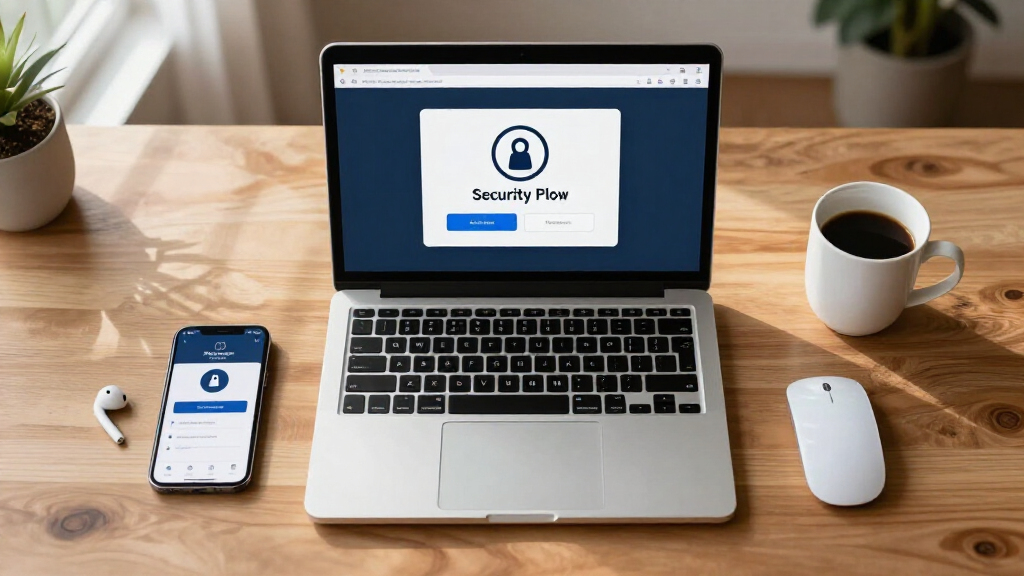
A new device security checker for remote teams with employee-owned hardware is in testing, offering a lightweight way to verify security compliance. It aims to fill a verification gap left by traditional MDM solutions, especially for SMBs facing SOC 2 audits.
A new lightweight device security checker is being tested for remote teams with mixed hardware, aiming to verify encryption, OS updates, and security settings without invasive management. This development addresses a critical gap in compliance verification for companies relying on employee-owned devices, particularly as regulations like SOC 2 tighten.
The security checker is designed as a voluntary, lightweight agent that employees install on their personal devices, including Macs, Windows laptops, and unmanaged phones. It assesses key security postures such as disk encryption, OS updates, screen lock activation, and password manager presence. The tool reports pass or fail statuses to a centralized dashboard, providing teams with clear visibility into device security without remote control capabilities.
This approach is intended for operations or security leads at small to medium-sized remote companies, especially those preparing for compliance audits like SOC 2. The goal is to address a common problem: companies often lack visibility into the security status of employee devices, which can lead to compliance failures or security breaches. The tool’s initial deployment involves testing at ten remote startups, with the aim to measure device enrollment rates and validate acceptance by auditors as sufficient evidence of security posture.
Pricing is expected to be per device per month, with additional features such as compliance report exports available on paid tiers. The solution seeks to fill a market gap where traditional Mobile Device Management (MDM) systems are too invasive or impractical for employee-owned devices, especially in the SMB sector.
Why a Lightweight Security Check Is a Game Changer for SMBs
This development is significant because it offers a practical way for remote companies to verify device security without resorting to invasive management tools. As regulations like SOC 2 increasingly demand evidence of security controls across all devices accessing company data, this tool provides a scalable, non-intrusive way to meet compliance requirements. It addresses a critical gap for small and medium businesses that rely on employee-owned hardware, which traditional MDM solutions often cannot manage effectively.
By enabling companies to quickly assess device security postures, the checker can reduce the risk of data breaches and compliance failures. It also empowers employees to take responsibility for their device security, fostering a culture of compliance and awareness. Overall, this approach could streamline security verification processes and lower the costs associated with compliance audits, making security more accessible for SMBs.
device encryption verification tool
As an affiliate, we earn on qualifying purchases.
As an affiliate, we earn on qualifying purchases.
The Growing Need for Device Security Verification in Remote Work
Remote work has accelerated over recent years, leading to a proliferation of employee-owned devices accessing corporate data. Many companies lack visibility into whether these devices are properly secured, especially as aging hardware or unmanaged phones may not meet security standards. Traditional Mobile Device Management (MDM) systems, which can enforce security policies, are often too invasive or impractical for personal devices, leading to a verification gap.
Recent regulatory pressures, such as SOC 2 and customer security reviews, have increased the demand for evidence that all devices connecting to company networks meet security standards. However, current solutions are either too complex or too intrusive, leaving many companies without a practical method to verify device security status at scale. This gap has prompted startups and security providers to develop lightweight, user-friendly tools that can be voluntarily installed and provide quick assessments.
Initial tests of these tools, including the one currently in pilot, focus on SMBs facing compliance deadlines. These companies seek scalable, low-impact solutions that can integrate into existing workflows without disrupting employee productivity or privacy.
As an affiliate, we earn on qualifying purchases.
Unclear Aspects of Deployment and Auditor Acceptance
It is not yet confirmed how widely this security checker will be adopted by remote companies or whether auditors will accept its reports as sufficient evidence of security compliance. The initial pilot involves ten startups, but broader validation and regulatory acceptance remain to be demonstrated. Additionally, details about long-term maintenance, employee compliance in installation, and integration with existing security frameworks are still emerging.
remote device security compliance software
As an affiliate, we earn on qualifying purchases.
As an affiliate, we earn on qualifying purchases.
Next Steps for Validation and Broader Adoption
The immediate next step is the completion of pilot testing at the ten remote startups, with measurement of device enrollment rates and feedback from security teams. If successful, the developers plan to refine the tool and expand deployment to additional SMBs. Further, they aim to engage with auditors and regulatory bodies to validate whether the reports generated meet compliance standards. Long-term, the goal is to establish the tool as a standard part of remote security verification workflows and to develop integrations with existing security platforms.
As an affiliate, we earn on qualifying purchases.
Key Questions
How does the device security checker work?
The checker is a lightweight agent installed voluntarily by employees that assesses device encryption, OS updates, screen lock status, and password manager presence. It reports pass or fail results to a centralized dashboard for security teams to review.
Is this tool suitable for all types of devices?
The initial focus is on Macs, Windows laptops, and unmanaged phones. Compatibility details for other device types are still under development.
Will employees need to give remote access for the tool to work?
No, the tool does not require remote control or invasive access; it only performs local checks and reports the security posture.
Can this tool replace traditional MDM solutions?
No, it is designed as a lightweight supplement for verification, especially suited for employee-owned devices where MDM is too invasive or impractical.
When will this tool be available for wider use?
Deployment is currently in pilot testing; broader availability depends on pilot outcomes and regulatory validation, likely within the next year.
Source: IdeaNavigator AI
Fall Picks
fall essentials
As an affiliate, we earn on qualifying purchases.