
TL;DR

Get business pricing on office and shipping supplies
- Business-only prices and quantity discounts
- Tax-exempt purchasing
- Multiple users, one account, clear invoices
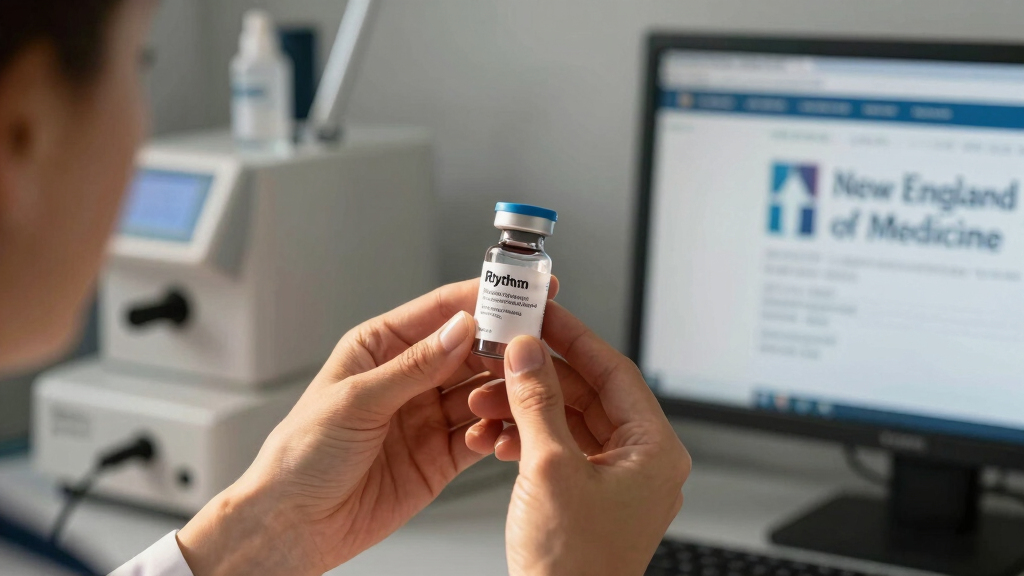
Rhythm Pharmaceuticals has announced the publication of its Phase 3 TRANSCEND trial results in the New England Journal of Medicine. The study focuses on a treatment for acquired hypothalamic obesity, a rare condition. This publication marks a key milestone for the company’s research and development efforts.
Rhythm Pharmaceuticals has announced the publication of its Phase 3 TRANSCEND trial results in the New England Journal of Medicine, a significant milestone for the company and for patients with acquired hypothalamic obesity. The publication details the efficacy and safety data of Rhythm’s investigational therapy, which aims to address a rare and challenging condition affecting weight regulation after hypothalamic injury. You can read more about the recent publication of the eNRGy trial results.
The TRANSCEND trial was a Phase 3 clinical study evaluating Rhythm Pharmaceuticals’ drug candidate in patients with acquired hypothalamic obesity, a condition characterized by uncontrollable weight gain following hypothalamic damage. The study enrolled over 200 participants across multiple centers, making it one of the largest trials in this rare disorder.
According to the published results, the drug demonstrated statistically significant improvements in weight loss and metabolic parameters compared to placebo, with a favorable safety profile. Rhythm Pharmaceuticals stated that these findings support the potential approval of the therapy for this unmet medical need. For more details on related clinical research, see our coverage of clinical trial publications. The publication in NEJM, a leading peer-reviewed medical journal, underscores the scientific rigor of the trial and its relevance to clinicians and researchers.
Rhythm CEO Dr. David Meeker emphasized the importance of the publication, noting, “This marks a pivotal step toward offering a targeted treatment for patients suffering from hypothalamic obesity, a condition with limited therapeutic options.” The company plans to submit regulatory applications based on these results later this year.
Implications of NEJM Publication for Hypothalamic Obesity Treatment Development
The publication of the TRANSCEND trial results in NEJM signifies a major advancement in the development of therapies for acquired hypothalamic obesity, a rare and difficult-to-treat condition. The positive data could lead to regulatory approval, providing a new treatment option for patients with limited current options. This milestone also enhances Rhythm Pharmaceuticals’ position in the field of obesity and metabolic disorders, potentially influencing future research and clinical practice.
hypothalamic obesity weight management supplement
As an affiliate, we earn on qualifying purchases.
As an affiliate, we earn on qualifying purchases.
Background on Hypothalamic Obesity and Clinical Development
Hypothalamic obesity typically occurs after hypothalamic injury from tumors, surgery, or radiation, leading to disrupted weight regulation. Current treatments are largely supportive, with no approved targeted therapies. Rhythm Pharmaceuticals has been developing a drug candidate aimed specifically at this condition, with the Phase 3 TRANSCEND trial representing the culmination of its clinical efforts. The trial’s results, now published in NEJM, follow earlier Phase 2 findings that showed promise but lacked definitive evidence needed for approval.
“This publication confirms the potential of our therapy to change lives for patients with hypothalamic obesity, a condition that has long lacked effective treatments.”
— Dr. David Meeker, CEO of Rhythm Pharmaceuticals
clinical trial support for obesity treatment
As an affiliate, we earn on qualifying purchases.
As an affiliate, we earn on qualifying purchases.
Unanswered Questions About Regulatory Approval and Long-Term Safety
It remains unclear when the company will submit regulatory applications and whether the data will be sufficient for approval in different jurisdictions. Additionally, long-term safety and efficacy beyond the trial duration have not yet been established, and further studies may be needed to confirm these aspects.
metabolic health monitoring device
As an affiliate, we earn on qualifying purchases.
As an affiliate, we earn on qualifying purchases.
Next Steps in Regulatory Review and Clinical Adoption
Rhythm Pharmaceuticals plans to submit its regulatory applications later in 2024, aiming for potential approval in the United States and Europe. The company also intends to conduct post-marketing studies to monitor long-term safety and effectiveness. Clinicians and patients will await regulatory decisions and further guidance on clinical use.
As an affiliate, we earn on qualifying purchases.
Key Questions
What is acquired hypothalamic obesity?
Acquired hypothalamic obesity is a condition characterized by uncontrollable weight gain following damage to the hypothalamus, often due to tumors, surgery, or radiation therapy.
What does the NEJM publication mean for patients?
The publication indicates that a promising new treatment has demonstrated safety and efficacy in clinical trials, potentially leading to approved therapies in the future.
When might this treatment become available?
Regulatory submissions are planned for later in 2024, with approval timelines depending on review processes in different regions.
Are there any safety concerns noted in the trial?
The published data report a favorable safety profile, but long-term safety remains to be confirmed through ongoing studies.
Source: primary
Fall Picks
fall essentials
As an affiliate, we earn on qualifying purchases.