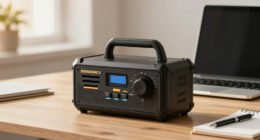
To budget for backup power in critical workspaces, start by evaluating your operational needs and potential risks of power outages. Consider both upfront costs like equipment and installation, and ongoing expenses such as maintenance and fuel. Explore renewable options like solar or wind, which may have higher initial costs but save money long-term. Think about investing in energy storage for added reliability. If you want to understand how to make these decisions work for your space, you’ll find helpful insights ahead.

Get business pricing on office and shipping supplies
- Business-only prices and quantity discounts
- Tax-exempt purchasing
- Multiple users, one account, clear invoices
Key Takeaways
- Assess the criticality of operations to determine necessary backup power capacity and reliability levels.
- Compare initial costs, including equipment, installation, and potential renewable energy incentives.
- Evaluate ongoing expenses like maintenance, fuel, and energy storage to understand total long-term costs.
- Consider renewable options for sustainability, potential savings, and available incentives or tax credits.
- Incorporate technological advancements and future scalability into your budget to ensure long-term resilience.
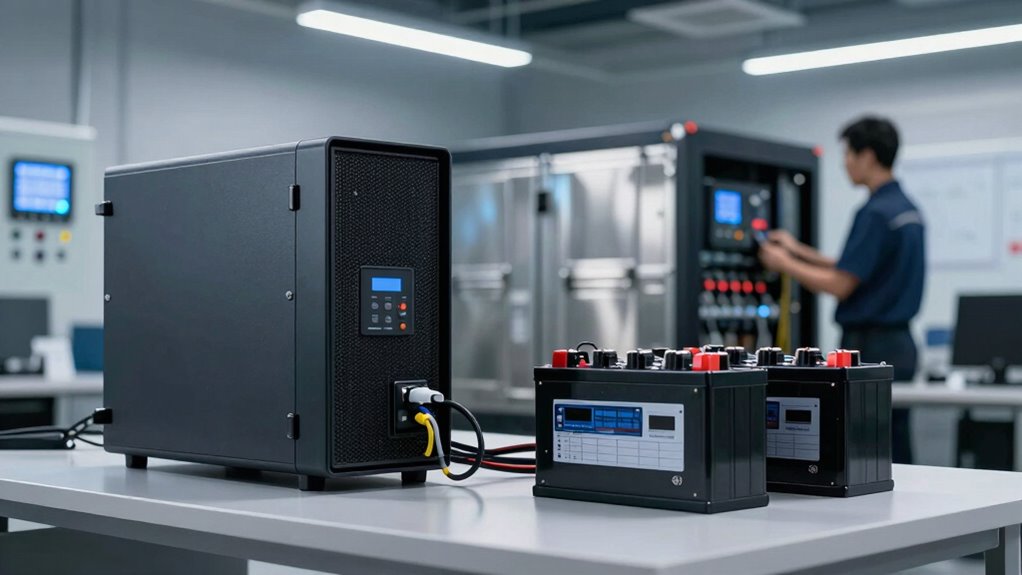
Have you ever contemplated what happens to your critical workspace when the power goes out? Without a reliable backup, essential operations grind to a halt, risking data loss, missed deadlines, and productivity drops. That’s why budgeting for backup power isn’t just a good idea — it’s a necessity. When you start planning, you need to look beyond initial costs and think about long-term sustainability and operational efficiency. One of the first steps is exploring renewable options, such as solar or wind power, which can considerably reduce ongoing energy costs and environmental impact. Incorporating renewables into your backup power system can be a smart move, especially if you’re aiming to lower your carbon footprint and take advantage of incentives or tax credits available in many regions. These options might require a higher upfront investment, but they often pay off over time through reduced utility bills and maintenance costs. Additionally, assessing the cost-effectiveness of renewable energy can help determine if these options provide long-term savings for your workspace. Investing in energy storage solutions can also enhance the reliability of your backup system by ensuring power availability even when renewable sources are intermittent.
Exploring renewable backup power options can reduce costs, environmental impact, and enhance long-term sustainability of your workspace.
Next, you should perform a thorough cost analysis to determine the most feasible solution for your workspace. This involves evaluating different backup power systems, including generators, battery storage, and renewable integrations, to understand their initial purchase price, installation costs, and ongoing expenses. When you do this, be sure to consider factors like fuel costs for generators, potential maintenance fees, and the lifespan of equipment. Renewable options tend to have higher initial costs but offer lower operating costs, especially if you capitalize on free natural energy sources like sunlight or wind. A detailed cost analysis helps you compare these options objectively, ensuring you choose a solution that strikes a balance between affordability and reliability. Incorporating renewable energy options into your planning process can also help you stay aligned with global efforts to promote sustainable practices. Moreover, understanding the long-term financial benefits of renewable solutions can be essential for making informed budgeting decisions. Considering technological advancements can also assist in selecting more efficient and future-proof backup systems.
industrial backup generator for critical workspace
As an affiliate, we earn on qualifying purchases.
As an affiliate, we earn on qualifying purchases.
Frequently Asked Questions
What Are the Most Cost-Effective Backup Power Options?
The most cost-effective backup power options include properly sizing your generator for your needs and ensuring power redundancy. You should select a generator that matches your critical workload without overspending on excess capacity. Power redundancy, like switching to backup sources seamlessly, minimizes downtime and maximizes efficiency. By focusing on generator sizing and implementing reliable redundancy, you can optimize your budget while maintaining essential operations during outages.
How Often Should Backup Power Systems Be Maintained?
You should maintain your backup power systems regularly to guarantee system reliability. Follow recommended maintenance schedules, typically every three to six months, depending on the system type. Conduct inspections, testing, and preventive measures consistently to catch potential issues early. Keeping a routine helps prevent failures, extends equipment lifespan, and guarantees that your backup power is ready when needed. Prioritize maintenance, and you’ll keep your critical workspaces protected and operational at all times.
Are There Government Grants for Backup Power Installation?
Yes, there are government grants and incentives available for backup power installation. You should explore federal, state, and local grant programs that support infrastructure upgrades, especially for critical workspaces. These incentives can substantially reduce your costs and make backup power more affordable. To benefit, research current programs, meet eligibility criteria, and apply early. Keeping up with government initiatives helps guarantee you get the financial support needed for reliable backup power solutions.
How Do I Calculate the Total Cost of Ownership?
Imagine your backup power system as a garden—its total cost of ownership includes planting, maintenance, and eventual renewal. To calculate it, consider initial equipment costs, expected lifespan, and ongoing expenses like fuel or maintenance during power outages. For instance, if a generator lasts ten years with annual upkeep, you’ll add those costs to the purchase price. This helps you budget effectively for equipment lifespan and prepare for potential power outages.
What Are the Common Pitfalls in Budgeting for Backup Power?
You should watch out for common pitfalls like underestimating surge protection costs or overlooking battery lifespan. Failing to account for surge protection can damage equipment, while ignoring battery lifespan might lead to unexpected replacement expenses. Budget carefully for ongoing maintenance and upgrades, ensuring your backup power system remains reliable. Avoid these mistakes by thoroughly researching costs and including contingencies, so your critical workspace stays protected without surprises.
solar energy storage battery system
As an affiliate, we earn on qualifying purchases.
As an affiliate, we earn on qualifying purchases.
Conclusion
Budgeting for backup power in critical workspaces is like planting seeds for peace of mind—you’re ensuring resilience when storms hit. By carefully planning and allocating funds, you’ll keep operations steady and avoid costly downtime. Remember, a well-prepared backup power system isn’t just an expense; it’s an investment in your business’s future stability. Stay proactive, and you’ll weather any outage, transforming challenges into opportunities for growth.
home backup power system with renewable options
As an affiliate, we earn on qualifying purchases.
As an affiliate, we earn on qualifying purchases.
automatic standby generator for business
As an affiliate, we earn on qualifying purchases.
As an affiliate, we earn on qualifying purchases.
Halloween Picks
halloween
As an affiliate, we earn on qualifying purchases.