
To excel as a team lead, mastering facilitation skills is essential. Focus on active listening to understand your team’s perspectives, and ask thoughtful questions to encourage open dialogue. Create a safe space where everyone feels comfortable sharing ideas, and manage conflicts constructively by staying neutral and guiding conversations toward solutions. These skills strengthen team cohesion and productivity. Keep exploring these strategies, and you’ll find even more ways to lead effectively.
Key Takeaways
- Develop active listening skills to understand team members’ perspectives and foster trust.
- Create a safe environment that encourages open dialogue and respectful communication.
- Use thoughtful questions to promote reflection and uncover underlying issues.
- Maintain neutrality and manage conflicts constructively to prevent escalation.
- Facilitate collaboration by guiding conversations towards mutually acceptable solutions.

Effective facilitation is a essential skill for team leads, as it directly influences how well your team collaborates and achieves goals. One of the most important aspects of facilitation is conflict management. When disagreements arise, your role is to guide the conversation in a way that resolves issues constructively rather than allowing tensions to escalate. You can do this by staying neutral, listening carefully to each side, and encouraging open dialogue. Recognize that conflicts aren’t inherently bad; they signal differing perspectives that, if managed well, can lead to stronger solutions. Your ability to handle conflicts calmly and assertively helps maintain a positive team environment and keeps projects moving forward. Incorporating conflict resolution techniques into your facilitation approach can further enhance your effectiveness in managing team dynamics.
Active listening is another indispensable element in effective facilitation. When team members share ideas or concerns, your focus should be entirely on understanding their points of view. Show that you’re engaged by nodding, maintaining eye contact, and paraphrasing what they say to confirm comprehension. This practice not only clarifies communication but also makes team members feel valued and heard, which boosts morale and trust. Active listening also enables you to identify underlying issues that might not be explicitly expressed, allowing you to address root causes instead of just surface-level symptoms.
To improve your conflict management and active listening skills, create an environment where everyone feels safe speaking openly. Set ground rules that emphasize respectful communication, and encourage team members to express their viewpoints without fear of judgment. During discussions, avoid interrupting and give each person space to contribute. When conflicts arise, focus on the facts and interests involved, rather than personalities or emotions, and guide the team toward mutually acceptable solutions. Your role is to facilitate dialogue, not to impose decisions, which empowers the team to find their own resolutions.
Practicing active listening also involves asking thoughtful questions that prompt reflection and deeper understanding. When someone raises a concern, respond with questions like “Can you tell me more about that?” or “What do you think would help resolve this?” These questions demonstrate your engagement and help uncover insights that might otherwise go unnoticed. Over time, refining your conflict management and active listening skills allows you to create a collaborative atmosphere where issues are addressed constructively, and every team member feels respected and understood. This, in turn, enhances overall team performance and goal achievement.

Active Listening Techniques: 30 Practical Tools to Hone Your Communication Skills
As an affiliate, we earn on qualifying purchases.
As an affiliate, we earn on qualifying purchases.
Frequently Asked Questions
How Do I Handle Difficult Team Members During Facilitation?
To handle difficult team members during facilitation, focus on managing conflict calmly and assertively. Address issues directly, listen actively, and show empathy to build rapport. Set clear boundaries and encourage respectful communication, making everyone feel heard. By staying composed and fostering a positive environment, you can defuse tension, promote collaboration, and guide the team toward productive discussions, turning challenges into opportunities for growth and understanding.
What Tools Are Best for Virtual Facilitation Sessions?
Virtual tools vividly enhance your facilitation sessions. Use video conferencing platforms like Zoom or MS Teams for real-time interaction and screen sharing. Incorporate engaging tools like Miro or Mentimeter to motivate participation and stimulate discussion. Leverage chat features for quick feedback and polls to keep energy high. These digital devices and dynamic engagement strategies guarantee your virtual facilitation remains lively, inclusive, and productive, making every session a success.
How Can I Measure the Success of My Facilitation Efforts?
To measure your facilitation success, you should establish clear success metrics like participant engagement, goal achievement, and session outcomes. Use feedback loops by actively seeking participants’ input through surveys or discussions afterward. Track improvements over time and compare results against your initial objectives. This approach helps you identify what’s working well and where to improve, ensuring your facilitation efforts continually grow more effective and impactful for your team.
What Are Common Mistakes to Avoid in Facilitation?
Did you know that 70% of group discussions fall into groupthink pitfalls? To avoid common mistakes, stay alert to groupthink, which stifles diverse ideas, and overplanning, which can drain spontaneity. You should foster open dialogue, encourage varied opinions, and remain flexible. Don’t let rigid agendas or ignoring diverse perspectives hinder progress. By staying aware of these pitfalls, you improve your facilitation effectiveness and create a more productive, inclusive environment.
How Do I Adapt Facilitation Techniques for Diverse Team Dynamics?
To adapt your facilitation techniques for diverse team dynamics, focus on cultural awareness and understanding different communication styles. You should actively listen, ask open questions, and encourage everyone to share their perspectives. Adjust your approach by using inclusive language, avoiding jargon, and being sensitive to cultural nuances. This helps create a respectful environment where all team members feel valued and engaged, fostering better collaboration and productivity.

Holding Space: A Guide to Mindful Facilitation
As an affiliate, we earn on qualifying purchases.
As an affiliate, we earn on qualifying purchases.
Conclusion
By honing your facilitation skills, you’ll gently guide your team toward collaboration and innovation, even when challenges arise. Remember, your leadership subtly influences the atmosphere, encouraging openness and shared understanding. With each conversation, you create a space where ideas flourish and differences are valued. Embrace these skills as an ongoing journey, and you’ll find yourself fostering a more cohesive, motivated team—one that’s quietly inspired to achieve great things together.

700 Team Building Conversation Cards for Coworkers, Fun Team Building Games for Work, Communication Cards for Deeper Connections, Ice Breaker Question Cards for Work to Get to Know Your Colleagues
✅ 700 QUESTIONS TO QUICKLY BREAK THE ICE – TalkWise Team Building games for work make it easy…
As an affiliate, we earn on qualifying purchases.
As an affiliate, we earn on qualifying purchases.
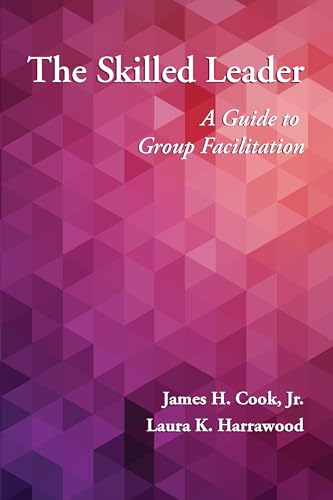
The Skilled Leader: A Guide to Group Facilitation
As an affiliate, we earn on qualifying purchases.
As an affiliate, we earn on qualifying purchases.