
Support and rescue serve different but essential roles during emergencies. Rescue involves quick, immediate actions like pulling someone from danger to guarantee their safety. Support, on the other hand, provides ongoing emotional help, reassurance, and guidance to help them recover mentally and emotionally after the crisis. While rescue focuses on urgent safety, support aims to foster resilience and long-term well-being. If you want to understand how these two work together, there’s more to explore.
Open a free Amazon Business account
Business pricing, bulk buying and tax-exempt orders.
As an affiliate, we earn on qualifying purchases.
Key Takeaways
- Rescue involves immediate, urgent actions to prevent harm; support provides ongoing emotional and mental assistance.
- Rescue focuses on quick safety measures; support emphasizes long-term recovery and resilience-building.
- Rescue is action-oriented, while support is care-oriented and aimed at emotional healing.
- During emergencies, rescue stabilizes the situation; support helps individuals cope afterward.
- Both are essential but serve different roles in safety, recovery, and overall well-being.
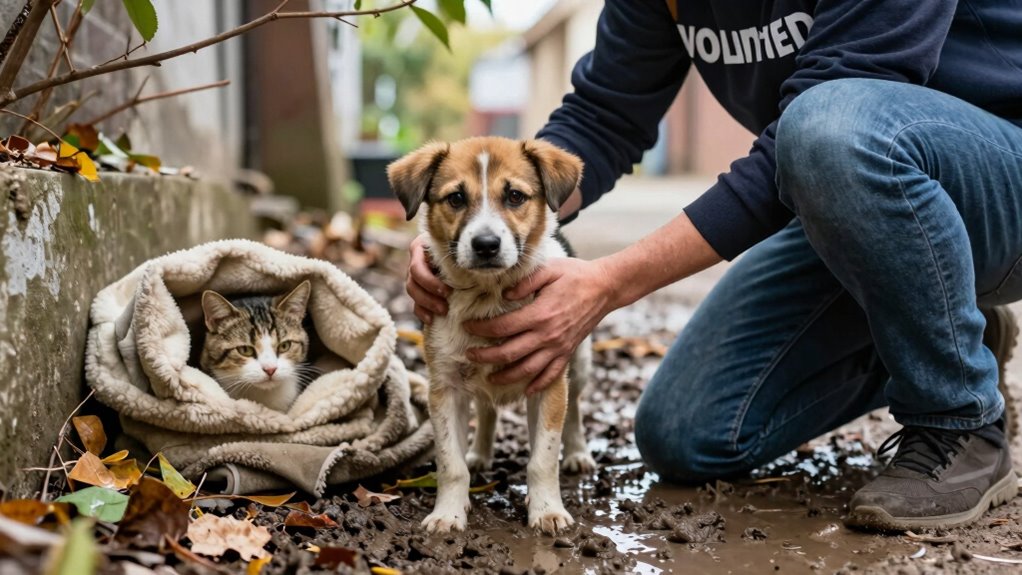
Have you ever wondered how support differs from rescue in emergency situations? The distinction is essential because each plays a different role in helping someone in crisis. Support involves providing ongoing help, encouragement, and emotional assistance, whereas rescue is about immediate action to prevent further harm. When someone faces a sudden crisis, rescue efforts focus on emergency intervention — quick, decisive steps to stabilize the situation and ensure safety. Support, on the other hand, continues long after the initial crisis, helping the individual recover emotionally and rebuild their life.
In an emergency, rescue is about stepping in swiftly to address urgent needs. You might see rescue efforts in action when first responders pull someone from a dangerous situation or administer life-saving aid. Rescue teams prioritize immediate safety, often working under intense pressure to prevent injury or death. It’s a direct, action-oriented approach that aims to contain the crisis quickly and effectively. Support, however, takes a broader view. It’s about offering emotional assistance that helps the person process what happened, regain confidence, and develop resilience over time. You might provide emotional support by listening, offering reassurance, or connecting them with mental health resources. The goal of support isn’t just to stabilize the moment but to foster long-term recovery and well-being.
Understanding the difference helps you respond appropriately in various scenarios. During a rescue, your focus should be on taking swift, decisive action to address the immediate danger. Once the individual is safe, your role shifts to providing emotional assistance, helping them cope with trauma, fear, or confusion. Supporting someone emotionally doesn’t mean you’re downplaying the seriousness of their situation; it means you recognize that recovery involves both physical safety and mental health. It’s about creating a foundation for healing that extends beyond the emergency intervention. Recognizing the importance of ongoing emotional support ensures a comprehensive approach to recovery that addresses both immediate safety and long-term well-being. Providing mental health resources and ongoing encouragement can significantly influence the individual’s ability to recover fully. This distinction is also relevant in biodiversity and conservation, where immediate rescue efforts are crucial, but ongoing support is essential for lasting ecological health.
Additionally, understanding these differences can help in designing effective support systems that promote resilience and long-term stability for those in recovery.
As an affiliate, we earn on qualifying purchases.
Frequently Asked Questions
How Do Organizations Determine When to Support or Rescue?
You determine whether to support or rescue through volunteer coordination and risk evaluation. When a situation is manageable and safety isn’t compromised, you provide support—like offering resources or guidance. But if someone’s in immediate danger, you escalate to rescue efforts, carefully evaluating risks beforehand. By continuously assessing the scene and coordinating volunteers effectively, you ensure the right response, balancing urgency with safety to make the best decision.
What Training Is Required for Support Versus Rescue Teams?
Support teams need specialized certifications in communication, logistics, or first aid, focusing on preparation and coordination. Rescue teams require advanced training in technical skills, high-risk operations, and safety procedures, reflecting their higher team hierarchy. While support members handle essential groundwork, rescue teams face life-threatening situations. Both roles demand continuous training to guarantee effectiveness, but rescue teams undergo more rigorous, specialized programs due to the dangers involved.
Are There Legal Differences Between Support and Rescue Operations?
Yes, there are legal differences between support and rescue operations. You could face varying legal liabilities depending on the role you perform, and insurance coverage might differ too. Rescue operations often carry higher legal risks due to their urgent and potentially hazardous nature, requiring specialized liability protections. Support roles generally involve less direct risk, but you still need proper coverage and understanding of liability issues to protect yourself and your organization.
How Do Support and Rescue Teams Coordinate During Emergencies?
You might think coordination is complex, but clear communication protocols simplify it during emergencies. Support and rescue teams actively communicate through predefined channels, making sure everyone stays informed and synchronized. Volunteer coordination is vital; leaders assign roles, share updates, and adapt quickly to evolving situations. This teamwork minimizes confusion, maximizes efficiency, and guarantees timely assistance, making sure everyone understands their specific responsibilities and acts cohesively to save lives and property effectively.
What Equipment Is Unique to Rescue Missions Compared to Support?
Rescue missions require specialized gear like hydraulic cutters, stretchers, and advanced climbing equipment that support teams typically don’t use. You’ll also follow specific rescue protocols designed for urgent extraction and safety, ensuring effective, swift action. These tools and procedures are vital for reaching and safely extracting victims from hazardous environments, setting rescue operations apart from support efforts that mainly provide logistical or logistical assistance without the need for such specialized equipment.
As an affiliate, we earn on qualifying purchases.
Conclusion
Think of support as tending to a garden—you nurture and help it grow, ensuring roots are strong and branches reach upward. Rescue, on the other hand, is like pulling a plant out of a storm’s wrath, saving it from immediate harm. Both are essential, but they serve different purposes. By knowing when to support and when to rescue, you become the gardener who knows exactly how to nurture life back to health or pull it through the storm.
As an affiliate, we earn on qualifying purchases.
first responder rescue equipment
As an affiliate, we earn on qualifying purchases.
As an affiliate, we earn on qualifying purchases.
Fall Picks
fall essentials
As an affiliate, we earn on qualifying purchases.