
TL;DR
Microsoft is set to launch Signal Peak 2026, an AI security platform that uses multi-model routing to detect vulnerabilities across enterprise codebases. It directly competes with Anthropic’s Mythos, offering wider access and lower costs. The development signals a shift toward model orchestration in enterprise AI security.
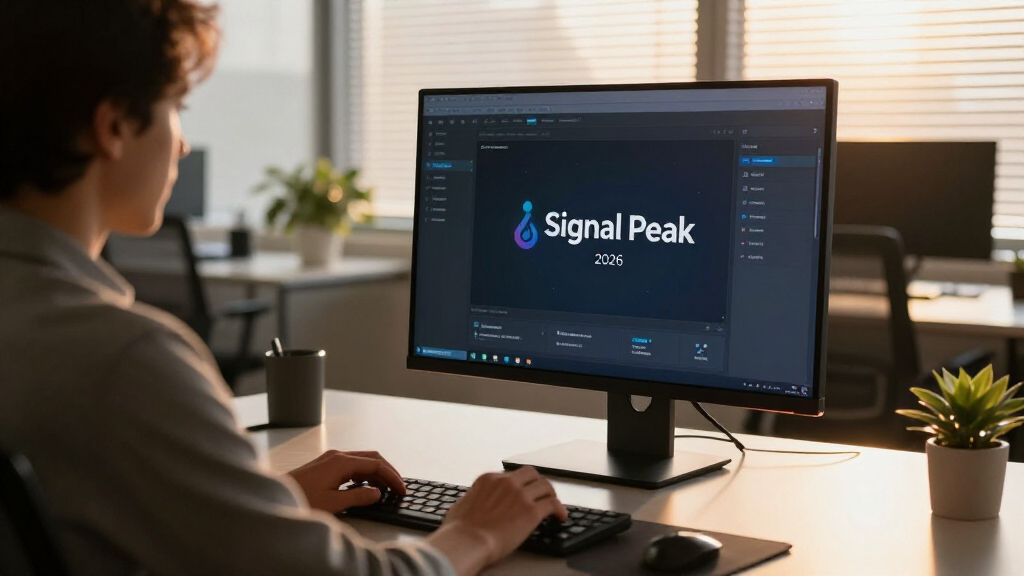
Microsoft is preparing to launch Signal Peak 2026, an AI security platform designed to scan enterprise codebases for vulnerabilities. The platform will use models from Microsoft, OpenAI, and Anthropic, marking a direct challenge to Anthropic’s Mythos, currently regarded as the most capable vulnerability-hunting AI. The launch, anticipated before the end of July, reflects a strategic shift toward multi-model routing and cost efficiency in enterprise AI security, with potential implications for market competition and access.
According to a report from The Information, Microsoft’s Signal Peak 2026 is an upcoming AI security platform that will route security analysis tasks across multiple models, including those from Anthropic, OpenAI, and Microsoft itself. The platform aims to provide wider availability and lower costs compared to Mythos, which is estimated to have API costs roughly 100% above Anthropic’s Claude Opus and 82% above GPT-class models. The key innovation is a model-selection layer that reserves expensive frontier models for critical steps, enabling continuous, cost-effective vulnerability scanning at enterprise scale.
The architecture allows the orchestration layer to dynamically choose between high-cost frontier models and cheaper, distilled models based on the task’s complexity. This design reduces costs significantly, making continuous security auditing economically feasible—something previously hindered by the high expense of applying frontier models across entire codebases. Microsoft’s approach leverages model routing, which could shift market dynamics by making model choice a per-request decision rather than vendor loyalty, with control over the routing layer becoming a critical competitive advantage.
Implications for Enterprise AI Security Market
The launch of Signal Peak 2026 indicates a shift toward multi-model orchestration in enterprise AI security, emphasizing cost efficiency and broader access. This development could democratize advanced security capabilities, previously limited by high costs and restricted access to models like Mythos. Microsoft’s strategy to integrate models from multiple providers and dynamically select the appropriate one for each task may reshape how organizations deploy AI for security, potentially lowering barriers and intensifying competition among model providers.
Additionally, the approach underscores a broader trend: the commoditization of model orchestration layers, which could become a key battleground for market dominance. As Microsoft aims to position itself as a neutral orchestrator, control over the routing layer could influence pricing, access, and security capabilities across the industry.
As an affiliate, we earn on qualifying purchases.
Background on AI Security and Market Dynamics
Anthropic’s Mythos has been recognized as one of the most capable AI models for vulnerability detection, but its high cost and restricted access have limited widespread enterprise adoption. Meanwhile, Microsoft has integrated Anthropic models into its Microsoft 365 Copilot, signaling a close partnership. The broader enterprise AI market has been moving toward more cost-effective, accessible solutions, with companies increasingly routing workloads to cheaper, open-weight models from China and other regions. The concept of model routing and orchestration has gained prominence as a way to balance cost, capability, and access, setting the stage for Signal Peak 2026’s approach.
This context underscores the significance of Microsoft’s move: it not only introduces a new product but also advances a strategic architecture that could redefine enterprise AI security and model deployment practices.
“Microsoft’s Signal Peak 2026 will route security tasks across models from Microsoft, OpenAI, and Anthropic, challenging Mythos’s dominance with a more accessible, cost-effective approach.”
— TechTimes
As an affiliate, we earn on qualifying purchases.
Uncertainties Surrounding Signal Peak 2026 Launch
Details about the exact launch date remain unconfirmed, with reports suggesting a deployment before the end of July 2026, but delays are possible. The product is still unreleased, and official specifications or user access details have not been publicly disclosed. Additionally, it is unclear how the platform’s routing layer will perform in real-world security scenarios or whether it will deliver capabilities comparable to Mythos, given the open questions about whether routed models can match the effectiveness of dedicated frontier models.
Further, the impact on Mythos’s market share and whether other competitors will adopt similar architectures are still developing stories.
As an affiliate, we earn on qualifying purchases.
Next Steps for Signal Peak 2026 and Market Impact
Microsoft is expected to officially announce Signal Peak 2026 and begin limited testing or pilot programs before a broader rollout. Observers will watch how traffic is routed once the platform is live, particularly whether organizations favor the flexible, cost-effective approach over existing solutions. The industry will also monitor how competitors respond, especially regarding model orchestration and access strategies. The platform’s success could accelerate adoption of multi-model routing architectures in enterprise security and influence pricing models across the AI ecosystem.
As an affiliate, we earn on qualifying purchases.
Key Questions
When is Signal Peak 2026 expected to launch?
Microsoft is aiming to launch Signal Peak 2026 before the end of July 2026, but the exact date has not been officially confirmed and could slip.
How does Signal Peak 2026 compare to Mythos?
Signal Peak 2026 will use model routing to combine models from Microsoft, OpenAI, and Anthropic, aiming for broader access and lower costs, potentially matching Mythos’s capabilities at a fraction of the cost.
Will Signal Peak 2026 replace Mythos?
It is not yet clear whether Signal Peak 2026 will fully replace Mythos or serve as a complementary platform, as effectiveness in real-world scenarios remains to be seen.
What does this mean for enterprise AI security?
This development suggests a shift toward more flexible, cost-efficient security solutions that leverage multi-model orchestration, potentially democratizing access to advanced vulnerability detection.
Could this architecture influence other AI applications?
Yes, the model routing and orchestration approach could be adopted across various enterprise AI use cases, emphasizing cost management and flexible model deployment.
Source: ThorstenMeyerAI.com