
🔍 Read the full analysis: An AI Odyssey, A Digital Ozzy And The Search For Fan Trust on ThorstenMeyerAI.com

Get business pricing on office and shipping supplies
- Business-only prices and quantity discounts
- Tax-exempt purchasing
- Multiple users, one account, clear invoices
TL;DR
A seven-minute AI-made Odyssey, renewed scrutiny of the Digital Ozzy project, an unresolved allegation about an A$AP Rocky video and Jay-Z’s warning about AI put fan trust in focus. The cases differ, but the source report identifies consent, credit and perceived creative quality as recurring issues. Some claims remain disputed or unanswered.
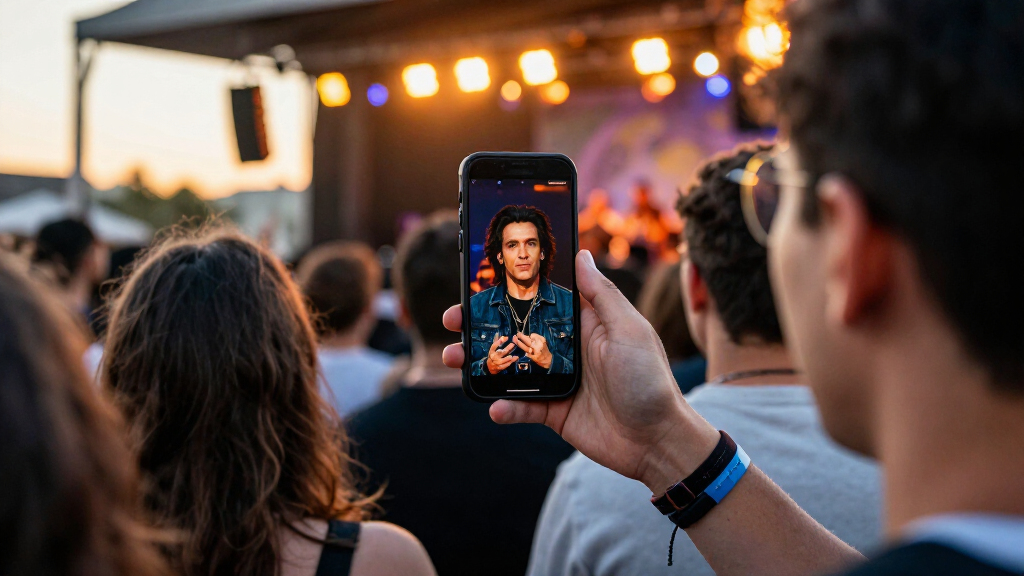
Four entertainment developments reported between Oct. 19 and 26 have sharpened questions about how audiences respond to artificial intelligence in music and film: xAI’s Grok Imagine posted a seven-minute Odyssey video, Jack Osbourne revisited the backlash to a planned Ozzy Osbourne avatar, a visual-effects artist accused an A$AP Rocky video of reusing his footage, and Jay-Z urged fans to question what they see and hear online. The cases are not equivalent, but they put consent, credit and creative quality at the center of the debate.
On Oct. 23, the Grok Imagine account on X posted what it called “Episode 1” of an Odyssey series, a roughly seven-minute video credited as a creative collaboration with Wonder Studios and director Dev Walker. Elon Musk had said in July that Grok Imagine would make a full-length, historically accurate Odyssey before year’s end. The posted episode is not a full-length film. TechCrunch’s review praised moments that looked like live-action footage but described the video overall as “completely airless.”
Jack Osbourne said on a podcast posted Oct. 21 that the reaction to plans for an interactive digital version of his late father was “my own fault.” Sharon and Jack Osbourne had announced the project in May with companies Hyperreal and Proto Hologram. The planned avatar was described as using Ozzy Osbourne’s voice, image and movement. The family’s consent was part of the project, but Jack said his remarks about possible commercial uses led people to fear the avatar would be used to sell products. A planned summer debut had not taken place, according to the source report.
In a separate dispute, VFX artist Cache Bunny alleged that a shot in A$AP Rocky’s “Shroom Clouds” video, released Oct. 19, used his 2019 footage altered with AI to depict the rapper. The video credits list AI artists, but that does not establish whether Bunny’s footage was used. The report said no response from Rocky’s side had been published by Oct. 26. On Oct. 24, Jay-Z told a SoFi Stadium audience to “Question everything in this world of AI.”
Trust Depends on More Than Disclosure
These stories suggest that simply labeling a work as AI-made does not settle whether audiences will accept it. Grok Imagine’s Odyssey episode was identified as AI-generated, yet the cited review focused on its perceived lack of life and craft. In the Ozzy case, the family’s involvement did not prevent a backlash when a commercial use was described in a way that fans interpreted as putting the singer’s likeness up for sale.
The Rocky allegation raises a different issue: who created and owns the underlying material, and whether they received credit or permission. That claim remains unverified in the material available. For artists, estates, platforms and audiences, the distinctions matter: disclosure can identify how content was made, but it does not by itself resolve questions about authorization, attribution or quality.
There are examples of AI-related work receiving a different response when artists or families are involved. The source report points to the Beatles’ “Now and Then,” which used machine learning to clean up a John Lennon demo, and Randy Travis’s AI-assisted song, made with his and his family’s involvement. Those examples do not establish a universal rule, but they illustrate why process and permission are part of public trust.
Products Worth Considering

Dell XPS 13 9350 Laptop, 13.4 FHD+ Display, Intel Ultra 7 256V, 16GB DDR5, 1TB SSD

Dell XPS 13 9350 AI Professional Laptop 13.4 120Hz FHD+ Display

Samsung 27-Inch Odyssey QD-OLED G8 4K 240Hz Gaming Monitor
As an affiliate, we earn on qualifying purchases.
How the Week’s Disputes Unfolded
The Odyssey dispute began with criticism of Christopher Nolan’s casting for his film, which was released earlier in 2026. Musk criticized the casting of Lupita Nyong’o as Helen of Troy, according to the source report, then promised a Grok Imagine adaptation. Nolan had called the casting criticism irrelevant, Deadline reported. The AI episode appeared on Oct. 23; it was a short installment, not the full-length movie Musk had forecast.
The Digital Ozzy plan followed the singer’s death on July 22, 2025, at age 76. At Licensing Expo in Las Vegas in May 2026, his family and the two technology companies described an interactive avatar built from his voice, image and movement. Jack Osbourne later said he had not been prepared to explain the project clearly. His comments point to a gap between the family’s stated intent to control the likeness and some fans’ concern about commercial use.
Regulation also forms part of the backdrop. The source report says that, from Aug. 2, 2026, the EU AI Act requires deployers to disclose deepfakes, with a less intrusive disclosure duty for evidently artistic work. That disclosure rule addresses transparency; the disputes described here also involve consent, credit and audience response.
““The backlash, it was my own fault.””
— Jack Osbourne, speaking on the Great Company podcast
Disputed Footage and Delayed Debut
The available account does not establish whether the “Shroom Clouds” video used Cache Bunny’s 2019 footage. The allegation had not received a published response from A$AP Rocky’s side by Oct. 26, and the presence of AI artists in the credits does not resolve the question of source material or permission.
The timing and final form of the Digital Ozzy avatar also remain uncertain. The report says its expected late-summer appearance in Proto Luma units in the United States and United Kingdom had not happened by the time of writing. It does not provide a revised launch date or a full account of how the avatar’s commercial uses would be controlled. The source likewise does not confirm when, or whether, Grok Imagine will deliver the promised full-length Odyssey.
Responses and Launch Plans to Watch
The next developments to watch are a response from Rocky’s representatives or the video’s creators to Bunny’s allegation, and any clarification from the Osbourne family or project partners about the avatar’s rollout and commercial boundaries. A revised Digital Ozzy launch date was not given in the source report.
For Grok Imagine, a full-length film would be the next milestone against Musk’s July promise; the Oct. 23 episode does not fulfill that description. More broadly, the cases leave audiences looking for clear sourcing, permission and credit alongside disclosure that content uses AI. The current record does not show whether those practices will be standardized across the projects.
Key Questions
Did Grok Imagine release a full-length Odyssey film?
No. On Oct. 23, the Grok Imagine account posted a roughly seven-minute episode described as “Episode 1” of an Odyssey series. It was not the full-length movie Musk had said would arrive before the end of 2026.
What did Jack Osbourne say about Digital Ozzy?
He said the backlash was “my own fault” and that he had not been properly prepared to explain the project. He said fans had assumed it would put Ozzy Osbourne’s avatar into product advertising.
Has the A$AP Rocky video been proven to use Cache Bunny’s footage?
No. Bunny’s claim that a shot reused his 2019 footage with AI alterations remains an allegation in the source material. It said no response from Rocky’s side had been published by Oct. 26.
What did Jay-Z say about AI?
At SoFi Stadium on Oct. 24, Jay-Z told the audience: “Question everything in this world of AI.” The source report framed the remark as a call for skepticism about online narratives.
Source: ThorstenMeyerAI.com