
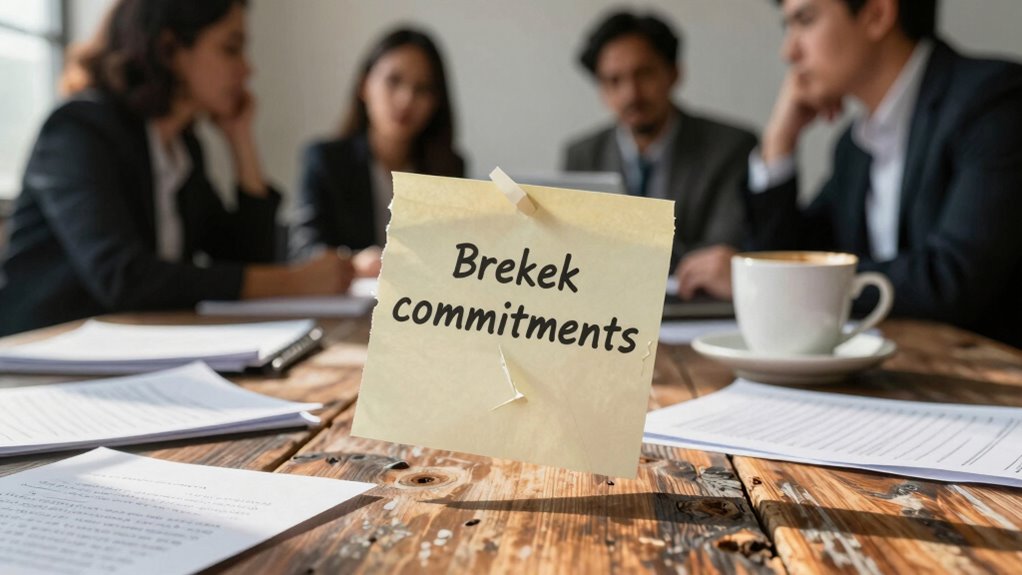
When you or your team fail to follow through on commitments, trust quickly erodes. Missed deadlines and unfulfilled promises signal a lack of responsibility, damaging confidence and causing collaboration to falter. Over time, this pattern fosters resentment, diminishes morale, and creates a fragile environment. To rebuild trust, it’s essential to address accountability issues, communicate clearly, and reinforce expectations. Keep exploring to discover strategies that help close the follow-through gap and strengthen your team’s cohesion.

Get business pricing on office and shipping supplies
- Business-only prices and quantity discounts
- Tax-exempt purchasing
- Multiple users, one account, clear invoices
Key Takeaways
- Repeated failure to fulfill commitments erodes team trust and fosters skepticism.
- Lack of clear communication and accountability leads to misunderstandings and broken promises.
- Unaddressed issues and delays diminish confidence, causing morale and collaboration to decline.
- Persistent follow-through gaps create a toxic environment and weaken team cohesion.
- Rebuilding trust requires transparent processes, prompt feedback, and consistent demonstration of reliability.
When teams fail to follow through on commitments, trust begins to erode, creating a gap that can undermine collaboration and productivity. This follow-through gap often stems from accountability issues that aren’t addressed promptly or effectively. When team members miss deadlines or don’t deliver on promises, it sends a clear message that responsibilities aren’t taken seriously. Over time, these missed commitments chip away at trust, making others hesitant to rely on anyone’s word. It’s not just about individual errors but about a pattern of behavior that signals a lack of accountability, which damages the team’s cohesion. Recognizing the importance of trust-building can help teams prioritize consistent follow-through and strengthen relationships. Communication breakdowns frequently fuel this problem. When expectations aren’t clearly articulated or regularly reinforced, team members can become confused about what’s required of them. If leaders or colleagues fail to communicate deadlines, priorities, or changes effectively, it’s easy for tasks to fall through the cracks. Without open, honest dialogue, misunderstandings grow, and accountability issues become more pronounced. When people don’t know what’s expected, they’re less likely to follow through, which leads to frustration and a breakdown in trust. This cycle perpetuates itself, as team members start doubting each other’s commitments, questioning whether promises will be kept. A lack of clear expectations can significantly contribute to this ongoing cycle, making it harder to maintain accountability. You might notice that when commitments aren’t met, others begin to withdraw or become less engaged. This isn’t just about missed deadlines; it’s about the confidence that others will step up when needed. The longer these accountability issues persist, the more trust diminishes. Communication breakdowns often worsen this situation by hiding problems or delaying feedback, preventing quick resolution. When issues aren’t addressed openly, resentment can build, and team members start doubting each other’s intentions. Your team’s morale takes a hit, and the willingness to cooperate diminishes, creating a toxic environment where follow-through is rare and trust is fragile. To close this gap, you need to foster accountability at every level. Encourage clear, direct communication, and establish transparent processes for tracking commitments. When someone falls short, address it promptly but constructively, focusing on solutions rather than blame. Reinforce the importance of follow-through by recognizing those who consistently meet their responsibilities. Over time, these actions rebuild trust by demonstrating reliability and commitment. Building a culture of accountability involves setting expectations and providing ongoing feedback, which helps prevent issues from escalating. When communication flows openly and accountability is prioritized, your team can recover from setbacks and strengthen its foundation for future success. Ultimately, closing the follow-through gap requires a collective effort to uphold commitments and ensure everyone understands their role in maintaining trust and accountability.
As an affiliate, we earn on qualifying purchases.
Frequently Asked Questions
How Can Teams Effectively Identify the Follow-Through Gap Early?
You can effectively identify the follow-through gap early by paying close attention to trust indicators like missed deadlines, lack of communication, or unfulfilled commitments. Regular check-ins help you gauge progress and spot potential issues before they escalate. Encourage open conversations where team members feel safe discussing obstacles. By staying alert to these signals, you foster transparency, enabling early detection and swift action to maintain trust and guarantee projects stay on track.
What Are Common Signs Indicating a Breakdown in Team Trust?
Like a broken record, you notice team members avoiding commitments or missing deadlines, signaling a trust breakdown. When accountability measures aren’t followed, or communication becomes guarded, trust erodes. You can tell trust is fragile when team members stop sharing openly or hesitate to take ownership. Recognizing these signs early allows for trust rebuilding, fostering accountability measures that reinforce reliability and transparency, ultimately restoring team cohesion and productivity.
How Does Leadership Influence Closing the Follow-Through Gap?
Leadership influences closing the follow-through gap by demonstrating accountability and setting clear expectations. When leaders consistently follow through on commitments, they reinforce trust and encourage the same behavior in their team. You can foster trust reinforcement by openly communicating progress, owning mistakes, and recognizing efforts. Your active involvement shows your team that follow-through matters, helping to build a culture of reliability and accountability, ultimately strengthening team trust.
Are There Specific Industries More Prone to Trust Issues From Follow-Through Gaps?
Think of industries like construction sites—where trust is the foundation and follow-through is the blueprint. In high-stakes sectors like finance or healthcare, industry dynamics amplify trust issues when follow-through gaps occur. These fields demand a strict accountability culture, and lapses can shake confidence quickly. If you neglect consistent delivery, you risk undermining team cohesion and eroding trust, much like a crumbling structure that threatens the entire building.
What Role Does Communication Play in Preventing the Follow-Through Gap?
You play a vital role in preventing the follow-through gap through effective messaging and transparency practices. By clearly communicating expectations, deadlines, and progress updates, you guarantee everyone stays aligned. Openly sharing challenges and changes fosters trust and accountability. When you prioritize transparency, you reduce misunderstandings and missed commitments, creating a team environment where follow-through becomes the norm, strengthening trust and collaboration across all projects.
project management tracking tools
As an affiliate, we earn on qualifying purchases.
As an affiliate, we earn on qualifying purchases.
Conclusion
Just like Icarus who flew too close to the sun, neglecting follow-through can cause your team’s trust to melt away. When promises aren’t kept, it’s as if you’re building on shifting sands, risking everything you’ve worked for. Remember, trust isn’t a one-time gift—it’s a delicate bridge you must continually reinforce. Keep your commitments, follow through, and watch your team soar, not fall, like the mythic wings that carried Icarus too high.
team communication and collaboration software
As an affiliate, we earn on qualifying purchases.
As an affiliate, we earn on qualifying purchases.
As an affiliate, we earn on qualifying purchases.
Fall Picks
fall essentials
As an affiliate, we earn on qualifying purchases.