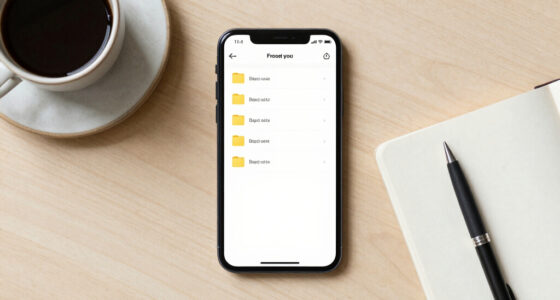
📊 Full opportunity report: How Phone-Free Venues Can Coordinate Live Events on IdeaNavigator AI — validation score, market gap, and execution plan.

Get business pricing on office and shipping supplies
- Business-only prices and quantity discounts
- Tax-exempt purchasing
- Multiple users, one account, clear invoices
TL;DR
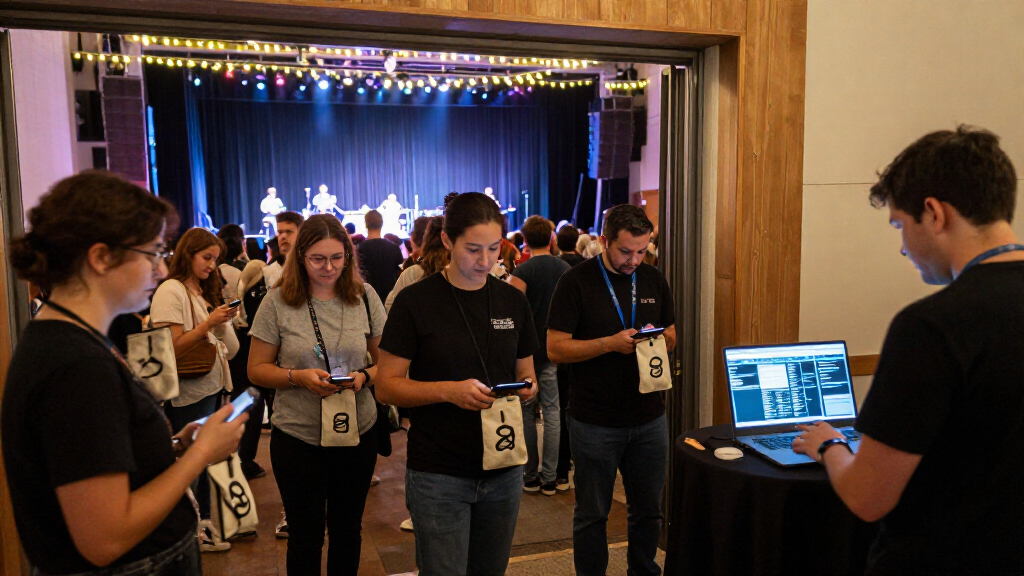
A proposal from IdeaNavigator AI identifies a gap in day-to-day operations at phone-free events and schools that use lockable phone pouches. It recommends piloting a hardware-agnostic tool for check-in, pouch tracking, exceptions and emergency unlocks; no pilot results or product launch are reported.
IdeaNavigator AI has proposed an operations tool for phone-free shows, comedy clubs, schools and courts that use lockable phone pouches, focusing on check-in, pouch inventory, exceptions and emergency unlocks. The proposal recommends testing the workflow at five venues and three schools; no product launch, completed pilot or measured results are reported. These details are from IdeaNavigator AI’s proposal, which does not identify participating sites.
According to IdeaNavigator AI’s proposal, the tool is intended for operators who manage phone-free events or sites using pouch systems. Its suggested minimum version would provide a check-in flow and exception registry for people with medical needs or on-call responsibilities, alongside tracking of pouch inventory. These functions are presented as a proposed workflow, not as features of an existing, tested product.
The same proposal also suggests express emergency-unlock stations that record the reason for each unlock, and post-event operations reports. The software is described as hardware-agnostic, meaning it would be designed to work alongside pouch systems rather than depend on one named supplier. IdeaNavigator AI does not specify a product, technical design or existing integration.
For validation, IdeaNavigator AI calls for pilots at five venues and three schools. Operators would compare the time needed to handle exceptions and how completely incidents are logged against their current improvised processes. The proposal suggests a subscription charged per event or per site. It provides no pricing figures, pilot partners, customer commitments or outcomes.
Reducing Friction at Phone-Free Events
Phone-free policies depend on more than collecting devices: staff must manage entry, keep track of pouches, respond to exceptions and handle urgent requests to access phones. IdeaNavigator AI’s proposal identifies these tasks as an operational gap that can affect staff workload and the experience of attendees, students or visitors. It suggests that queues for re-entry or emergency unlocking could undermine smooth operations, but does not provide data documenting those effects.
A shared system for recording exceptions and incidents could give operators a more consistent view of how those situations are handled. However, IdeaNavigator AI presents this as a hypothesis to test, not a demonstrated result. Its suggested pilot measures are exception-handling time and completeness of incident logs. The proposal provides no evidence that the tool would reduce queues, improve compliance or lower costs.
The operational question may matter to different settings for different reasons. A venue might prioritize entry and audience flow, while a school could have to account for medical exceptions and staff responsibilities during the day. Whether one product can accommodate those varied needs is not established in the proposal. Testing across venues and schools could help show whether the workflow is transferable or needs to be adapted by site type.
Products Worth Considering

LG UltraGear evo 27-inch 5K Mini-LED Gaming Monitor

Logitech MX Master 4 Ergonomic Wireless Mouse with Haptic Feedback, Graphite

Dell UltraSharp U3225QE 31.5-Inch 4K UHD 120Hz IPS Black Thunderbolt Hub Monitor
As an affiliate, we earn on qualifying purchases.
From Pouch Rules to Staff Workflows
In its proposal, IdeaNavigator AI describes phone-free policies as appearing across schools, comedy tours and courtrooms, with lockable pouches used to restrict access to devices. It provides no figures for how widely those policies have spread, a timeline for their adoption or named examples. Its claim that mandates are spreading is therefore a framing for the opportunity, not a quantified trend supported by the material provided.
The proposal distinguishes between the pouch hardware and the operating process around it. IdeaNavigator AI says staff currently rely on pouches plus improvisation to deal with missing pouches, medical or on-call exceptions, emergency unlocking and re-entry lines. It does not document how often these problems occur or whether current procedures vary by venue. The proposed software would add a record-keeping and coordination layer without replacing the physical pouch system.
IdeaNavigator AI frames the opportunity as a focused first step for operators rather than a broad platform for all event management. Its recommended pilot would test a particular operational workflow: whether staff can handle exceptions and document incidents more effectively than they do now. The proposal does not name a developer, buyer, participating site or existing commercial product.
Pilot Results and Product Details
IdeaNavigator AI reports no completed pilot, so it is not yet clear whether the proposed tool would shorten exception handling or improve incident records. The suggested test at five venues and three schools is a recommendation, not confirmation that those sites have agreed to participate. The proposal also supplies no baseline measurements against which to assess future results.
Several product and implementation details remain open: how emergency unlocking would work in practice, who would authorize an unlock, what information an exception registry would store, and how records would be protected and retained. IdeaNavigator AI does not describe privacy safeguards, staff training, accessibility provisions, costs or system integrations. It also does not establish whether operators would pay per event or per site, or at what price.
The breadth of the potential market is likewise unverified. The proposal names several types of phone-free settings but supplies no adoption data, customer interviews or estimates of demand. Whether a hardware-agnostic tool can fit different pouch systems and local procedures would need to be established through testing.
Testing the Eight-Site Workflow
IdeaNavigator AI’s proposed next step is a pilot at five venues and three schools. Operators would measure exception-handling time and incident-log completeness, comparing those results with their current improvised processes. The proposal identifies no schedule, recruitment process or pilot owner, so it is unknown when or whether the test will take place.
If pilots proceed, reporting the measurement method and baseline would help readers judge whether any difference is meaningful. Details about the types of exceptions covered, staff time required, emergency-unlock procedures and privacy controls would also clarify what the product can support. Until those details and results are available, the proposal remains an untested operational concept, not evidence that a software tool has already improved phone-free events.
Source: IdeaNavigator AI
Key Questions
Has the phone-free venue operations tool launched?
No launch is reported. IdeaNavigator AI’s material describes a proposed tool and an MVP concept; it does not identify an available product or developer.
What would the proposed tool do?
According to IdeaNavigator AI’s proposal, it would provide check-in and exception records, pouch inventory tracking, logged emergency unlocks and post-event reports, while working alongside pouch hardware. These are proposed functions, not confirmed product features.
Where would the proposed tool be tested?
IdeaNavigator AI suggests a pilot covering five venues and three schools. Its proposal does not say that sites have been recruited or provide a start date.
How would a pilot measure whether it works?
The proposal says a pilot would compare exception-handling time and incident-log completeness with the sites’ current improvised process. No results or baseline figures are available.
How might the service be priced?
IdeaNavigator AI suggests a subscription model charged per event or per site. Its proposal specifies no prices or customer commitments.
Source: IdeaNavigator AI