

TL;DR
A new Facebook-first crosslisting tool is being tested to help community resellers streamline their sales across Facebook groups and Marketplace. This development aims to address a specific gap for Facebook-centric sellers, offering potential efficiency gains.
A new Facebook-first crosslisting tool is being tested to help community resellers automate their posting process across Facebook groups and Marketplace. This development addresses a significant gap for sellers who primarily operate within Facebook, potentially saving time and increasing efficiency. The tool is in the early testing stage, with plans to validate its effectiveness among targeted resellers.

Get business pricing on office and shipping supplies
- Business-only prices and quantity discounts
- Tax-exempt purchasing
- Multiple users, one account, clear invoices
The proposed tool takes a Facebook Marketplace listing as the source of truth and generates ready-to-paste posts for Facebook groups and another marketplace platform, such as eBay or Poshmark. This approach aims to eliminate the manual re-entry of item details, which is a common challenge for Facebook-focused resellers.
According to an anonymous researcher involved in the project, the MVP (minimum viable product) would enable resellers to convert a single Facebook listing into multiple cross-channel posts efficiently. The tool is designed to operate via a monthly subscription model, targeting multi-channel reseller listing platforms.
Market validation involves recruiting ten Facebook-centric resellers, manually converting their listings, and measuring the time saved per item. The goal is to demonstrate that the tool can significantly reduce listing time and improve workflow for community sellers.
Why Facebook-First Crosslisting Tools Matter for Resellers
This development matters because a large segment of community resellers primarily sell through Facebook groups and Marketplace, yet lack dedicated tools to streamline their workflow. Existing crosslisting solutions focus on platforms like eBay or Poshmark as hubs, leaving Facebook sellers underserved. Implementing such a tool could lead to increased efficiency, reduced manual effort, and potentially higher sales volume for these sellers.
As Facebook remains a dominant channel for community-driven resale, improving automation within this environment could reshape how small-scale sellers operate, making their processes more scalable and less time-consuming. The success of this tool could also influence broader market trends toward Facebook-centric reselling solutions.
Products Worth Considering

Logitech MX Keys S Combo Wireless Keyboard and Mouse, Graphite

HP Sprocket Studio Plus Wireless 4×6 Photo Printer
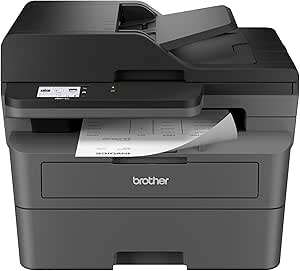
Brother MFC-L2820DW Wireless Monochrome All-in-One Laser Printer
As an affiliate, we earn on qualifying purchases.
Background on Facebook-Centric Reselling Challenges
Many community resellers rely heavily on Facebook groups and Marketplace, often manually listing items across multiple channels. This manual process is time-consuming and prone to errors, which limits scalability. While multi-channel listing tools exist, they tend to treat eBay or Poshmark as the central hub, not Facebook.
Recently, there has been increased interest in developing Facebook-first tools that cater specifically to these sellers. The current initiative involves testing a prototype that simplifies crossposting from Facebook Marketplace to groups and other marketplaces, addressing a notable gap in the market. This approach reflects a broader trend toward tailored solutions for niche reseller communities.
“The MVP aims to take a Facebook Marketplace listing as the source and generate ready-to-paste posts for groups and other channels, saving significant time for resellers.”
— an anonymous researcher
Uncertainties About Adoption and Effectiveness
It is not yet clear how many resellers will adopt this Facebook-first crosslisting tool or how effective it will be in real-world scenarios. The testing phase is ongoing, and results on time savings and usability are still being gathered. Additionally, questions remain about the platform’s scalability and integration with various marketplaces.
Next Steps for Validation and Market Rollout
The next phase involves recruiting ten Facebook-centric resellers to test the MVP, measure time savings, and gather user feedback. Based on these results, developers plan to refine the tool and prepare for a broader rollout. Monitoring adoption rates and user satisfaction will be critical to determine its long-term success.
Key Questions
Who is the target user for this Facebook-first crosslisting tool?
The primary users are community resellers who sell mainly through Facebook groups and Marketplace.
How does the tool work?
It takes a Facebook Marketplace listing as the source and generates ready-to-paste posts for Facebook groups and additional marketplaces, reducing manual re-entry.
When will this tool be widely available?
The current phase is testing; a broader market rollout depends on the validation results from early resellers.
What are the main benefits of using this tool?
It is designed to save time, reduce manual effort, and streamline multi-channel Facebook reselling workflows.
Are there any risks or limitations?
Uncertainties include adoption rates, integration challenges, and whether the tool can handle diverse marketplace requirements effectively.
Source: IdeaNavigator AI