TL;DR

Get business pricing on office and shipping supplies
- Business-only prices and quantity discounts
- Tax-exempt purchasing
- Multiple users, one account, clear invoices
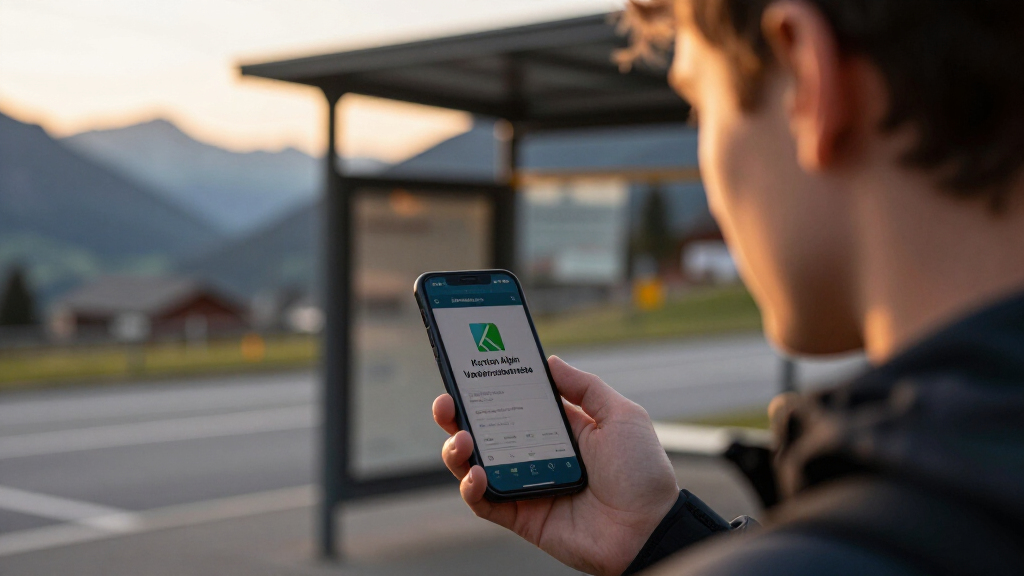
The ‘Kanton Alpin Verkehrsbetriebe’ project showcases an AI-generated, meticulously crafted Swiss transit interface emphasizing precision and Swiss design style. Its development relies entirely on code, with specific focus on real-time SVG clocks and animated departure boards. Key details about the AI’s role and future plans are still emerging.
The ‘Kanton Alpin Verkehrsbetriebe’ project features an AI-generated, code-driven Swiss transit interface that emphasizes precision and minimalist design. Developed as part of a curated exhibition, it showcases an AI’s capability to craft a highly detailed, real-time digital replica of a Swiss alpine railway station, highlighting advances in AI-driven web design and simulation.
The project is built entirely with HTML, CSS, and JavaScript, without external assets or frameworks, ensuring a fully code-based experience. Its core features include a real-time SVG clock modeled after Swiss railway station clocks, a split-flap departure board with animated flipping characters, and a visual language rooted in Swiss International Style—characterized by a monochrome palette, signal red accents, and precise typography. The entire interface is designed to reflect Swiss transit discipline, with all pictograms, maps, and schematics generated via code, emphasizing accuracy and clarity.
According to Thorsten Meyer, the development process involved three detailed phases: initial construction based on strict design principles, a merciless external critique to refine visual and functional clarity, and a final art direction to elevate the aesthetic to a memorable standard. For more details, see the original analysis. The project exemplifies how AI can assist in creating highly disciplined, precise digital interfaces that mimic real-world transit systems, blending artistic design with technical rigor.
Implications of AI-Generated Swiss Transit Design
This project highlights the potential for AI to assist in designing highly disciplined, precise digital representations of real-world systems. Its code-driven approach demonstrates how AI can contribute to creating interfaces that are both aesthetically aligned with specific design philosophies and functionally exact, offering insights into future applications of AI in transit, simulation, and digital architecture. For designers and technologists, it exemplifies a new frontier where AI supports meticulous craftsmanship without external assets, emphasizing the importance of code-based precision in digital experiences.
As an affiliate, we earn on qualifying purchases.
Background and Development of AI-Driven Transit Interfaces
The ‘Kanton Alpin Verkehrsbetriebe’ project is part of a broader collection of 175 AI-crafted websites by Thorsten Meyer, each exploring different artistic and technical themes. This specific project is inspired by Swiss transit aesthetics, particularly the iconic Mondaine clock, and aims to replicate the discipline and precision associated with Swiss transportation systems. The development process involved multiple iterative phases, emphasizing strict adherence to Swiss design principles and technical exactness, with a focus on code-only implementation. The project exemplifies the intersection of AI, web development, and design philosophy, pushing the boundaries of what automated, code-driven interfaces can achieve.
“This project demonstrates how AI can support the creation of highly disciplined, precise digital transit environments, blending artistic intent with technical rigor.”
— Thorsten Meyer
animated split-flap departure board
As an affiliate, we earn on qualifying purchases.
As an affiliate, we earn on qualifying purchases.
Unanswered Questions About AI’s Role and Future Use
It is not yet clear how much autonomy the AI had in the design process versus human oversight. Details about whether the AI generated all visual and structural elements independently or if it primarily assisted in refining human-created frameworks remain undisclosed. Additionally, the future application of this AI-driven approach in real-world transit systems or other domains is still developing, with no official plans announced.
Swiss design style minimalist wall clock
As an affiliate, we earn on qualifying purchases.
As an affiliate, we earn on qualifying purchases.
Next Steps for AI-Enhanced Transit Design Projects
Further exploration is expected into how AI can automate and optimize the design of digital transit environments, possibly extending to real-world applications. The ongoing development of the ‘Kanton’ project and similar initiatives may demonstrate new standards for code-based, AI-assisted design, with future releases potentially revealing more about AI’s capabilities and limitations in this field. Continued critique and refinement by designers and technologists will shape the integration of AI into practical transit and architectural projects.
code-based transit display screens
As an affiliate, we earn on qualifying purchases.
As an affiliate, we earn on qualifying purchases.
Key Questions
How autonomous was the AI in creating the ‘Kanton Alpin Verkehrsbetriebe’ interface?
The extent of AI autonomy remains unclear; current information suggests the AI primarily assisted in generating visual elements and structure, with human oversight guiding the overall design principles.
Can this AI-driven design approach be applied to real-world transit systems?
While the project showcases potential, there are no official plans yet to implement AI-generated designs in operational transit environments. Future developments may explore this possibility.
What makes this project stand out compared to traditional transit interfaces?
Its entirely code-based, AI-assisted creation, strict adherence to Swiss International Style, and real-time, animated features distinguish it from conventional, manually designed systems.
Will we see more AI-designed websites like this in the future?
Likely, as AI tools become more integrated into design workflows, enabling highly disciplined, precise digital environments across various domains.
Source: ThorstenMeyerAI.com
Fall Picks
fall essentials
As an affiliate, we earn on qualifying purchases.