
📊 Full opportunity report: Data processing agreement tracker for micro SaaS teams on IdeaNavigator AI — validation score, market gap, and execution plan.

Get business pricing on office and shipping supplies
- Business-only prices and quantity discounts
- Tax-exempt purchasing
- Multiple users, one account, clear invoices
TL;DR
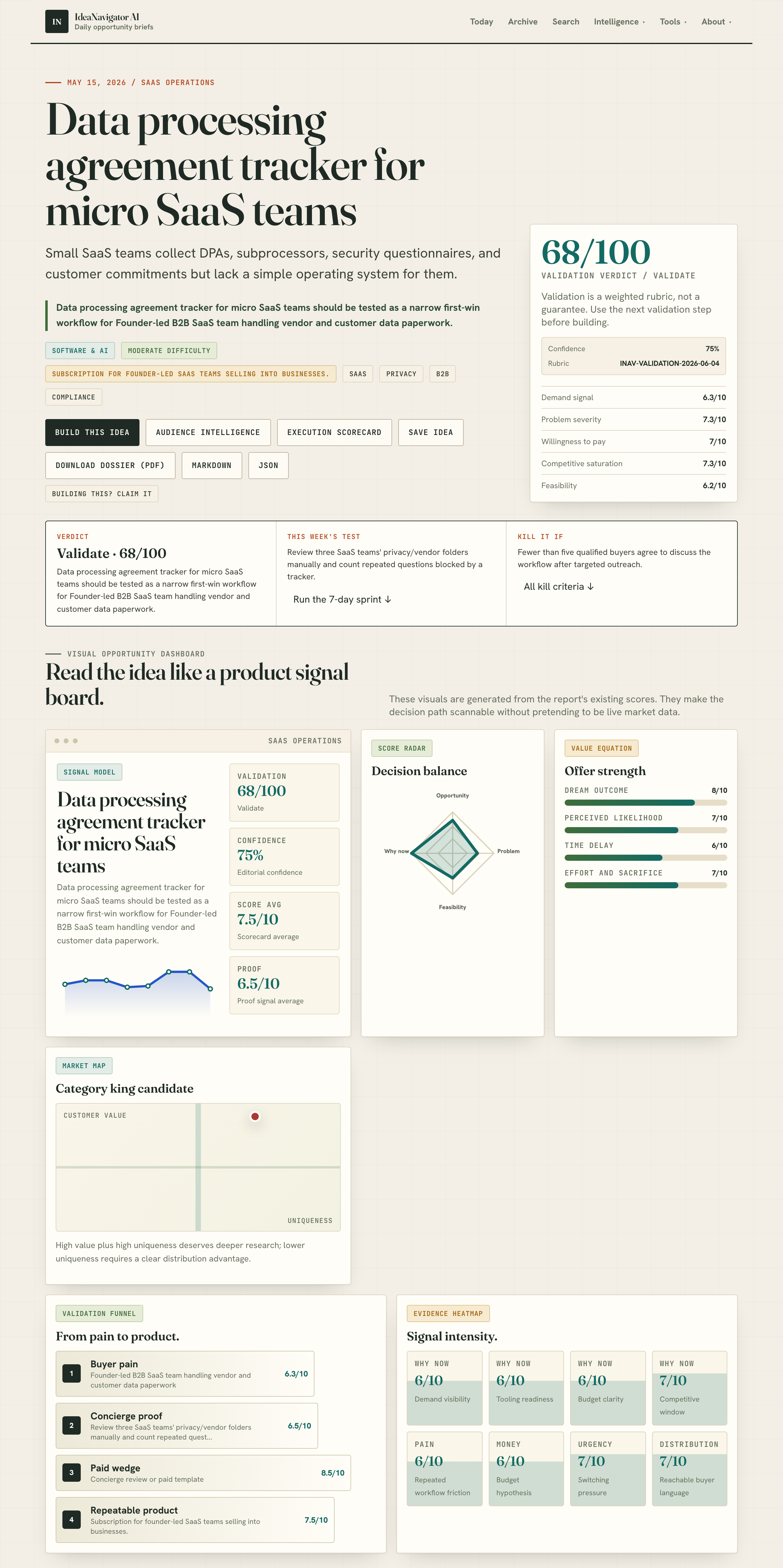
A new data processing agreement (DPA) tracker designed for founder-led micro SaaS teams is in testing. It aims to simplify managing vendor and customer data paperwork amid rising privacy expectations. The development targets small SaaS operations handling compliance documentation.
A new data processing agreement (DPA) tracker tailored for founder-led micro SaaS teams is being tested as a minimal viable product (MVP) to streamline the management of vendor and customer data paperwork, addressing a growing compliance challenge among small SaaS operations.
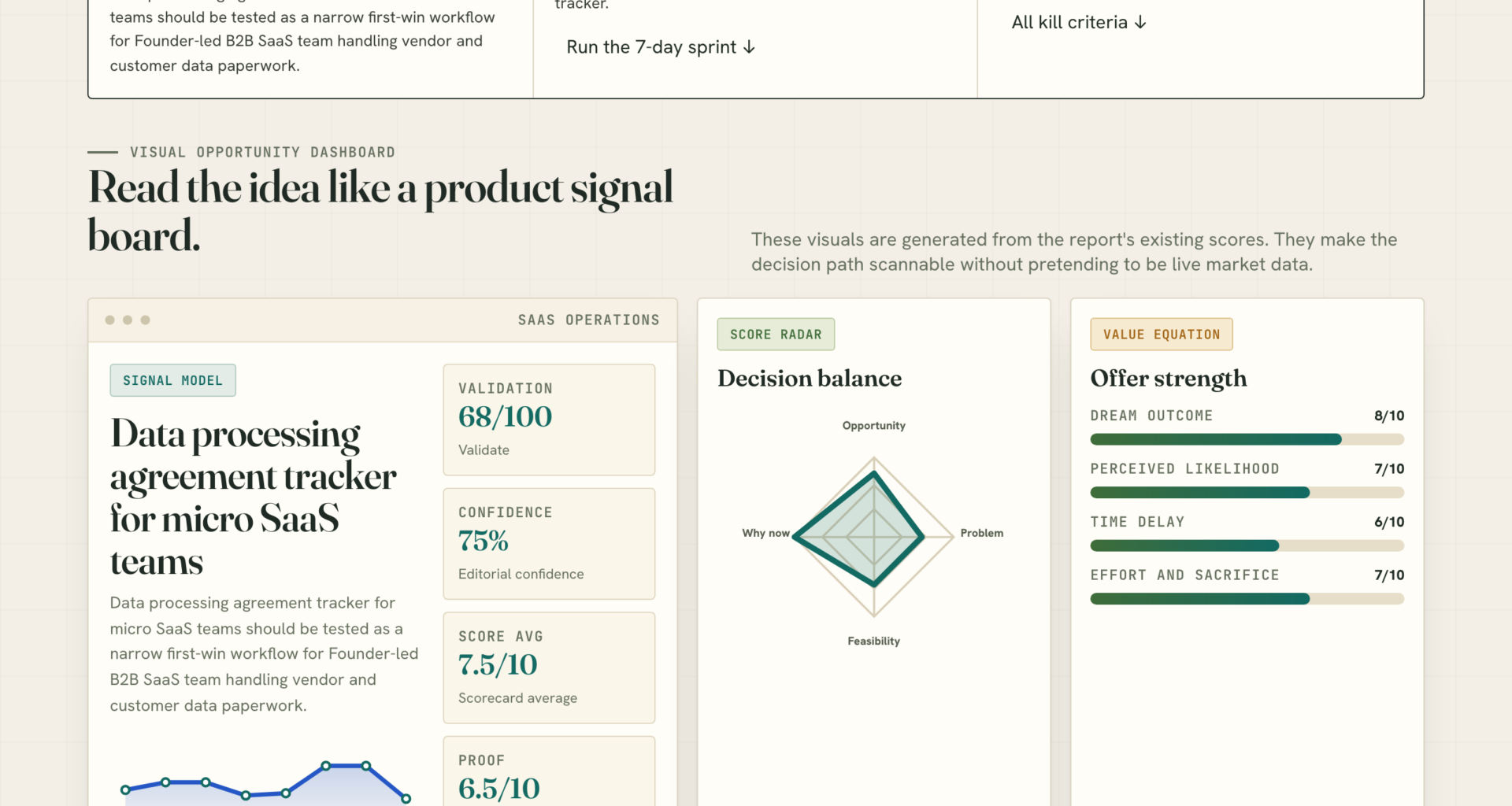
The tracker is designed specifically for small SaaS teams that handle multiple DPAs, subprocessors, security questionnaires, and customer commitments but lack a dedicated system to organize and track these documents. The initial version includes features such as tracking customer, vendor, and subprocessor agreements, renewal dates, clause statuses, and links to source documents.
This development responds to increased privacy and vendor review expectations that now reach smaller SaaS companies earlier in the sales process, creating a need for more efficient compliance management tools. The project is currently in a testing phase, with validation plans involving manual reviews of privacy folders across three SaaS teams to measure effectiveness by counting questions blocked by the tracker.
Implications for Small SaaS Compliance Management
This tracker could significantly reduce the administrative burden on founder-led SaaS teams by providing a simple, centralized operating system for managing privacy and vendor documentation. As privacy regulations tighten and client expectations grow, small SaaS companies need accessible tools to stay compliant without extensive legal resources. Successful deployment could lead to broader adoption among micro SaaS teams, improving their ability to meet regulatory demands efficiently and reducing compliance-related delays or errors.Products Worth Considering

FLEXISPOT Electric Adjustable Workbench, 48 x 30 in, Maple

LG 27UP650K-W 27-inch Ultrafine 4K UHD IPS Monitor with HDR400, Reader Mode, Flicker Safe, HDMI & DisplayPort, Adjustable Stand (White)

Logitech MX Mechanical Wireless Illuminated Keyboard, Tactile Quiet, Graphite
As an affiliate, we earn on qualifying purchases.
Growing Privacy Demands on Small SaaS Companies
Over recent years, privacy regulations such as GDPR and CCPA have increased the compliance requirements for SaaS providers. While larger companies typically have dedicated legal teams, small SaaS teams often handle these tasks manually, leading to inefficiencies. The rise in privacy and security questionnaires from clients and vendors has highlighted the need for better management tools, especially as smaller teams face pressure to demonstrate compliance early in sales cycles.
This project by IdeaNavigator AI aims to fill this gap by creating a lightweight, easy-to-use tracking system tailored for micro SaaS teams, which are often overlooked in compliance tool development.
“Small SaaS teams are collecting a lot of compliance paperwork but lack a simple operating system to manage it effectively.”
— an anonymous researcher
Unconfirmed Details About Tracker Adoption
It is not yet clear how widely the tracker will be adopted among micro SaaS teams or how effective it will be in real-world use. The project is still in testing, and user feedback from the initial validation phase is awaited to determine usability and impact. Additionally, the scalability of the tracker for diverse SaaS models remains to be seen.
Next Steps in Tracker Development and Validation
Following the current testing phase, developers plan to gather feedback from participating SaaS teams to refine features. If successful, a broader rollout and integration with existing SaaS management tools are expected. Further validation will involve measuring reductions in repetitive questions and improved compliance documentation management over the coming months.
Key Questions
What features does the DPA tracker include?
The initial MVP includes tracking of customer, vendor, and subprocessor agreements, renewal dates, clause statuses, and links to source documents.
Who is the target user for this tracker?
Founder-led small SaaS teams handling privacy and vendor documentation without dedicated legal departments.
When will the tracker be available for wider use?
It is currently in testing; a broader release is expected after validation and refinement, likely within the next few months.
How will this tracker improve compliance management?
By providing a centralized, easy-to-update system that reduces repetitive questions and helps track document statuses, it aims to streamline compliance workflows.
Is this solution scalable for larger SaaS companies?
The current focus is on micro SaaS teams; scalability for larger organizations has not yet been confirmed and may require additional features.
Source: IdeaNavigator AI