
If you lack clear policies for shared hardware, security gaps and operational issues are likely to occur. Without layered access controls, authentication, and monitoring, unauthorized users can access sensitive data or misuse equipment. Vague maintenance procedures leave devices vulnerable to failure or cyberattacks. This absence of accountability makes tracking usage and ensuring compliance difficult. To prevent these risks, having well-defined, up-to-date policies is essential. Keep going to discover how to effectively close these policy gaps.

Get business pricing on office and shipping supplies
- Business-only prices and quantity discounts
- Tax-exempt purchasing
- Multiple users, one account, clear invoices
Key Takeaways
- Absence of clear access control policies allows unauthorized use and increases security vulnerabilities.
- Lack of defined maintenance procedures leads to hardware deterioration and potential security risks.
- Inadequate monitoring and auditing hinder tracking device usage and detecting misuse.
- Missing accountability frameworks complicate incident investigation and compliance verification.
- Failure to regularly review and update policies creates gaps exploitable by malicious actors.
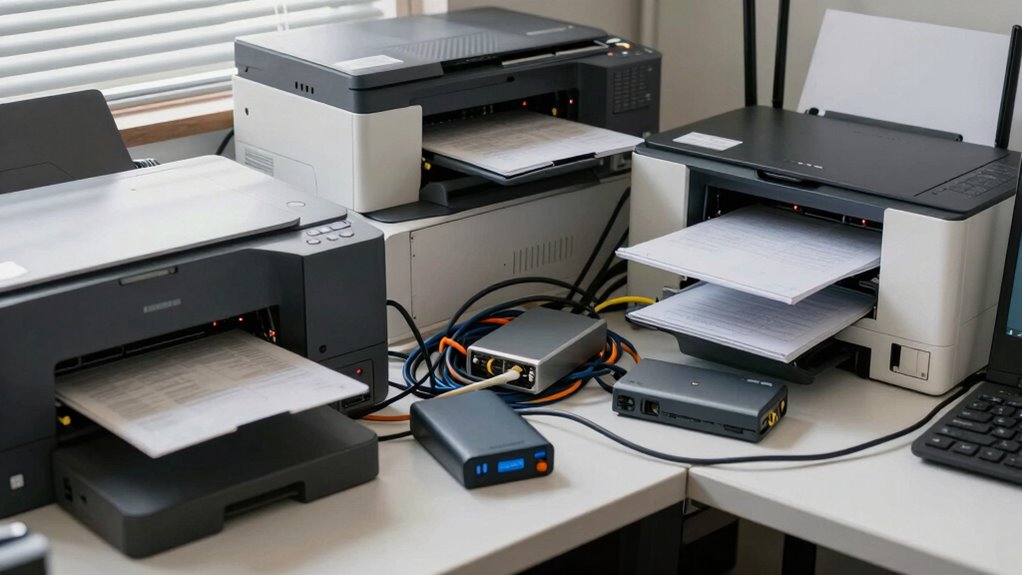
Shared hardware resources are increasingly common in organizations, but despite their widespread use, many policies fail to keep pace with technological advancements. As more companies adopt shared devices like printers, servers, and network equipment, the need for clear, comprehensive policies becomes critical. Without proper guidance, security risks and operational inefficiencies can quickly arise. One of the key issues is the lack of robust access control policies. If you don’t define who can access these shared resources and under what conditions, you leave your organization vulnerable to unauthorized use and potential data breaches. Proper access control isn’t just about passwords; it involves layered permissions, user authentication, and monitoring to ensure only authorized personnel can use specific hardware. Failing to implement these measures can lead to accidental or malicious misuse, which could compromise sensitive information or disrupt operations.
Effective shared hardware management requires layered access controls, authentication, and monitoring to prevent misuse and safeguard sensitive data.
In addition to access control, maintenance protocols are often overlooked in existing policies. Shared hardware requires regular upkeep to remain functional and secure. When maintenance protocols are vague or nonexistent, hardware can become outdated, prone to failure, or vulnerable to security threats. For example, failing to schedule routine updates or security patches can leave devices exposed to cyberattacks. If your organization neglects maintenance, you risk costly downtime, compromised data, and decreased productivity. You need clear procedures for routine inspections, updates, and repairs, along with designated personnel responsible for executing these tasks. Without these protocols, hardware quickly falls into disrepair, and vulnerabilities multiply. Additionally, proper hardware management is essential to ensure compliance with industry standards and best practices. Regular audits and reviews are crucial to identify gaps and adapt policies as technology evolves. Establishing a structured maintenance schedule can significantly enhance hardware longevity and security. Moreover, understanding the importance of technology lifecycle management helps organizations plan for hardware upgrades and disposal in a secure and environmentally responsible manner.
The gap in policies surrounding shared hardware also impacts compliance and accountability. If there’s no formal framework for access control and maintenance, it’s difficult to track who used a device or when it was last maintained. This lack of accountability can hinder investigations if something goes wrong and can lead to inconsistent practices across departments. You should establish audit trails and documentation procedures, so you can verify compliance and quickly identify issues. Regular training on these policies ensures everyone understands their responsibilities, reducing the risk of accidental breaches or neglect. Moreover, training and awareness programs are vital to embed a culture of responsibility and security within the organization. By fostering a well-informed team, organizations can better prevent mishandling of shared hardware and enhance overall security posture.
Ultimately, your organization’s security and efficiency depend on closing the policy gaps related to shared hardware. Implementing strict access control measures and well-defined maintenance protocols helps safeguard sensitive information and maintains hardware performance. Without these policies, shared resources become weak points that can be exploited or fail at critical moments. To stay ahead, you must regularly review and update policies, aligning them with current technology standards and organizational needs. Only then can you ensure that your shared hardware is managed effectively, securely, and reliably.
shared hardware access control system
As an affiliate, we earn on qualifying purchases.
As an affiliate, we earn on qualifying purchases.
Frequently Asked Questions
Who Is Responsible for Managing Shared Hardware Policies?
You are responsible for managing shared hardware policies, guaranteeing hardware accountability and proper policy enforcement. You must establish clear guidelines for hardware use, maintenance, and security to prevent issues. Regularly monitor compliance, address violations promptly, and update policies as needed. By actively overseeing these areas, you help maintain efficient operations, reduce risks, and ensure everyone understands their responsibilities regarding shared hardware.
How Does Unmanaged Hardware Impact Organizational Security?
Unmanaged hardware critically threatens your organization’s security by disrupting the device lifecycle and complicating hardware inventory. When devices aren’t monitored or maintained properly, vulnerabilities emerge, increasing the risk of data breaches or malware attacks. Without clear policies, you lack control over hardware updates, decommissioning, and tracking, leaving your organization exposed. Managing shared hardware ensures better security, accurate hardware inventory, and a streamlined device lifecycle, reducing potential threats.
What Are Common Challenges in Implementing Hardware Policies?
Exploring the maze of hardware policies feels like taming a wild stallion. You face challenges in aligning the hardware lifecycle with organizational goals, ensuring usage compliance, and managing rapid technological changes. Balancing security and flexibility proves tricky, often leading to gaps. Resistance from staff, limited resources, and evolving standards make implementing consistent policies overwhelming, but staying vigilant helps you keep the hardware landscape controlled and secure amidst the chaos.
How Often Should Shared Hardware Policies Be Reviewed?
You should review shared hardware policies at least once a year to guarantee policy updates align with evolving compliance standards. Regular reviews help you identify gaps, adapt to technological changes, and maintain security. If your organization experiences rapid growth or regulatory shifts, consider more frequent evaluations. Staying proactive helps prevent unmanaged hardware issues, ensuring your policies remain effective, compliant, and tailored to current operational needs.
What Tools Can Help Monitor Shared Hardware Usage?
Think of remote monitoring and usage analytics as your security cameras for shared hardware. They help you spot issues early and track usage patterns efficiently. Tools like Nagios, SolarWinds, or PRTG enable real-time monitoring, alerting you to problems instantly. These tools give you clear insights into hardware performance and utilization, ensuring you manage shared resources proactively. With them, you stay connected and informed, preventing hardware from becoming unmanaged chaos.
As an affiliate, we earn on qualifying purchases.
Conclusion
You might not realize it, but this policy gap is quietly shaping your daily tech experience. Just as you reach for shared hardware, the gaps in management and oversight can surprise you, like finding an unexpected note tucked into a book. It’s a reminder that behind every seamless interaction, there’s a web of policies waiting to catch up. Addressing this coincidence could turn shared hardware from a hidden challenge into a shared opportunity.
hardware maintenance management software
As an affiliate, we earn on qualifying purchases.
As an affiliate, we earn on qualifying purchases.
security patches for shared printers
As an affiliate, we earn on qualifying purchases.
As an affiliate, we earn on qualifying purchases.
Halloween Picks
halloween
As an affiliate, we earn on qualifying purchases.