

Clear review cadences beat constant check-ins because they give you a structured, predictable schedule for performance discussions, reducing chaos and frequent interruptions. You’ll find it easier to track progress, set goals, and provide targeted feedback that supports growth. This approach fosters accountability and clarity, making feedback more meaningful and less reactive. If you want to know how establishing regular review cycles can transform your team’s performance, keep going.

Get business pricing on office and shipping supplies
- Business-only prices and quantity discounts
- Tax-exempt purchasing
- Multiple users, one account, clear invoices
Key Takeaways
- Scheduled review cadences foster consistent, focused feedback rather than fragmented, reactive conversations.
- Clear cadences promote proactive discussions aligned with goals, reducing surprises during evaluations.
- Routine check-ins prevent overwhelm and interruptions, creating a stable environment for performance management.
- Structured cadences build trust, accountability, and ongoing dialogue, enhancing employee growth.
- They transform performance reviews into strategic tools, supporting continuous improvement and organizational clarity.
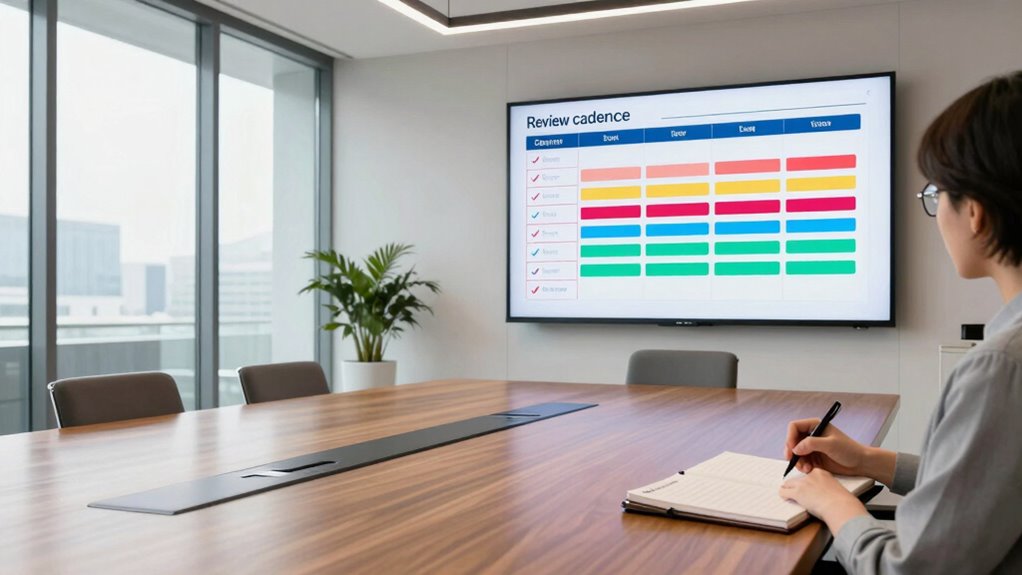
Have you ever wondered how to keep performance discussions consistent and productive? It’s a common challenge in many organizations. Relying solely on constant check-ins can create a chaotic environment where managers and employees feel overwhelmed. Frequent interruptions may seem helpful, but they often lead to fragmented conversations that lack focus. Instead, establishing clear review cadences offers a more structured approach to performance management. When you set up regular, predictable review schedules, it becomes easier to track progress, align goals, and implement effective feedback strategies.
Consistent review cadences provide a rhythm that encourages ongoing dialogue rooted in well-defined performance metrics. Rather than waiting for a crisis or a formal review period, you can engage in smaller, more meaningful conversations throughout the year. This steady flow of feedback helps pinpoint issues early and celebrates successes regularly, preventing any surprises during annual evaluations. *furthermore*, regularity fosters a culture of accountability, where everyone understands when performance will be assessed and feedback delivered, reducing ambiguity and stress.
Regular review cycles promote ongoing, meaningful feedback, early issue detection, and a culture of accountability.
One of the key advantages of clear review cadences is that they streamline your feedback strategies. Instead of sporadic, reactive feedback, you can develop a proactive approach grounded in data and observation. This consistency allows you to give more targeted, constructive input, aligned with specific goals and performance metrics. Over time, employees become accustomed to this routine, making feedback feel less like criticism and more like a collaborative effort to grow. It also helps managers identify patterns—whether someone is excelling or struggling—so they can tailor support accordingly. Additionally, establishing a regular review schedule can improve overall team engagement by providing predictable opportunities for growth discussions. Incorporating consistent review cadences also helps organizations build a culture of continuous improvement, where feedback becomes an integral part of daily work life.
Furthermore, when performance discussions are scheduled at regular intervals, it encourages discipline and preparation. Both managers and employees know what to expect and can come to the table ready to discuss progress, challenges, and next steps. This clarity reduces the tendency for conversations to drift into unrelated topics or become overly subjective. It also enables you to focus on actionable insights, making performance reviews more impactful and aligned with organizational goals.
In essence, adopting a clear review cadence transforms performance management from a reactive process into a strategic tool. It creates a reliable framework where performance metrics are continually monitored, and feedback strategies are consistently applied. This approach not only boosts productivity but also builds trust and engagement, because your team understands that their development is a regular priority, not just a one-time event.
As an affiliate, we earn on qualifying purchases.
Frequently Asked Questions
How Do Review Cadences Influence Team Productivity?
Review cadences directly boost your team’s productivity by providing structured opportunities to assess performance metrics and address challenges. They keep everyone aligned on goals, fostering team engagement and accountability. Unlike constant check-ins, these regular, focused sessions prevent burnout and guarantee continuous progress. With clear review cadences, you create a predictable rhythm that motivates your team, improves communication, and helps you track growth effectively.
What Tools Best Support Regular Review Cycles?
You should prioritize tools that streamline your review cycles, like digital collaboration platforms such as Asana or Trello, which organize tasks efficiently. Pair these with feedback automation features in tools like Slack or Microsoft Teams to keep communication consistent without constant check-ins. These tools create a seamless flow, reducing interruptions and ensuring timely feedback, so your team stays aligned, productive, and adaptable throughout each review cycle.
How Can Managers Ensure Honest Feedback During Reviews?
You can foster honest feedback by creating a safe environment that encourages peer honesty and builds feedback trust. Be transparent about your own feedback, showing vulnerability and openness. Ask specific, non-judgmental questions to guide honest conversations. Recognize and praise transparency when it occurs, reinforcing its value. When team members see honesty is valued and trust is built, they’ll feel more comfortable sharing genuine feedback during reviews.
What Are Common Challenges in Implementing Review Cadences?
Implementing review cadences can feel like steering a ship through choppy waters. You might face challenges like maintaining feedback consistency, where feedback gets lost in the waves, or juggling scheduling flexibility, making it hard to find the right time. These hurdles can cause the process to drift off course. To stay on track, you need clear communication and adaptable schedules that keep the review flow steady and meaningful.
How Do Review Cadences Impact Employee Development?
Review cadences profoundly impact your employee development by fostering performance alignment, ensuring employees understand expectations, and progress. Regularly scheduled reviews create growth opportunities, allowing you to provide timely feedback and support. This consistency helps employees stay motivated, identify areas for improvement, and set achievable goals. Ultimately, clear review cadences build a culture of continuous growth, making development more effective and personalized, compared to sporadic check-ins that can miss essential progress signals.
As an affiliate, we earn on qualifying purchases.
Conclusion
When you embrace clear review cadences, you’re not just staying on top of tasks—you’re orchestrating a symphony of unstoppable momentum. Constant check-ins might seem helpful, but they often drown you in details, stalling progress like quicksand. Clear cadences cut through the noise, turning chaos into clarity. Imagine achieving more in a week than most do in a month—simply because you’ve mastered the art of consistent, strategic reviews. That’s the power of clear review cadences.
As an affiliate, we earn on qualifying purchases.
As an affiliate, we earn on qualifying purchases.
Fall Picks
fall essentials
As an affiliate, we earn on qualifying purchases.