

To make your quarterly planning cadence work, set clear agendas, define roles, and stick to a consistent schedule. Regular check-ins help you reassess objectives, celebrate wins, and adjust priorities quickly, keeping your team aligned and motivated. Use collaboration tools for transparency and accountability. Stay flexible and open to change, allowing your team to respond swiftly to market shifts. Keep improving your process—more tips follow to help embed this rhythm effectively.
Key Takeaways
- Establish a fixed schedule with clear agendas, roles, and expectations to ensure consistency and accountability.
- Break annual goals into quarterly milestones, review progress, and celebrate small wins to maintain motivation.
- Use collaboration tools for documentation, communication, and tracking to facilitate transparency and team alignment.
- Regularly reassess priorities to enable agility, allowing quick pivots in response to market changes or new opportunities.
- Foster a culture of continuous improvement through open feedback, reflection, and adjustments during each review session.

Have you ever wondered how high-performing teams stay aligned and adapt quickly to changing priorities? The secret often lies in effective team alignment through strategic goal setting, and a well-structured quarterly planning cadence plays a critical role in this process. When you establish a regular rhythm for planning, you create opportunities for your team to reassess objectives, address obstacles, and guarantee everyone is working toward shared priorities. This consistency helps prevent drift from your company’s vision and keeps efforts focused and cohesive.
Implementing a quarterly planning cadence means setting aside dedicated time every few months to review progress and adjust plans accordingly. During these sessions, team members come together to discuss what’s working, what’s not, and what changes are needed to stay on track. This frequent check-in fosters transparency and open communication, which are essential for maintaining team alignment. When everyone understands the current priorities and how their individual contributions fit into the bigger picture, motivation and accountability naturally improve.
Regular check-ins enhance transparency, foster open communication, and strengthen team alignment for sustained success.
Goal setting becomes more effective when it’s integrated into this cadence. Instead of setting vague or overly ambitious yearly goals, you break down objectives into manageable, measurable milestones that can be reviewed quarterly. These milestones serve as checkpoints to gauge progress and make necessary course corrections. The act of revisiting goals frequently keeps your team energized and engaged, as they see tangible progress and can celebrate small wins along the way. Furthermore, quarterly planning encourages realistic goal setting, as you can better anticipate potential barriers and resource needs based on recent performance and data.
The rhythm of quarterly planning also promotes agility. When priorities shift due to market changes or new opportunities, your team can pivot swiftly because they’re used to regular reassessment. This flexibility ensures your team remains aligned with overarching business objectives, even amid uncertainty. You’ll find that this cadence minimizes last-minute chaos and enables proactive problem-solving, rather than reactive firefighting. Incorporating measurement of progress allows teams to track their success more precisely and stay motivated.
To make quarterly planning work for your team, establish clear agendas, define roles, and set expectations upfront. Use collaboration tools to keep everyone on the same page and document decisions for future reference. Consistency is key—if you stick to your schedule, your team will learn to anticipate these planning sessions as an essential part of their workflow. Over time, this routine builds a culture of continuous improvement, where team alignment and goal setting become second nature. With a disciplined quarterly planning cadence, your team will stay synchronized, adaptable, and driven toward shared success.
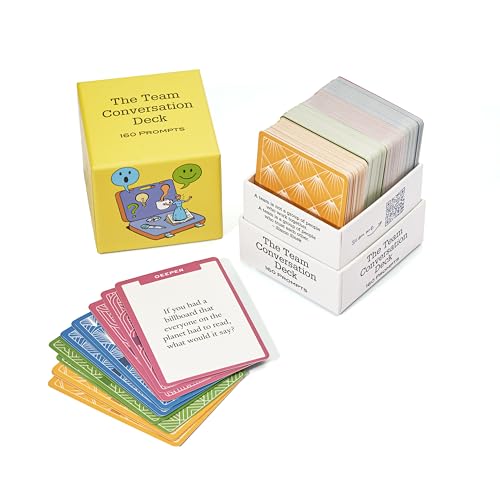
Leader Tools 160 Team Building Cards for Managers – Build Trust & Improve Team Performance – 4 Categories from Light Icebreakers to Strategic Team Questions – for Meetings, 1-on-1s & Team Offsites
100% Work-Safe, Zero Pre-Screening Needed – Every card tested with real teams across all hierarchy levels. No awkward…
As an affiliate, we earn on qualifying purchases.
As an affiliate, we earn on qualifying purchases.
Frequently Asked Questions
How Do I Adapt Quarterly Planning for Remote Teams?
To adapt quarterly planning for remote teams, you should prioritize virtual collaboration by using effective digital tools and clear communication channels. Set expectations for team accountability, ensuring everyone understands their roles and deadlines. Schedule regular check-ins to track progress and adjust plans as needed. Foster transparency and engagement by encouraging open discussions. This approach keeps remote teams aligned, motivated, and focused on shared goals throughout the quarter.
What Tools Best Support Quarterly Planning Cadence?
Think of the right tools as your navigational stars; they guide your quarterly planning with clarity. Use visual collaboration platforms like Miro or MURAL to map out ideas and strategies, keeping everyone aligned. Combine these with goal tracking apps like Asana or Jira to monitor progress seamlessly. These tools turn your planning into a well-orchestrated symphony, ensuring your remote team stays on course and hits every milestone with precision.
How Can I Measure Quarterly Planning Effectiveness?
You can measure your quarterly planning effectiveness by tracking performance metrics like goal achievement rates and project milestones. Additionally, assess stakeholder engagement through surveys and feedback sessions to see how involved and aligned everyone feels. Regularly reviewing these metrics helps you identify areas for improvement. By actively monitoring both performance metrics and stakeholder engagement, you guarantee your planning process stays efficient, focused, and responsive to team needs.
What Are Common Pitfalls in Quarterly Planning?
You might face pitfalls like neglecting team accountability or poor resource allocation, which can derail your quarterly planning. If you don’t clearly assign responsibilities, your team may lack ownership, leading to missed goals. Additionally, misjudging resource needs results in bottlenecks or wasted effort. To avoid these issues, make certain accountability is woven into your plan and allocate resources wisely, fostering a disciplined approach that keeps everyone aligned and moving forward.
How Do I Align Quarterly Plans With Long-Term Goals?
Think of your quarterly plans as stepping stones across a river toward your long-term vision. To keep them aligned, you need clear vision alignment, so every step moves you closer to your ultimate goal. Engage stakeholders early and often—they’re your compass, guiding you through shifting currents. Regular check-ins guarantee your plans don’t drift away from your vision, helping you stay steady and focused on the horizon ahead.

Project Planner Notepad – Project Management Organizer Desk Pad – Manage Project Tasks and Meeting Deadlines Effectively – 50 Sheets of Premium 120gsm Paper | Management | A4 Mono
Comprehensive Project Planning: Plan for success with a dedicated project timeline and task sections to track milestones and…
As an affiliate, we earn on qualifying purchases.
As an affiliate, we earn on qualifying purchases.
Conclusion
Just as Da Vinci’s brushstrokes brought masterpieces to life, your quarterly cadence can transform chaos into clarity. Embrace this rhythm, refine your process, and watch your goals come into focus. Remember, the secret isn’t just in planning, but in the consistency of your efforts. With each quarter, you’re not just ticking boxes—you’re crafting your own masterpiece. Stay committed, adapt as needed, and let your vision unfold, one deliberate step at a time.

Goal Planning Notepad – A5 Goal Setting Journal For Project Action Plan,Task Management, Personal Development & Track Goals. Productivity Notepad For Daily Work & School – 54 Sheets
GOAL PLANNING NOTEPAD – The Goal setting notebook features a highly effective template that will help you to…
As an affiliate, we earn on qualifying purchases.
As an affiliate, we earn on qualifying purchases.

BIGASUO 10.1" Digital Calendar, Smart Touchscreen Interactive Display, Electronic Organizer for Monthly, Weekly & Daily Agenda, Chore Chart, Meal Planner, To Do List, Family Schedules, Picture Frame
【Now Available: Version R-1.5.0】: Access new and enhanced features — including Tasks, Rewards, Meals, and Photos — by…
As an affiliate, we earn on qualifying purchases.
As an affiliate, we earn on qualifying purchases.