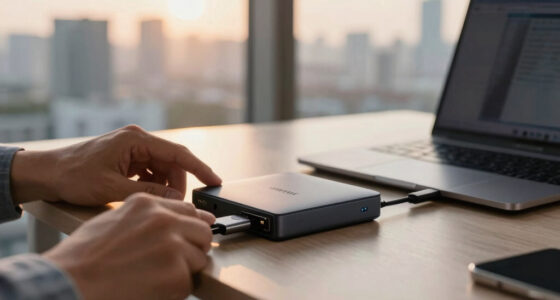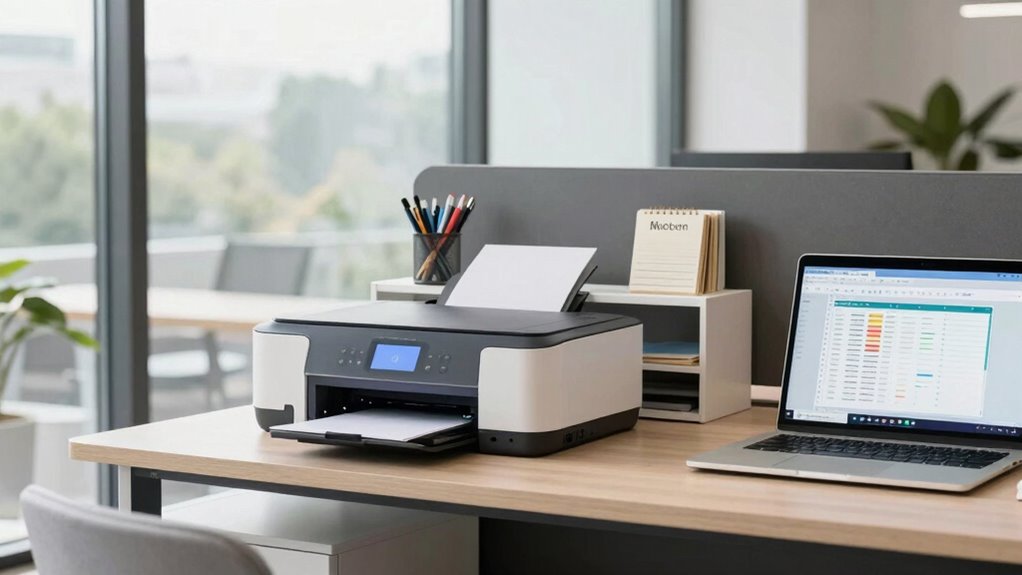

To write a smarter office equipment standard, start by prioritizing ergonomic design to guarantee comfort and reduce strain for users. Incorporate energy efficiency by selecting Energy Star-rated devices and implementing smart power management. Make sure your policies support adaptability with modular, multifunctional equipment that can grow with your organization. Emphasize sustainable practices through proper disposal and maintenance, and clearly communicate these standards to staff. Continue exploring these strategies to create a more responsible, efficient, and flexible workspace.

Get office and shipping supplies delivered free — and shop member deals
- Fast, free delivery on millions of items
- Access to Prime Big Deal Days deals on October 6–7
- Prime Video, Amazon Music and more included
Key Takeaways
- Define clear criteria emphasizing ergonomic design, energy efficiency, adaptability, sustainability, and policy compliance.
- Incorporate guidelines for selecting eco-friendly, energy-efficient, and modular equipment supporting future growth.
- Establish policies for responsible usage, maintenance, and disposal aligned with sustainability standards.
- Promote staff awareness and training on ergonomic practices and energy-saving procedures.
- Regularly review and update standards to incorporate technological advancements and evolving sustainability goals.
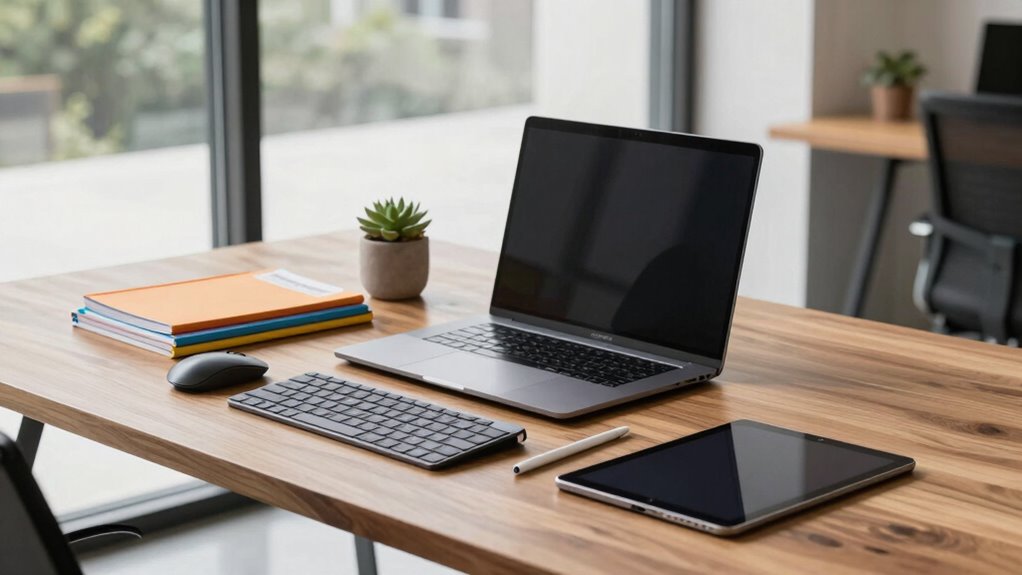
Creating a smarter office equipment standard starts with understanding the importance of efficiency, sustainability, and adaptability in your workplace. When you establish guidelines that prioritize these factors, you set the foundation for a more productive and environmentally responsible environment. One of the critical aspects to consider is ergonomic design. Guaranteeing that your office equipment promotes comfort and reduces strain can considerably enhance employee well-being and productivity. Choose desks, chairs, and peripherals that support proper posture, and encourage staff to adjust their setups regularly. Ergonomic design isn’t just about comfort; it minimizes the risk of repetitive strain injuries, which can lead to costly absences and decreased efficiency. Additionally, incorporating ergonomic principles into your standards can further improve overall workspace health and safety.
Alongside ergonomic considerations, energy efficiency plays an essential role in creating a smarter standard. When selecting office equipment, prioritize devices that consume less power without sacrificing performance. Look for Energy Star-rated printers, computers, and copiers, as they are designed to reduce energy consumption during use and standby modes. Implementing smart power management practices, like automatic shutdowns or scheduled power-offs, can further cut down utility costs and reduce your company’s carbon footprint. Educating your team on these practices ensures everyone understands how small actions contribute to larger sustainability goals. Incorporating energy-efficient devices can also motivate your team to adopt more sustainable habits, reinforcing your organization’s commitment to environmental responsibility. Regularly updating your standards to include emerging energy-saving technologies ensures your office remains at the forefront of eco-friendly practices. Staying informed about sustainable innovations can help your organization continuously improve its environmental impact and operational efficiency.
As you develop your standard, think about adaptability—how easily equipment can evolve with your workplace’s needs. Opt for modular systems that allow upgrades instead of replacements, and choose devices with versatile features that support multiple functions. This flexibility prevents unnecessary waste and aligns with your sustainability objectives. When you’re making purchasing decisions, consider not only the current requirements but also future growth and technological advancements. This forward-thinking approach helps your organization stay agile and minimizes the need for frequent equipment overhauls.
Finally, establish clear policies around equipment usage, maintenance, and disposal. Regular maintenance extends the lifespan of your devices, ensuring peak performance and energy efficiency. When it’s time to replace equipment, follow eco-friendly disposal or recycling practices to reduce environmental impact. Communicating these standards to your team fosters a culture of responsibility and sustainability, making your office more resilient and aligned with best practices. By integrating ergonomic design, energy efficiency, and adaptability into your standard, you create an environment that supports both your employees and your organization’s long-term goals.
Energy Star rated office printers
As an affiliate, we earn on qualifying purchases.
As an affiliate, we earn on qualifying purchases.
Frequently Asked Questions
How Often Should Office Equipment Standards Be Reviewed?
You should review office equipment standards at least annually to guarantee they align with equipment lifespan and maintenance schedules. Regular reviews help identify outdated devices, optimize performance, and maintain safety. If your equipment undergoes frequent updates or changes in technology, consider more frequent reviews—biannual or quarterly. Staying proactive ensures your standards support efficiency, reduce downtime, and extend equipment life, ultimately saving costs and improving workplace productivity.
Who Should Be Involved in Developing the Standard?
You should involve a diverse mix of stakeholders—vendor reps, environmental experts, and end-users—when developing your standard. Don’t forget to prioritize vendor collaboration and sustainability criteria; after all, who better to shape eco-friendly, cost-effective policies than those who make and use the gear? By engaging these experts, you guarantee the standard is practical, sustainable, and vendor-aligned, saving everyone headaches—and the planet—down the line.
How Do Standards Impact Equipment Procurement Costs?
Standards substantially impact your equipment procurement costs by promoting cost reduction and quality assurance. When you establish clear standards, you prevent overspending on unnecessary features and ensure you buy reliable, durable equipment. This reduces maintenance and replacement costs over time. Plus, adhering to standards helps you negotiate better deals, streamline procurement processes, and ensure that your office invests in quality equipment that meets your operational needs efficiently.
What Are Common Challenges in Implementing Standards?
You’ll face challenges like ensuring equipment compatibility and maintaining clear protocols. Resistance to change can slow adoption, while inconsistent standards may cause compatibility issues. Additionally, establishing effective maintenance protocols requires coordination across teams. To overcome these hurdles, communicate benefits clearly, involve stakeholders early, and regularly review standards. Staying flexible and providing training helps staff adapt, making it easier to implement standards smoothly and sustainably.
How Can Staff Be Trained on New Equipment Standards?
You can train staff on new equipment standards by providing hands-on sessions focused on proper equipment maintenance. Encourage staff feedback during training to identify challenges and clarify procedures. Use clear manuals and visual aids to reinforce learning, and schedule regular refresher courses. This approach guarantees staff understand the standards, promotes efficient equipment use, and helps maintain peak performance across the office.
As an affiliate, we earn on qualifying purchases.
Conclusion
By crafting a smarter office equipment standard, you’re channeling the foresight of pioneers like Edison, who envisioned innovations before they arrived. Remember, a well-structured standard isn’t just a set of rules—it’s your blueprint for efficiency and sustainability. Embrace this process with the same curiosity and resilience that fuels progress. In doing so, you’ll not only modernize your office but also light the way for a future where smarter equipment empowers every task.
As an affiliate, we earn on qualifying purchases.
smart power management devices for office
As an affiliate, we earn on qualifying purchases.
As an affiliate, we earn on qualifying purchases.
Halloween Picks
halloween
As an affiliate, we earn on qualifying purchases.