

To find your breakeven point, you need to divide your fixed costs by the contribution margin per unit (selling price minus variable costs). This gives you the minimum sales volume required to cover all expenses. Once you reach this level, every additional sale starts earning profit. Understanding your breakeven point helps you set realistic sales goals and make informed decisions. Exploring further will reveal how to adjust your strategies to improve profitability.
Key Takeaways
- Calculate fixed costs and determine the contribution margin per unit (selling price minus variable cost).
- Use the formula: Breakeven Point (units) = Fixed costs / Contribution margin per unit.
- Identify the sales volume needed to cover all fixed and variable costs.
- Adjust sales targets based on changes in costs or prices to maintain profitability.
- Regularly review the breakeven point to ensure financial stability and guide decision-making.

Have you ever wondered how a business determines the point where it starts making a profit? This is where breakeven analysis comes into play, giving you a clear picture of when your revenues cover all your expenses. At its core, breakeven analysis involves calculating the breakeven point—the sales level at which total costs equal total revenue. To do this effectively, you need to understand the principles of cost volume analysis and how they tie into your overall profit planning. Cost volume analysis helps you see how changes in sales volume impact your costs and profits, making it essential for accurate breakeven calculations. By analyzing fixed costs, variable costs, and sales prices, you can identify the exact sales volume needed to avoid losses and start generating profit.
Profit planning is integral to this process because it allows you to set targets and develop strategies to reach your breakeven point and beyond. When you know your breakeven point, you can better forecast how many units you need to sell or what revenue level you must achieve to cover all your costs. This insight helps you make informed decisions about pricing, cost control, and sales efforts. For example, if your fixed costs are high, you’ll need to sell more units to break even, which might prompt you to explore ways to reduce fixed expenses or increase sales volume. Conversely, understanding your variable costs per unit helps you identify how much each additional sale contributes toward covering fixed costs and generating profit.
Calculating the breakeven point involves a straightforward formula: dividing fixed costs by the contribution margin per unit—that’s the selling price minus variable cost per unit. This calculation provides you with a specific sales volume figure, which acts as a benchmark for your business. Once you reach this point, each additional sale adds to your profit, so knowing it helps you set realistic goals and monitor progress. It also encourages you to revisit your cost volume analysis regularly since fluctuations in costs or prices can shift your breakeven point, affecting your profit planning strategies.

Casio DM-1200BM – Business Desktop Calculator with Cost/Sell/Margin & Tax Keys | Extra-Large 12-Digit Display, Kickstand | Ideal for Office & Finance Use
EXTRA-LARGE 12-DIGIT DISPLAY – Clear, easy-to-read screen enhances visibility for fast, accurate data entry—ideal for finance, accounting, and…
As an affiliate, we earn on qualifying purchases.
As an affiliate, we earn on qualifying purchases.
Frequently Asked Questions
How Does Variable Cost Impact Breakeven Point?
Variable costs directly affect your breakeven point by lowering your contribution margin per unit. When variable costs increase, your contribution margin decreases, meaning you need to sell more to cover fixed costs. Conversely, lower variable costs boost your contribution margin, reducing the number of units you must sell to reach breakeven. So, controlling variable costs helps you manage your breakeven point more effectively and improve profitability.
Can Breakeven Analysis Be Applied to Service Industries?
Yes, you can apply breakeven analysis to service industries by focusing on fixed and variable costs related to service delivery. It helps you determine the sales volume needed to cover expenses, guiding your service industry strategies. Prioritizing customer satisfaction is essential, as it influences repeat business and revenue. Understanding your breakeven point allows you to set realistic goals, optimize operations, and ensure profitability while maintaining high standards of service quality.
What Are Common Mistakes in Calculating Breakeven Points?
You might overlook fixed costs or misestimate pricing strategies, leading to errors in calculating breakeven points. Common mistakes include ignoring variable costs, using inaccurate data, or not updating fixed costs regularly. You should also be cautious about setting prices too low or too high, which skews the analysis. Always double-check your assumptions and verify your data reflects current costs and pricing strategies to get an accurate breakeven point.
How Often Should a Business Recalculate Its Breakeven Point?
You should recalculate your breakeven point regularly, especially when your profit margin or fixed costs change substantially. Doing this helps you stay aware of how shifts in expenses or pricing impact your profitability. Typically, reviewing your breakeven analysis quarterly or whenever you notice major cost fluctuations ensures you make informed decisions, maintain healthy profit margins, and adjust your strategies proactively to keep your business on track.
What Tools or Software Assist in Breakeven Analysis?
You can use break even software or cost volume analysis tools to make breakeven calculations easier and more accurate. Many software options, like QuickBooks or Excel with dedicated templates, help you analyze costs and sales data efficiently. Don’t worry about complexity; these tools simplify the process, saving you time and reducing errors. They’re essential for quick, reliable breakeven analysis, so you can focus on making informed business decisions.
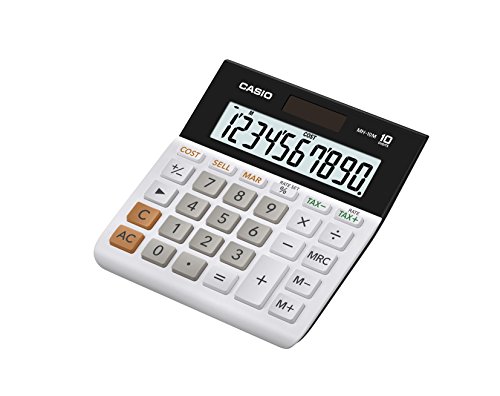
Casio MH-10M Desktop Calculator – Large 10-Digit Display | Cost/Sell/Margin & Tax Functions | Ideal for Home & Office Use
EXTRA-LARGE 10-DIGIT DISPLAY – Clear, oversized screen allows for easy viewing of multi-digit numbers, reducing input and reading…
As an affiliate, we earn on qualifying purchases.
As an affiliate, we earn on qualifying purchases.
Conclusion
Understanding breakeven analysis helps you make smarter financial decisions. Did you know that 60% of small businesses fail to reach their breakeven point within the first year? By knowing exactly when your revenue covers costs, you can plan better and avoid surprises. Keep analyzing your data regularly, and you’ll stay on top of your finances. Mastering this skill guarantees your business remains sustainable and profitable in the long run.
Spreadsheet Dashboards for Small Business KPIs & Templates: Track Cash Flow, Sales, Marketing, Profit, and Operations in Spreadsheets
As an affiliate, we earn on qualifying purchases.
As an affiliate, we earn on qualifying purchases.

Survey of Accounting
As an affiliate, we earn on qualifying purchases.
As an affiliate, we earn on qualifying purchases.