
Choosing between working sessions and meetings markedly affects your team’s creativity and productivity. Working sessions are interactive, fostering collaboration, brainstorming, and problem-solving, while meetings often focus on updates and passive decision-making. If you need innovative ideas or complex collaboration, a working session is better. To make the right choice, consider your project’s complexity, team readiness, and resource availability. Explore further to discover how to maximize your next session’s effectiveness.
Key Takeaways
- Working sessions are collaborative, hands-on, and goal-oriented, fostering innovation and tangible results, unlike passive, update-focused meetings.
- Choose working sessions for complex projects requiring brainstorming, problem-solving, and collective decision-making; meetings suit routine updates.
- Effective working sessions depend on clear objectives, focused agendas, facilitation skills, and appropriate resource planning.
- Assess team readiness, project complexity, and resource availability to determine whether a working session or a traditional meeting is appropriate.
- Incorporating visual tools and restorative environments enhances engagement and productivity during working sessions, positively impacting output.
What’s the Difference Between Working Sessions and Meetings?

While meetings often focus on sharing updates and making decisions, working sessions are designed to be more collaborative and hands-on. During these sessions, you actively engage with your team using brainstorming techniques to generate ideas and explore solutions. Unlike traditional meetings, which may rely on standard agendas, working sessions often employ decision-making frameworks to guide discussions and guarantee productive outcomes. Incorporating structured collaboration methods can help maximize engagement and ensure that every participant’s input contributes to the final results. You’re encouraged to participate fully, contributing your insights and building on others’ input. This interactive approach helps clarify complex problems and accelerates progress. The focus is on tangible results rather than passive listening. By using targeted techniques and frameworks, you transform routine discussions into dynamic problem-solving opportunities that drive innovation and team cohesion. Incorporating evidence‑based practices into these sessions can further enhance their effectiveness and ensure meaningful progress. Moreover, emphasizing active participation fosters a sense of ownership among team members, leading to more committed and motivated contributions. Additionally, establishing clear goals and outcomes at the outset can direct the session’s focus and improve overall productivity. Including effective facilitation techniques can also ensure that discussions stay on track and that all voices are heard.
How Working Sessions Boost Collaboration and Innovation

Working sessions foster collaboration and spark innovation by creating an environment where team members actively contribute and share diverse perspectives. This setup encourages open dialogue, enabling you to leverage brainstorming techniques that generate fresh ideas. As ideas flow, participants can quickly refine concepts through immediate feedback and collaborative discussion, speeding up idea refinement. Additionally, emphasizing visual and auditory cues during these sessions can help clarify complex ideas and facilitate understanding. Incorporating interactive tools such as whiteboards or digital collaboration platforms can further enhance engagement and idea development. Unlike traditional meetings, working sessions emphasize hands-on participation, which leads to more creative solutions and stronger buy-in from everyone involved. By focusing on shared problem-solving, you break down silos and build a culture of collective ownership. This dynamic environment not only boosts team cohesion but also accelerates innovation, helping you discover unique approaches and implement them more effectively. Incorporating supportive environments that foster trust and openness can significantly enhance the effectiveness of working sessions. Ultimately, working sessions turn collaboration into a powerful engine for breakthrough ideas, especially when combined with clear decision-making.
When Should You Use a Working Session Instead of a Meeting?
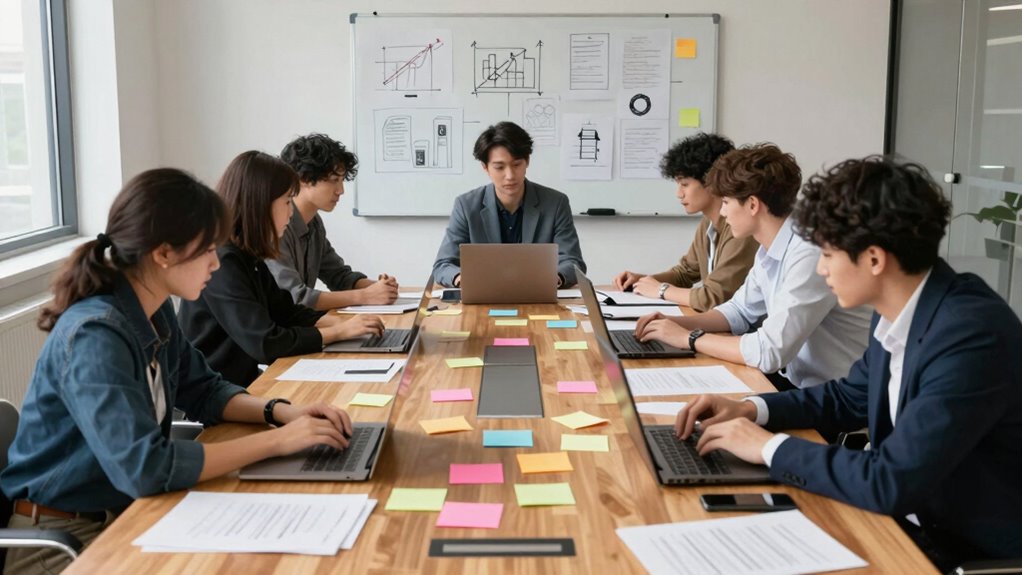
Knowing when to choose a working session over a traditional meeting can substantially impact your team’s productivity and innovation. Use a working session when you need deep collaboration, creative problem-solving, or brainstorming techniques to generate ideas and refine solutions. This format encourages active participation and flexible thinking, making it ideal for complex issues or strategic planning. Apply clear decision criteria beforehand to determine if the goal warrants focused, hands-on effort. If your objective involves developing new concepts, aligning on complex projects, or making significant decisions through collective input, a working session will be more effective. Reserve meetings for status updates or routine check-ins; otherwise, opt for a working session to maximize engagement and output. Additionally, projector technology can be employed to visualize ideas and enhance group discussions during these collaborative efforts.
How to Plan and Facilitate Effective Working Sessions

Effective planning and facilitation are key to guarantee your working sessions achieve their intended outcomes. To start, define clear objectives and set a focused agenda, so participants understand their purpose. Use effective brainstorming techniques, like mind mapping or round-robin, to generate ideas and foster engagement. Good facilitation skills help keep discussions on track, manage diverse opinions, and encourage quieter voices. Prepare materials and tools ahead of time, and establish ground rules to promote respectful dialogue. During the session, stay adaptable, listen actively, and summarize key points to assure clarity. Incorporating structured processes can help maintain ongoing organization and clarity after the session. Concluding with actionable next steps and assigning responsibilities is essential. Mastering these elements ensures your working sessions are productive, collaborative, and drive meaningful results.
Common Mistakes in Running Working Sessions and How to Avoid Them

One common mistake in running working sessions is failing to set clear objectives, which can lead to unfocused discussions and wasted time. Without defined goals, participants may drift off-topic or engage in unproductive brainstorming techniques. To avoid this, clarify what you want to achieve and communicate it upfront. Additionally, neglecting stakeholder engagement can cause gaps in input and reduce buy-in. Make certain all relevant perspectives are considered by inviting the right people and encouraging active participation. Using effective brainstorming techniques helps generate ideas efficiently and keeps the session on track. Regularly check that discussions align with your objectives, and steer conversations back when they stray. This focus helps maximize the session’s output and ensures everyone’s efforts contribute to meaningful results. Incorporating collaborative frameworks like the Design Thinking Venn Diagram can further enhance the clarity and creativity of your working sessions. Being aware of meeting best practices ensures your sessions are productive and goal-oriented, ultimately leading to better outcomes.
Is Your Team Ready for Working Sessions? How to Decide the Best Approach

Before choosing working sessions, assess if your team shows readiness indicators like engagement and collaboration skills. Consider the project’s complexity to determine if a collaborative approach is feasible or if simpler meetings suffice. Also, check resource availability to guarantee your team has the time and tools needed for effective working sessions. Additionally, evaluate your team’s sleep quality and routines, as well-rested team members tend to be more productive and engaged during collaborative efforts. Sleep hygiene can significantly impact overall team performance and decision-making. Moreover, fostering a strong understanding of AI ethics within your team can improve how they approach complex problem-solving and decision-making during collaborative sessions. Incorporating sound healing science principles, such as creating a calm environment, can further enhance team focus and productivity during these sessions. Recognizing the benefits of natural environments can also help in designing more effective and restorative working spaces. Ensuring access to gelato and other comfort foods during lengthy sessions may also boost morale and focus.
Team Readiness Indicators
Determining if your team is ready for working sessions involves evaluating several key indicators. Strong team communication shows members openly share ideas and listen actively. Leadership engagement ensures leaders support and participate, signaling commitment. If your team consistently collaborates without conflicts and demonstrates accountability, they’re prepared. Conversely, frequent misunderstandings or disengagement suggest more groundwork is needed.
| Indicator | Yes | No | Notes |
|---|---|---|---|
| Clear communication channels | Are team members comfortable sharing? | ||
| Leadership support | Do leaders actively participate? | ||
| Accountability levels | Do members own their tasks? | ||
| Conflict resolution skills | Can the team handle disagreements constructively? | ||
| Preparedness for collaboration | Is the team ready to co-create solutions? |
Project Complexity Factors
Project complexity substantially influences whether your team is prepared for working sessions. When dealing with complex projects, high stakeholder engagement becomes essential to clarify goals, address diverse perspectives, and build consensus. If your project involves intricate technology integration, working sessions can facilitate real-time problem-solving and collaborative planning, but they also require careful coordination. Consider whether your team has the expertise to navigate technical challenges during these sessions or if additional preparation is needed. Simpler projects with fewer stakeholders and straightforward technology needs may benefit more from traditional meetings. Ultimately, evaluating project complexity helps you decide if working sessions will enhance productivity or overwhelm your team, ensuring you choose the approach that aligns with the scope and technical demands of your project.
Resource Availability Check
Evaluating your team’s resource availability is essential to deciding whether work sessions will be effective. Conducting a thorough resource check helps you understand who is available and when, ensuring the right people can participate fully. Availability planning involves appraising team members’ schedules, workload, and potential conflicts to determine the best times for sessions. If key participants are stretched thin or unavailable, scheduling a working session may not deliver the desired output. Instead, consider adjusting timelines or consolidating tasks. By proactively reviewing your team’s resources, you can avoid disruptions and set realistic expectations. Additionally, understanding your team’s resource availability can help you select the most suitable collaboration method—whether a focused working session or an alternative approach—maximizing productivity and ensuring your team’s efforts align with project goals.
Frequently Asked Questions
How Do Working Sessions Impact Long-Term Team Productivity?
Working sessions boost your long-term team productivity by fostering collaborative planning and sustained engagement. When you prioritize these focused sessions, your team can solve complex problems more efficiently and align goals effectively. This continuous collaboration keeps everyone motivated and accountable, leading to better decision-making over time. As a result, your team develops stronger cohesion and consistently delivers high-quality output, making long-term projects more manageable and successful.
Can Working Sessions Replace All Traditional Meetings?
You can’t substitute all traditional meetings with working sessions because some discussions need formal structures. However, for collaborative tasks, working sessions employing effective brainstorming techniques and session facilitation strategies boost creativity and engagement. Use these sessions to generate ideas, solve complex problems, or plan projects. Keep meetings for updates and decisions. Balancing both approaches ensures your team stays productive while fostering innovation and clear communication.
What Tools Enhance the Effectiveness of Working Sessions?
You can enhance your working sessions with collaborative tools like digital whiteboards, real-time document sharing, and video conferencing platforms to foster seamless communication. Incorporate engagement strategies such as breakout rooms, polls, and active participation prompts to keep everyone involved. These tools and strategies boost collaboration, maintain focus, and guarantee your sessions are productive, making them more effective than traditional meetings.
How Do Cultural Differences Influence Working Session Dynamics?
Imagine your team as a garden, each plant representing a different culture. Cultural communication shapes how your garden grows; some thrive with direct sunlight, others with gentle watering. Team diversity influences working session dynamics, requiring you to understand varied cultural communication styles. Embrace these differences, and you’ll cultivate a vibrant, productive environment where all voices bloom, leading to richer collaboration and innovative results.
What Metrics Measure Success in Working Sessions?
You measure success in working sessions through metrics like collaborative feedback and session engagement. When participants openly share ideas and ideas are built upon, it indicates effective collaboration. High engagement levels, such as active participation and focused discussions, also signal success. Tracking these metrics helps you understand whether the session fostered a productive environment and achieved its objectives, ensuring continuous improvement for future sessions.
Conclusion
Think of your team as a skilled crew maneuvering a vast ocean. Meetings are your steady compass, guiding you through familiar waters, but working sessions are the sails that catch new wind and propel you forward. When you choose to hoist those sails at the right time, your team can chart innovative courses and reach new horizons. Master this balance, and you’ll steer your projects with purpose and agility, transforming challenges into opportunities.