

Silent brainstorming helps you include everyone’s ideas by reducing the influence of loud voices and dominance in meetings. It allows quieter team members to share their thoughts freely and encourages diverse, creative solutions. This approach promotes equal participation and reduces groupthink, leading to better innovation. Using structured techniques and digital tools, you can foster a more inclusive environment. If you want to discover effective strategies to implement silent brainstorming, keep exploring how it can transform your team discussions.
Key Takeaways
- Silent brainstorming reduces dominance of loud voices, ensuring all participants have equal opportunity to contribute ideas.
- It fosters inclusivity by encouraging input from introverts and quieter team members often overshadowed in traditional meetings.
- Digital tools like Miro or Trello facilitate anonymous or independent idea sharing, promoting unbiased and diverse input.
- Implementing silent brainstorming can prevent groupthink and enhance creative solutions through independent thinking.
- Clear guidelines and structured processes maximize effectiveness, making silent brainstorming a strategic move to improve meeting outcomes.

Questioneering: The New Model for Innovative Leaders in the Digital Age
As an affiliate, we earn on qualifying purchases.
As an affiliate, we earn on qualifying purchases.
What Is Silent Brainstorming and How Does It Work?

Have you ever wondered if there’s a way to generate ideas without the noise of group discussions? Silent brainstorming offers that solution. It involves individuals working independently to develop their ideas without immediate input from others. You might start with a technique like mind mapping, where you visually connect ideas around a central concept, helping to organize your thoughts clearly. Alternatively, you can use idea clustering, grouping related ideas together to see patterns and relationships. This process encourages free thinking without interruption or influence from external voices, leading to more authentic insights. Once your ideas are developed, you can share them with the group, creating a more balanced and productive discussion. Silent brainstorming allows you to harness your creativity in a focused, noise-free environment. Incorporating local automation and smart devices can further streamline your idea development process by reducing manual tasks and distractions, especially when utilizing tools that support digital collaboration. Additionally, integrating energy-efficient cloud solutions can enhance the sustainability of your brainstorming sessions by providing reliable and eco-friendly digital infrastructure. Using innovative techniques, such as timed quiet periods, can also boost focus and idea quality during silent sessions. Moreover, leveraging smart energy management can optimize the environment for concentration, making your silent sessions even more effective.
anonymous idea sharing software
As an affiliate, we earn on qualifying purchases.
As an affiliate, we earn on qualifying purchases.
Why Do Loud Voices Dominate Meetings: and Why Is That a Problem?

While silent brainstorming promotes thoughtful idea development, many meetings are dominated by loud voices that overshadow quieter participants. This happens because of power dynamics, where those with more confidence or authority tend to speak up more often. Vocal dominance skews the conversation, making it seem like the loudest voices represent the best ideas, even if they’re not. It discourages contributions from introverted or less assertive team members, limiting diversity of thought. When a few voices control the discussion, important perspectives get lost. This imbalance hampers creativity and leads to groupthink, where only dominant opinions shape decisions. As a result, meetings become less inclusive, and innovative ideas may never surface. Recognizing this issue is the first step toward creating a more equitable and productive environment. Addressing power dynamics can help ensure all voices are heard and valued.
mind mapping software for teams
As an affiliate, we earn on qualifying purchases.
As an affiliate, we earn on qualifying purchases.
How Silent Brainstorming Boosts Creativity and Inclusivity

Silent brainstorming encourages everyone to share ideas equally, preventing dominant voices from overshadowing others. It sparks diverse perspectives, leading to more creative solutions. Plus, it reduces groupthink, helping your team consider options without pressure or bias. Additionally, employing effective communication strategies during brainstorming sessions can further enhance participation and idea generation. Creating a calmer workspace can also help participants feel more comfortable sharing their thoughts openly. Incorporating modern kitchen technology principles, like smart collaboration tools, can streamline this process and foster innovation. Incorporating environmental factors such as proper ventilation considerations from related fields can also improve comfort and focus during sessions.
Encourages Equal Participation
Silent brainstorming naturally levels the playing field by giving everyone an equal opportunity to share ideas without the influence of dominant personalities. This method promotes inclusive engagement, ensuring all voices are heard. Here’s how it encourages equal participation:
- It removes social pressures, so introverts feel comfortable contributing.
- It minimizes the influence of loud voices that might overshadow others.
- It allows quieter team members to develop ideas without interruption.
- It fosters a safe space where diverse perspectives flourish. Simple systems can support ongoing participation and help maintain a calm, organized environment conducive to open idea sharing. Additionally, implementing structured processes ensures that all contributions are valued equally and encourages sustained involvement. Incorporating natural pool filtration systems can also create a more relaxed environment that encourages open communication, much like well-designed culinary setups that promote optimal flow and efficiency in the kitchen. Integrating connected home fitness technology can further enhance collaborative brainstorming by providing real-time feedback and data, fostering a more interactive and engaging atmosphere.
Sparks Diverse Ideas
By removing the dominance of louder voices, silent brainstorming creates a space where diverse ideas can flourish. This approach enhances creative collaboration by empowering all participants to contribute unique perspectives. When everyone feels heard, idea generation becomes richer and more innovative. To visualize this, consider the following:
| Quiet Thinkers | Diverse Perspectives | Innovative Outcomes |
|---|---|---|
| Individual input | Varied backgrounds | Fresh solutions |
| Focused reflection | Broader viewpoints | Creative breakthroughs |
| Equal opportunity | Inclusive environment | Collective success |
Silent brainstorming encourages participants to share ideas without interruption, fostering inclusivity and expanding creative horizons. This method leverages inclusive communication to ensure that every voice contributes meaningfully, thereby tapping into a broader spectrum of insights, boosting overall creativity and producing more diverse, effective solutions. Incorporating equal opportunity in discussions helps create an environment where all ideas are valued, which further enhances the benefits of this technique. Additionally, understanding the importance of collaborative environments can help organizations create supportive spaces where innovation thrives. Promoting equitable participation ensures that every contributor’s voice is recognized, further enriching the collective creative process.
Reduces Groupthink
Groupthink often stifles innovation by encouraging conformity and discouraging dissenting ideas. Silent brainstorming techniques help reduce this issue by promoting independent thinking and equal participation. Here’s how it impacts team dynamics:
- Encourages diverse input—everyone contributes without influence from dominant voices.
- Minimizes peer pressure—participants feel free to share unconventional ideas.
- Fosters inclusivity—quiet team members have space to voice their thoughts.
- Breaks down groupthink—by removing the loudest voices, teams consider a broader range of ideas.
- Additionally, integrating diverse perspectives from varied backgrounds can further enhance creative outcomes and prevent uniform thinking. Incorporating cultural awareness into team activities can also promote understanding and innovative collaboration.
– Incorporating best anime movies into team-building activities can inspire creativity and cultural awareness among members.
Using these brainstorming techniques, you can create a more open environment where creativity thrives, and all team members feel valued. Silent brainstorming directly counters conformity, boosting innovation and collaborative strength.
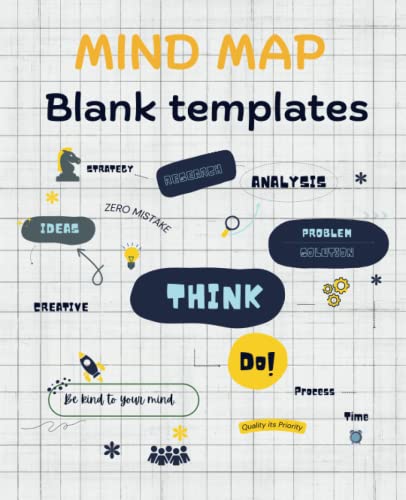
Mind Map Blank Templates: 7.5 x 9.25 Inch, 4 Styles of Mind Mapping Template for your class notes, brainstorming, planning, and creative ideas
As an affiliate, we earn on qualifying purchases.
As an affiliate, we earn on qualifying purchases.
How to Start Using Silent Brainstorming in Your Team

To start using silent brainstorming with your team, you should first set clear guidelines to guarantee everyone understands the process. Then, choose reliable digital tools that facilitate idea sharing without interrupting the flow. With these steps in place, your team can generate ideas more effectively and inclusively.
Set Clear Guidelines
Establishing clear guidelines is essential to guarantee your team understands how to participate effectively in silent brainstorming sessions. Without structure, idea generation and decision making can become chaotic or unproductive. To set a strong foundation, consider these steps:
- Define the purpose and goals clearly so everyone knows what you’re aiming for.
- Set a time limit for idea submission to keep momentum high.
- Specify the format for sharing ideas, whether written notes or digital boards.
- Encourage respectful silence, ensuring all voices are heard equally.
Use Digital Tools
Wondering how to implement silent brainstorming effectively? Digital tools make it simple to foster remote innovation and boost digital collaboration. Choose platforms like Miro, Trello, or Google Jamboard to facilitate idea sharing without voice. These tools allow everyone to contribute simultaneously, reducing bias and encouraging creativity. To get started, set up a shared workspace, define clear instructions, and give your team a set time to brainstorm silently. Encourage anonymity if needed to promote honest input. Here’s a quick overview:
| Tool | Feature | Benefit |
|---|---|---|
| Miro | Virtual whiteboard | Visual collaboration |
| Trello | Card-based organization | Easy idea tracking |
| Google Jamboard | Real-time editing | Seamless remote innovation |
| Slack | Integrated chat | Instant feedback |
| Microsoft Teams | Collaboration integration | Streamlined communication |
Using digital tools empowers your team to innovate quietly, efficiently, and inclusively.
Top Tools and Platforms for Silent Brainstorming Sessions
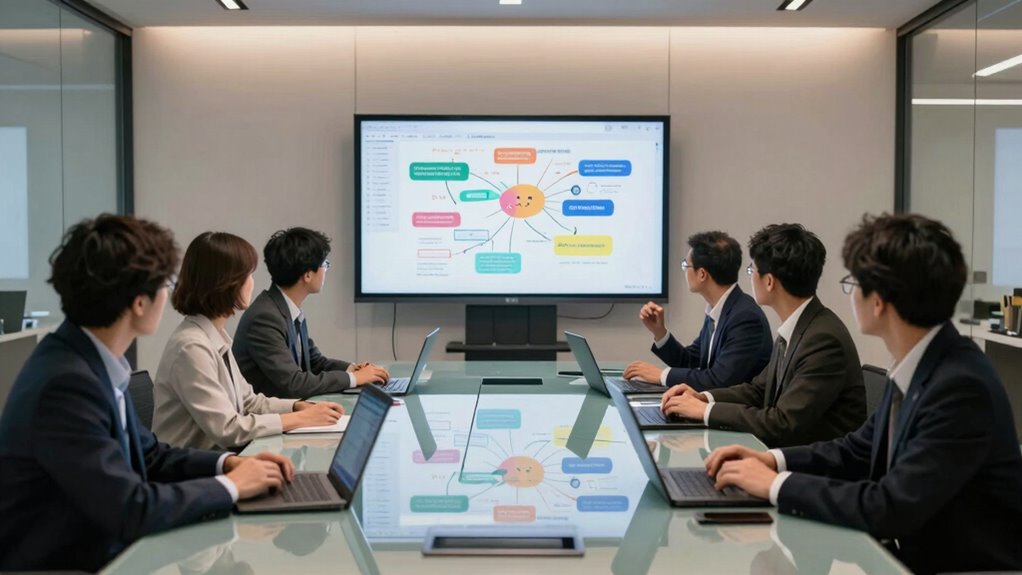
Silent brainstorming sessions rely on specialized tools and platforms that enable you to generate ideas independently without immediate group discussion. These tools often incorporate features like mind mapping to organize thoughts visually or provide creative prompts to spark inspiration. To help you get started, here are four top platforms:
Silent brainstorming tools like mind mapping and prompts foster independent idea generation without immediate discussion.
- Miro – Supports collaborative mind mapping and visual idea organization.
- Stormboard – Combines sticky notes, templates, and creative prompts for idea generation.
- MindMeister – Focuses on easy-to-use mind mapping for structuring concepts silently.
- Ideanote – Facilitates idea collection with prompts and group feedback, all in a quiet environment.
These tools streamline your silent brainstorming process, making idea development efficient and engaging.
Common Challenges When Adopting Silent Brainstorming: and How to Overcome Them

Adopting silent brainstorming can present several challenges, especially if you’re used to traditional, discussion-based methods. One common issue is managing group dynamics, as participants may feel hesitant to share ideas without immediate feedback. This can lead to uneven participation and a lack of engagement. Additionally, concerns about idea ownership can arise; some team members might worry their contributions won’t be recognized or valued. To overcome these challenges, set clear guidelines that encourage equal participation and emphasize the importance of each contribution. Use anonymous input tools to minimize bias and foster a safe environment where everyone feels comfortable sharing. Regularly remind your team that all ideas are valuable, helping to build trust and promote a collaborative atmosphere.
Tips for Facilitating Effective Silent Brainstorming Meetings

To facilitate effective silent brainstorming meetings, clear structure and guidance are essential. You need to set the stage with specific instructions to guarantee everyone participates fully. Here are four tips to improve your sessions:
- Define clear objectives – outline what ideas you’re seeking to generate.
- Use structured brainstorming techniques – like mind maps or prompts to stimulate creativity.
- Encourage equal participation – remind team members that quiet reflection is crucial for diverse input.
- Set time limits – keep momentum high and prevent overthinking, maintaining dynamic team interactions.
How Silent Brainstorming Reduces Groupthink and Sparks Innovation

When team members reflect individually before sharing ideas, silent brainstorming minimizes the influence of dominant voices that often lead to groupthink. This approach encourages groupthink mitigation by giving everyone equal opportunity to contribute, preventing the loudest voices from steering the discussion. As a result, you’re more likely to see a broader range of ideas, boosting idea diversity. Without immediate judgment or influence, team members feel freer to suggest innovative solutions they might withhold in traditional meetings. This reduction in conformity promotes creative thinking and opens space for unconventional ideas. Over time, this process sparks innovation because it cultivates an environment where diverse perspectives are valued and explored, leading to better problem-solving and fresh insights that might otherwise be suppressed.
How to Measure Success in Silent Brainstorming Initiatives

Measuring the success of silent brainstorming initiatives involves evaluating both the quality and quantity of ideas generated, as well as their impact on problem-solving. To do this effectively, consider these key indicators:
- Quantitative metrics: Track the number of ideas submitted, diversity of contributions, and participation rates.
- Qualitative feedback: Gather insights from team members about the clarity, creativity, and relevance of ideas.
- Implementation rate: Measure how many ideas are acted upon or develop into tangible solutions.
- Problem resolution effectiveness: Assess whether issues are resolved more efficiently post-initiative.
Is Silent Brainstorming Right for Your Team? When and Who Should Use It?

Determining if silent brainstorming is suitable for your team depends on your goals and team dynamics. If you want to boost participant engagement and encourage idea diversity, it can be highly effective. Silent methods work best when your team includes introverted members or when you need fresh perspectives without groupthink. Use silent brainstorming for complex problems that benefit from thorough reflection or when traditional meetings tend to be dominated by loud voices. It’s ideal for teams that value equal participation and want to gather a wide range of ideas. However, if quick decision-making is required or your team thrives on spontaneous discussion, this approach might be less effective. Assess your team’s communication style and goals to determine if silent brainstorming will enhance collaboration and creativity.
Frequently Asked Questions
Can Silent Brainstorming Be Effective for Large Teams?
Yes, silent brainstorming can be effective for large teams. It encourages individual contribution without the influence of group dynamics, allowing everyone’s ideas to be heard equally. By reducing dominance from loud voices, it fosters a more inclusive environment where introverted team members can share insights. This method promotes diverse perspectives, enhances creativity, and guarantees that all ideas are considered, making it a powerful tool even for bigger groups.
How Long Should Silent Brainstorming Sessions Last?
You should aim for silent brainstorming sessions lasting about 15 to 30 minutes, as this duration helps maintain focus without causing fatigue. Keep session durations within these limits to guarantee productivity and creativity. Consider adjusting the frequency based on your team’s needs—weekly or bi-weekly sessions work well for ongoing idea generation. Longer sessions may lead to diminishing returns, so stick to these duration limits for ideal results.
Is Silent Brainstorming Suitable for All Types of Meetings?
Like a chameleon adapting to its environment, silent brainstorming suits many meetings, but not all. If your team faces tight creative constraints or needs rapid idea validation, it excels by fostering inclusive input and minimizing bias. However, for highly dynamic or emotionally charged discussions, it might fall short. You should consider your meeting’s goals and team dynamics before choosing silent brainstorming to ensure it’s the right fit.
What Are Common Mistakes to Avoid During Silent Brainstorming?
You should avoid groupthink pitfalls by encouraging diverse ideas and resisting the urge to conform. Suppress dominance by ensuring everyone has equal opportunity to share thoughts, preventing loud voices from overshadowing quieter members. Don’t rush the process or dismiss ideas prematurely. Instead, create a safe space for all contributions. By doing so, you foster genuine creativity and prevent common silent brainstorming mistakes that hinder effective collaboration.
How Do You Encourage Participation in Silent Sessions?
To encourage participation in silent sessions, you should promote anonymous participation, so everyone feels comfortable sharing ideas without judgment. Create an environment that values creative quiet, emphasizing that all contributions are welcome, no matter how small. Use prompts or visual cues to spark ideas, and remind participants that silence is a tool for fresh thinking. This approach helps even the quietest voices contribute, enriching the overall creative process.
Conclusion
Embracing silent brainstorming is like turning on a fresh breeze in your meetings—it clears out the noise and invites new ideas to flow freely. By giving everyone a voice and reducing groupthink, you create a more inclusive, innovative environment. So, give it a try and see how it transforms your team’s creativity. Just like a spark ignites a flame, silent brainstorming can ignite fresh insights you never thought possible.