
A RAID log is a simple yet powerful tool that helps you track risks, assumptions, issues, and dependencies throughout your project. It keeps you proactive by highlighting potential problems early, assigning responsible parties, and maintaining clear communication with stakeholders. Regularly updating and reviewing the log prevents surprises and keeps your project on track. If you want to master this straightforward system and avoid common pitfalls, there’s more to discover below.
Key Takeaways
- RAID logs systematically track risks, issues, assumptions, and dependencies to identify potential problems early.
- Regular updates and reviews ensure the log remains current, helping prevent surprises during project execution.
- Clear assignment of responsibilities in the RAID log promotes proactive risk mitigation and issue resolution.
- Categorizing and prioritizing entries helps focus on critical risks, reducing unexpected project disruptions.
- Using RAID logs as a central communication tool enhances stakeholder transparency and project alignment.

Recipe Notebook: A great recipe book to write in and capture all your cooking secrets, Professional Log Book to Record your Essential Recipes, Aromatherapy logbook, Blank Recipe Book
As an affiliate, we earn on qualifying purchases.
As an affiliate, we earn on qualifying purchases.
What Is a RAID Log and Why Is It Essential for Project Success

A RAID log is a simple yet powerful project management tool that helps you track Risks, Assumptions, Issues, and Dependencies throughout your project. It’s essential for effective risk management, enabling you to identify potential problems early and develop strategies to address them. By maintaining detailed project documentation within the RAID log, you create a clear record of uncertainties and challenges, making it easier to communicate with stakeholders and keep everyone aligned. The log acts as a central reference point, ensuring you don’t overlook critical factors that could impact your project’s success. Using a RAID log consistently helps you stay proactive, control project variables, and reduce surprises, ultimately increasing your chances of delivering your project on time and within scope. Additionally, incorporating project management tools like RAID logs can streamline your workflow and improve overall project visibility. Moreover, leveraging cloud-based solutions for RAID logs can enhance collaboration and ensure real-time updates across distributed teams.

Practice Standard for Project Risk Management
Used Book in Good Condition
As an affiliate, we earn on qualifying purchases.
As an affiliate, we earn on qualifying purchases.
How to Set Up Your RAID Log Effectively

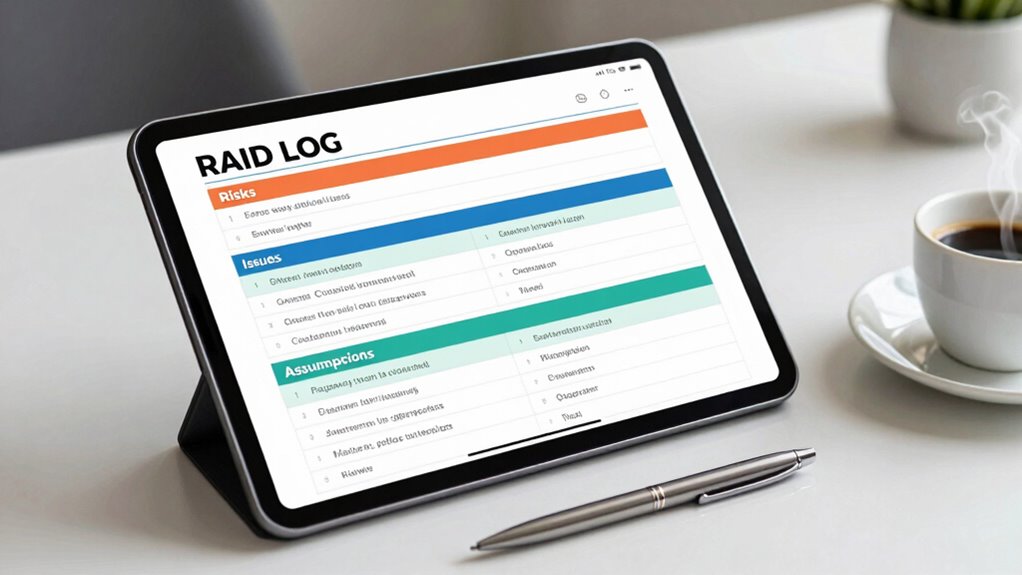
Setting up your RAID log effectively starts with choosing a practical format that suits your project’s scale and complexity. Use a clear, organized layout to track risks, issues, assumptions, and dependencies efficiently. Prioritize risk mitigation by including specific actions and responsible team members for each risk. Engage stakeholders early by ensuring they can easily review and update the log, fostering transparency and collaboration. Keep entries concise but detailed enough to identify potential impacts and solutions. Regularly update your RAID log to reflect new insights and developments, which helps prevent surprises. Incorporating smart home automation features can further enhance proactive project management by providing real-time alerts and adaptive responses. A well-structured RAID log enhances stakeholder engagement, keeps everyone aligned, and ensures you’re proactively managing project challenges. This simple setup forms the backbone of effective project tracking, especially when ergonomics and workspace layout are optimized to support team members’ productivity and comfort. Additionally, understanding vetted wave and wind conditions can help anticipate external factors that might influence your project timeline or risks. Being aware of the body piercing measurements and materials used can also inform risk assessments related to allergies or sensitivities, thereby improving project safety planning.
collaborative RAID log tool
As an affiliate, we earn on qualifying purchases.
As an affiliate, we earn on qualifying purchases.
What Risks, Issues, Assumptions, and Dependencies Should You Track
To make certain your RAID log provides meaningful insights, you need to track the most critical risks, issues, assumptions, and dependencies that could impact your project scope and stakeholder communication. Focus on risks that threaten project deliverables or timelines, and issues that could hinder progress. Record assumptions about resources, technology, or stakeholder support that might change, affecting your project scope. Dependencies, like external vendors or key decisions, should also be monitored, as delays here can ripple through your schedule. Keep an eye on stakeholder communication channels to quickly identify emerging concerns or misunderstandings. Tracking these elements helps you proactively address potential roadblocks, ensuring your project stays aligned with its scope, and stakeholders remain informed and engaged.
project issue tracking spreadsheet
As an affiliate, we earn on qualifying purchases.
As an affiliate, we earn on qualifying purchases.
Best Practices for Maintaining and Updating Your RAID Log
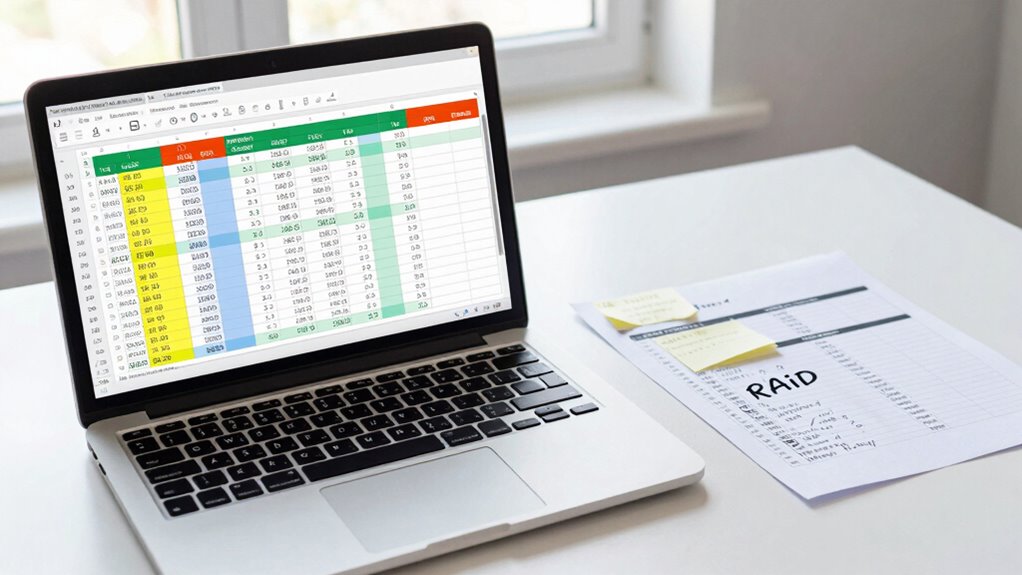
To keep your RAID log effective, you need to review entries regularly to catch new issues and track progress. Make sure you assign clear responsibilities so everyone knows their roles in managing risks and actions. Additionally, update risk responses as conditions change to stay prepared for potential challenges. Regularly reviewing cookies and consent helps maintain user trust and compliance with privacy policies. Incorporating craftsmanship principles into your review process can also enhance the accuracy and usefulness of the log. Applying risk management techniques ensures your tracking system remains reliable and proactive in addressing emerging issues. Understanding the food science behind cooking can provide additional insights for refining your risk assessments and action plans. Embracing sound engineering concepts can further optimize the effectiveness of your risk mitigation strategies.
Regularly Review Entries
How often should you review your RAID log to keep it effective? Regular reviews—weekly or biweekly—help ensure risks are identified early, issues are addressed, and opportunities are seized. During these reviews, conduct a thorough risk assessment to determine if any new risks have emerged or if existing risks have escalated. Clear, current entries improve stakeholder communication, so everyone stays informed and aligned. Updating your RAID log consistently prevents surprises and keeps your project on track. Don’t wait until a problem surfaces; proactive review allows you to adjust plans promptly. Making reviewing a routine part of your project management process supports effective organization, and you’ll maintain a clear, accurate picture of your project’s health at all times. Incorporating regular data review into your routine ensures that the log remains a reliable tool for decision-making and risk mitigation. Regular updates also facilitate timely intervention, helping to mitigate potential issues before they escalate.
Assign Clear Responsibilities
Have you clearly defined who is responsible for updating each section of your RAID log? Assigning clear responsibilities enhances team collaboration and makes certain of accountability. When everyone knows their role, updates happen consistently, and nothing slips through the cracks. Engage stakeholders early, clarifying who oversees risks, assumptions, issues, and dependencies. This avoids confusion and promotes ownership across your project team. Use a shared platform or document to assign tasks explicitly, so team members can easily see their duties and deadlines. Regularly review responsibilities during team meetings to reinforce accountability and adapt roles if needed. Clear responsibility assignments foster proactive communication, making it easier to keep the RAID log current and effective. This approach minimizes surprises and keeps your project on track. Understanding the importance of tool usage can greatly improve your project management process. Additionally, leveraging support resources like templates or guides can streamline the process and ensure consistency across projects. Incorporating training and ongoing education on RAID log best practices can further enhance team effectiveness and accuracy. Recognizing the value of consistent updates ensures your RAID log remains a reliable source of project insights and risk mitigation.
Update Risk Responses
Keeping your RAID log current requires more than just updating risks; it also involves actively managing and revising risk responses as circumstances change. Regularly review your response planning to ensure it remains effective in mitigating risks. If new information emerges or conditions shift, adapt your risk mitigation strategies accordingly. This proactive approach helps prevent surprises and keeps your project on track. Updating risk responses might mean refining mitigation actions, adding contingencies, or reallocating resources. By consistently revisiting and adjusting your responses, you strengthen your overall risk management efforts. Remember, effective response planning is a dynamic process that must evolve with your project’s needs. Staying vigilant ensures your RAID log remains a reliable tool for preventing issues before they escalate. Incorporating practical tools like load‑planning or checklists from reliable sources can further support your response updates.
How to Use Your RAID Log to Prevent Surprises and Keep Projects on Track

To keep your project on track, make sure you update your RAID log regularly so you have an accurate picture of potential issues. Prioritizing risks and issues helps you address the most critical ones first, reducing surprises down the line. Staying proactive with your updates guarantees you’re always prepared to handle challenges before they escalate.
Regularly Update Your RAID
Are you regularly updating your RAID log to stay ahead of potential issues? Consistent updates ensure your team communication remains clear and everyone is aligned on project status. By reviewing and adjusting your RAID entries frequently, you can spot emerging risks or opportunities early. This proactive approach helps you allocate resources effectively, preventing bottlenecks or resource overloads. Make it a habit to schedule regular reviews with your team, encouraging open discussion about new risks or changes. Updating your RAID log keeps it relevant and accurate, serving as a reliable reference point for decision-making. When everyone stays informed and engaged, surprises are minimized, and your project stays on track. Regular updates are the key to turning your RAID log into a powerful project management tool.
Prioritize Risks and Issues
Prioritizing risks and issues in your RAID log is essential for preventing surprises and keeping your project on track. Start with a thorough risk evaluation to identify which threats could substantially impact your project’s success. Focus on high-impact, high-likelihood risks first, so you can allocate resources effectively. When issues arise, escalate them promptly to the appropriate stakeholders, ensuring they receive immediate attention. Use your RAID log to categorize risks and issues by severity and urgency, making it easier to determine priorities. Regularly review and update these priorities based on new information or changing project conditions. By systematically evaluating risks and escalating issues as needed, you maintain control and prevent small problems from escalating into major setbacks. Understanding risk management helps you make better decisions faster and with fewer blind spots. Incorporating analytical thinking into your review process can further improve your ability to assess and respond to potential threats efficiently. Additionally, applying risk assessment techniques from project management best practices can enhance your prioritization efforts.
Common Mistakes to Avoid When Managing RAID Logs
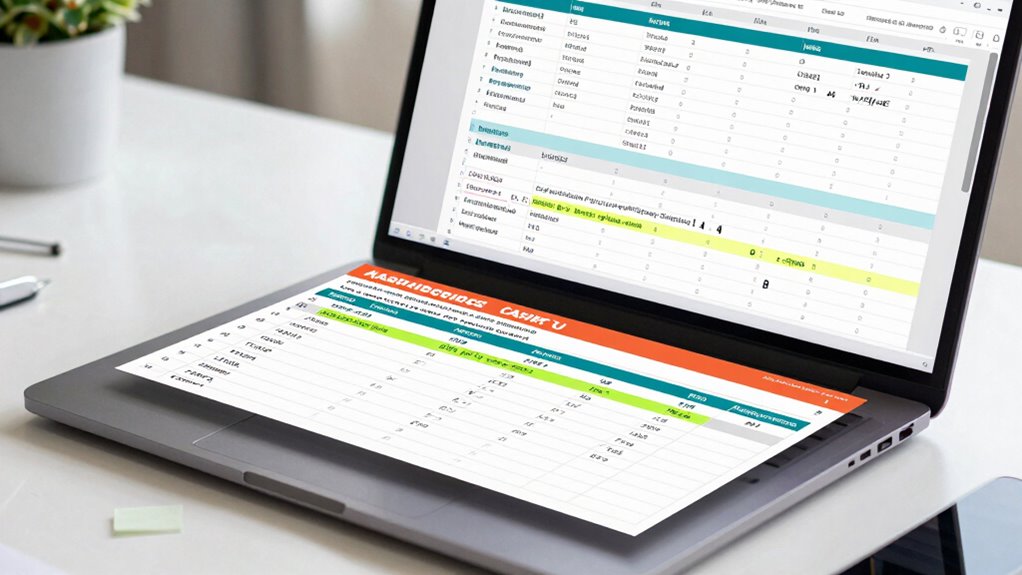
Managing RAID logs effectively requires avoiding common pitfalls that can compromise project tracking. One mistake is neglecting regular updates, which hampers risk mitigation and leaves issues unaddressed. Failing to involve your team in the process can weaken team communication and cause overlooked risks or unresolved issues. Another mistake is not categorizing risks, issues, or dependencies clearly, making it harder to prioritize and respond effectively. Additionally, ignoring the importance of documenting actions taken can lead to confusion and repeated problems. Overloading the log with unnecessary details also diminishes its usefulness. To prevent surprises, stay consistent with updates, promote open team communication, and keep the log clear and actionable. These practices ensure your RAID log remains a reliable tool for project success.
Frequently Asked Questions
Can RAID Logs Be Customized for Different Industries?
Yes, you can customize RAID logs for different industries. You should incorporate industry-specific templates and tailor risk categories to match your sector’s unique challenges. By doing this, you guarantee the log captures relevant risks, assumptions, issues, and dependencies specific to your field. Customization helps you stay proactive, manage risks effectively, and prevent surprises, making your project management more precise and aligned with your industry’s needs.
How Often Should I Review and Update the RAID Log?
You should review and update your RAID log weekly, as studies show that regular updates reduce project risks by 30%. Set a consistent review frequency to catch issues early and keep your risk, assumption, issue, and dependency data current. Establish an update schedule aligned with your project milestones, so you stay proactive. Consistent reviews guarantee your RAID log remains a reliable tool, helping you prevent surprises and stay on track.
What Tools or Software Are Best for Managing RAID Logs?
You should use tools like Excel, Trello, or dedicated risk management software to manage your RAID logs effectively. These tools help you streamline risk assessment and keep stakeholder communication clear and organized. With real-time updates, you can quickly identify new risks, track issues, and make sure everyone stays informed. Regularly updating your RAID log in these tools helps prevent surprises and keeps your project on track.
How Do RAID Logs Integrate With Other Project Management Tools?
Ever wonder how RAID logs seamlessly fit into your project management? They integrate smoothly with tools like Jira, Trello, or MS Project, enhancing risk mitigation and stakeholder communication. You can link RAID entries directly to tasks, updates, or milestones, ensuring everyone stays informed and risks are addressed promptly. This integration keeps your project aligned, proactive, and transparent, reducing surprises and boosting your team’s confidence in managing potential issues effectively.
What Are Signs That a RAID Log Is No Longer Effective?
You’ll notice a RAID log is no longer effective when you observe signs of stagnation, like no new entries or updates, and declining updates from team members. If issues, risks, or actions aren’t being actively monitored or addressed, it signals the log isn’t serving its purpose. These signs suggest it’s time to review and refresh the system to ensure it continues to support your project’s success.
Conclusion
By mastering your RAID log, you turn your project’s chaos into a well-orchestrated symphony. Think of it as your safety net, catching potential surprises before they fall and cause a mess. When you stay diligent and update it regularly, you’ll navigate risks and issues smoothly, keeping your project on course. Remember, a well-maintained RAID log isn’t just a tool—it’s your secret weapon to guarantee every note hits perfectly.