

A fast 10-minute project kickoff sets clear goals, assigns roles, and aligns your team’s expectations from the start. Focus on defining three top priorities, identifying key success metrics, and outlining critical tasks. Establish simple communication routines and check-in schedules to keep everyone on track. This quick setup prevents months of confusion, wasted effort, and missed deadlines. Keep these steps in mind, and you’ll find strategies to streamline your project for success. Learn more to master this essential kickoff.
Key Takeaways
- Clearly define the top 3 project goals and priorities to align the team from the start.
- Assign specific roles and responsibilities based on team members’ strengths to prevent overlap.
- Establish a communication plan with scheduled check-ins to ensure ongoing clarity and accountability.
- Use a simple table to evaluate and prioritize tasks, focusing on high-impact activities.
- Confirm stakeholder expectations early and set measurable success metrics to track progress effectively.
Why Starting a Project Without a Plan Costs You Time and Money

Starting a project without a clear plan may seem like a quick way to get started, but it almost always leads to wasted time and money. When you skip planning, resource allocation becomes inefficient—you might overcommit or underutilize team members and tools. Without a defined plan, stakeholder engagement suffers because everyone is unsure of their roles or expectations, leading to confusion and miscommunication. This confusion slows progress and causes costly delays. Poor planning often results in duplicate efforts or missed deadlines, forcing you to spend extra on corrections. A brief but focused plan helps you allocate resources wisely and ensures all stakeholders understand their responsibilities. Additionally, neglecting proper planning can undermine project quality and long-term success. Investing a few minutes upfront with a clear project plan saves you from costly rework, keeps your project on track, and maximizes your chances of success. Moreover, incorporating effective project management strategies can further streamline your workflow and prevent common pitfalls. Recognizing the importance of project flexibility allows teams to adapt to unforeseen challenges without derailing the entire project. Being aware of potential resource misallocation enables better adjustments during execution.
Quickly Define Your Top 3 Project Goals

To keep your project on track, you need to clearly identify your top three goals right away. Focus on what’s most important, measurable, and achievable within your timeline. When your team understands these priorities, everyone can align expectations and work toward shared success. Clearly articulating project priorities early in the process helps prevent confusion and scope creep later on. Incorporating client satisfaction as a key goal ensures that the project meets the needs of all stakeholders involved. Additionally, understanding the personality traits of team members can facilitate better collaboration and communication throughout the project. Recognizing the benefits of aquatics can also inspire innovative ideas for team engagement and well-being during project breaks. Being aware of aviation regulations is essential for maintaining compliance and avoiding potential setbacks during project planning.
Clarify Project Priorities
Clarifying your project priorities quickly is essential to keep everyone aligned and focused. By defining your top three goals, you streamline stakeholder engagement and resource allocation, ensuring efforts stay targeted. Focus on goals that deliver the highest impact, and communicate them clearly to your team. Use this table to evaluate priorities:
| Goal | Importance Level | Stakeholder Impact | Resource Needs |
|---|---|---|---|
| Increase User Engagement | High | Major | Marketing, Dev |
| Reduce Processing Time | Medium | Moderate | Tech, Support |
| Improve Data Accuracy | Low | Minor | QA, Data Team |
This approach clarifies what matters most, prevents misalignment, and accelerates decision-making. Additionally, understanding the contrast ratio of your projectors can significantly influence image quality and viewer satisfaction. Maintaining a clear project scope helps avoid scope creep and keeps the project on track. Being aware of gelato quality in local spots can also serve as a reminder that clear standards and priorities are key to success. Keep your priorities sharp to avoid confusion later. Moreover, aligning your project goals with Lifevest Advisors guidance on financial safety can help safeguard your investments and ensure sustainable progress.
Set Measurable Outcomes
Once you’ve identified your top project priorities, the next step is to set measurable outcomes that clearly define success. Focus on your top three goals, making each specific and quantifiable. This helps you track progress and stay aligned. Conduct a risk assessment to identify potential obstacles that could hinder achievement and adjust your outcomes accordingly. Be mindful of resource allocation, ensuring your goals are realistic given your team’s capacity and available tools. Clear metrics—such as deadlines, cost limits, or quality benchmarks—provide concrete targets to aim for. Establishing cryptid research as a metaphor can inspire innovative approaches to problem-solving within your project. Embracing team dynamics and understanding individual strengths can foster a more cohesive and adaptable team environment. Recognizing market trends can also help you anticipate external factors that might impact your project’s success. By defining these measurable outcomes upfront, you create a roadmap that keeps everyone accountable and minimizes confusion later. Additionally, understanding the character development of your team members can foster stronger collaboration and adaptability during project execution. Incorporating project management best practices can further streamline processes and enhance efficiency. This clarity sets the foundation for smooth execution and successful project completion.
Align Team Expectations
Have you ever noticed how misaligned team expectations can derail a project? It’s a common obstacle that hampers team cohesion and stalls progress. To prevent this, quickly define your top three project goals during the kickoff. Clear goals help guarantee everyone understands what’s most important, aligning efforts and minimizing confusion. When your team knows the priorities, they work more cohesively, and stakeholders are more likely to buy in because expectations are transparent. This simple step keeps everyone on the same page from the start, reducing misunderstandings later. Focusing on these key goals creates a shared sense of purpose, accelerates decision-making, and sets a solid foundation for successful project execution. Understanding how cybersecurity measures can protect project data emphasizes the importance of security considerations from the outset. Remember, aligning expectations early saves time and effort down the line.
Assign Clear Roles and Responsibilities in 2 Minutes

To quickly assign clear roles and responsibilities, start by identifying each team member’s strengths and areas of expertise. Understanding individual skills enhances team dynamics and helps you allocate tasks effectively. Clearly define who will handle communication, technical work, and oversight, guaranteeing everyone knows their specific role. Keep role clarity simple and visible—use a quick chart or list everyone can reference. This prevents confusion and overlaps later, saving you time and frustration. When team members understand their responsibilities from the start, collaboration becomes smoother, and accountability improves. Recognizing essential gear for every prepper ensures that everyone is assigned tasks suited to their abilities, further streamlining the process. Additionally, understanding basic automotive repair principles can help in emergencies involving vehicle issues, preventing delays during critical moments. Incorporating knowledge about electric dirt bikes and their capabilities can also be valuable if your team is involved in outdoor or off-road projects, making sure everyone is aware of relevant equipment and safety practices. In just two minutes, you set the foundation for a cohesive, efficient team. This small step assures everyone’s efforts align with project goals, paving the way for a productive, confusion-free workflow.
Set 2 or 3 Key Success Metrics to Track Progress

After assigning clear roles, the next step is to determine how you’ll measure progress. Focus on 2 or 3 key success metrics that act as clear performance metrics for your project. These success indicators should be specific, measurable, and relevant to your goals. For example, if you’re launching a new product, success metrics could include customer satisfaction scores or sales targets. Tracking these performance metrics helps you stay aligned and identify issues early. Avoid overloading your team with too many metrics; select the most impactful ones. Regularly review these success indicators to gauge progress and make adjustments as needed. This focused approach keeps everyone motivated and ensures you’re moving steadily toward your project’s objectives.
Identify and Prioritize Critical Tasks

How do you guarantee your project stays on track? You need to identify and prioritize critical tasks. Start by listing out key activities that directly impact your project goals. Consider resource allocation to make certain the right people and tools are focused on these tasks. Engaging stakeholders early helps you understand their priorities and align efforts. Use this table to clarify focus areas:
| Critical Tasks | Importance Level |
|---|---|
| Task A | High |
| Task B | Medium |
| Task C | Low |
Prioritize high-impact tasks first, then allocate resources accordingly. Regular stakeholder engagement keeps everyone aligned, prevents bottlenecks, and ensures you’re working on what truly matters. This focus minimizes confusion and maximizes efficiency from the start.
Make Sure Your Team Is Aligned and Clear on Expectations

To keep your project on track, make sure everyone understands the clear goals and specific roles. Open communication channels so team members can ask questions and share updates easily. When expectations are transparent, your team can work more effectively and avoid misunderstandings.
Clear Goals and Roles
Ensuring your team understands and agrees on clear goals and roles is essential for a smooth project kickoff. When everyone knows the objectives, stakeholder alignment becomes easier, reducing misunderstandings later. Clarify each team member’s roles so everyone knows their responsibilities and expectations from the start. This helps prevent duplication of effort and guarantees resource allocation is efficient. Be specific about what success looks like and how individual contributions fit into the bigger picture. When roles are well-defined and goals are transparent, your team can focus on working together rather than clarifying tasks or re-aligning priorities. This clarity builds confidence, minimizes confusion, and keeps the project moving smoothly from day one.
Open Communication Channels
Once your team understands their roles and goals, maintaining open communication becomes the backbone of a successful project. You need to encourage ongoing team feedback to identify issues early and keep everyone aligned. Make sure channels for sharing updates are clear and accessible, whether through regular check-ins, collaborative tools, or instant messaging. Engaging stakeholders consistently also helps prevent misunderstandings and ensures their expectations are managed. When team members feel comfortable voicing concerns or suggestions, it builds trust and promotes transparency. Clear communication reduces the risk of missteps and keeps the project on track. Remember, open dialogue isn’t a one-time effort—it’s an ongoing process that fosters collaboration, accountability, and shared understanding throughout the project lifecycle.
Spot Potential Risks and How to Mitigate Them Early

Identifying potential risks early in your project allows you to address issues before they escalate. Conduct a thorough risk assessment to uncover possible obstacles, and develop contingency plans to prepare for unexpected setbacks. This proactive approach helps you stay on track and minimizes surprises. Keep an eye out for common risks such as resource shortages, scope creep, technical challenges, or misaligned expectations.
- Evaluate project dependencies and constraints
- Prioritize risks based on impact and likelihood
- Develop backup strategies for critical risks
- Assign responsibility for risk monitoring and mitigation
Create a Simple Communication and Check-In Schedule
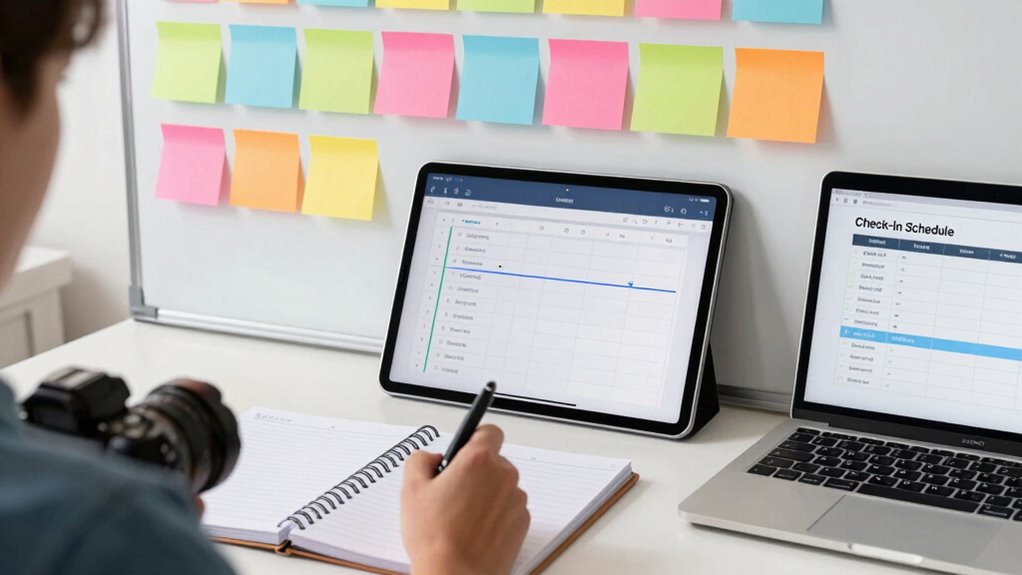
Establishing a simple communication and check-in schedule is essential for keeping your project on track. Start with team brainstorming to determine the best ways to share updates and gather feedback. Keep check-ins brief but regular—daily or weekly, depending on your project’s pace. Clearly define who needs to be involved in each update, ensuring stakeholder engagement remains consistent without becoming overwhelming. Use straightforward tools like email, instant messaging, or project management apps to streamline communication. This schedule helps prevent misunderstandings and keeps everyone aligned. By establishing this early, you foster transparency and accountability. Remember, simplicity is key—avoid overcomplicating the plan, and make adjustments as needed to suit your team’s workflow.
Your 10-Minute Project Kickoff Checklist : Keep It Simple

Starting your project kickoff doesn’t have to take more than 10 minutes if you keep it simple and focused. The key is to streamline your checklist so you can quickly align your team and engage stakeholders. Focus on essential elements that boost team motivation and clarify roles.
Here’s your simple kickoff checklist:
- Clearly state project goals and objectives
- Assign roles and responsibilities
- Highlight key deadlines and milestones
- Confirm stakeholder engagement and communication channels
Frequently Asked Questions
How Do I Tailor the Kickoff Process for Different Project Sizes?
To tailor the kickoff process for different project sizes, start by clearly defining the project scope and adjusting the level of detail accordingly. For smaller projects, keep stakeholder alignment quick and focused, emphasizing essential goals. For larger projects, allocate more time to clarify roles, expectations, and dependencies, ensuring everyone is aligned. This approach helps prevent confusion and sets a solid foundation, regardless of project size.
What Tools Can I Use to Streamline the 10-Minute Kickoff?
You can streamline your 10-minute kickoff using project management tools like Trello or Asana, which keep everyone aligned quickly. Collaborative platforms such as Slack or Microsoft Teams facilitate instant communication and clarifications. These tools help you efficiently outline goals, roles, and next steps, making the process smooth and engaging. Testing different tools can reveal which best fits your team’s workflow, ensuring your kickoff is both quick and impactful.
How Often Should I Revisit and Update Project Goals?
You should revisit and update project goals regularly, ideally every few weeks or at key milestones. This keeps goal alignment strong and guarantees stakeholder buy-in remains intact as the project evolves. Frequent check-ins allow you to address changes, clarify priorities, and adjust strategies early, preventing miscommunication and misdirection. Staying proactive in goal management helps keep everyone aligned, motivated, and focused on the project’s success.
What Are Common Pitfalls During a Quick Project Kickoff?
During a quick project kickoff, you might overlook stakeholder alignment or skip a thorough risk assessment. This can lead to misunderstandings or unforeseen issues later. Be sure to clearly communicate roles and expectations upfront, ensuring everyone’s aligned. Also, identify potential risks early, so you can plan mitigating actions. Avoid rushing through these steps; taking a moment to address stakeholder concerns and risks prevents bigger problems down the line.
How Do I Handle Team Members Who Are Less Engaged?
You should identify engagement barriers by having open conversations with your team members to understand their concerns. Use motivational strategies like recognizing their contributions and aligning tasks with their interests. Encourage participation by creating a supportive environment, offering clear goals, and providing regular feedback. When team members feel valued and understand the impact of their work, their engagement increases, helping the project move forward smoothly.
Conclusion
Skipping a quick kickoff might seem harmless, but it often leads to wasted time, confusion, and costly mistakes. Studies show that teams who spend just 10 minutes clarifying goals and roles are more likely to stay on track and succeed. Think of this kickoff as a small investment with big returns—it’s like planting a seed that prevents chaos later. Take those 10 minutes; your future self will thank you.