

Implementing a “No Surprises” weekly update creates trust by promoting consistent, transparent communication. When you regularly share progress, challenges, and next steps, team members feel informed and confident in your transparency. This routine minimizes unexpected surprises, reduces misunderstandings, and builds reliability. Over time, it enhances collaboration and boosts morale. Keep this approach steady; if you keep going, you’ll discover how to establish a powerful, trust-building habit that benefits everyone involved.
Key Takeaways
- Regular weekly updates minimize surprises by providing timely, predictable information, fostering transparency and trust among stakeholders.
- Consistent communication routines demonstrate reliability, building confidence through openness and reducing misunderstandings.
- Structured, concise updates enhance clarity, ensuring everyone stays informed about progress, challenges, and next steps.
- Establishing a fixed schedule with reminders supports discipline and reinforces a culture of transparency and accountability.
- Overcoming initial resistance requires persistence, honest language, and feedback loops to maintain trust and continuous improvement.

Activity Log Notepad – Daily Tracker Planning Pad for Office Productivity, Task Tracking & Time Management Planner – Work Communication Logbook Timesheet, Get Organized – 8.5 x 11 Legal Pad, 60 Page
Boost Office Productivity – Stay organized with this daily activity log notepad designed for professionals. Ideal for tracking…
As an affiliate, we earn on qualifying purchases.
As an affiliate, we earn on qualifying purchases.
Why Surprises Hurt Trust and How Regular Updates Help

Surprises can damage trust because they create uncertainty and make people feel out of the loop. When you’re caught off guard, it undermines your confidence in others’ transparency. This often results from poor expectation setting and inconsistent communication. If updates aren’t shared regularly, you might wonder what’s happening or feel like essential information is being withheld. Over time, this erodes trust, making collaboration less effective. Regular updates serve as a proactive measure to reduce surprises, reinforcing communication consistency. When everyone gets timely, predictable information, it fosters a sense of reliability and openness. You feel more secure knowing you’re kept in the know. Additionally, establishing clear communication channels ensures that information flows smoothly and reduces the likelihood of misunderstandings. Consistent communication also helps in building credibility, which is essential for long-term trust. In turn, this builds a foundation of trust that encourages honest interactions and smoother teamwork. Maintaining transparency in updates further solidifies confidence and mutual respect over time. Incorporating smart home automation systems can further streamline communication, ensuring updates are delivered automatically and reliably, much like the seamless transitions seen in celebrity lifestyle management.

Adhd Cleaning Planner, Cleaning Plan Schedule & Checklist Organizer Planner, Daily Weekly Monthly Household Editable Template for DIY Home Improvement Book, Family Task, Bathroom Kitchen Bedroom
【Master Your Cleaning Routine】: Simplify home management with this Cleaning Planner Notebook (8.27" x 11.22"). It organizes daily,…
As an affiliate, we earn on qualifying purchases.
As an affiliate, we earn on qualifying purchases.
What the ‘No Surprises’ Routine Is and Why It Matters

The ‘No Surprises’ routine centers on keeping everyone in the loop through clear communication. When you’re transparent and consistent, you build trust and show that you’re reliable. This approach makes it easier to work together smoothly and avoid misunderstandings. Implementing a Free Floating mindset can encourage open dialogue and flexibility in all interactions. Additionally, embracing European cloud innovation can reinforce a shared commitment to sustainable and secure solutions, fostering long-term confidence among stakeholders. Maintaining digital safety practices further ensures trust by protecting sensitive information and demonstrating accountability. Being aware of potential risks, such as gold IRA scams, and taking proactive steps to mitigate them can further strengthen trust and credibility.
Clear Communication Builds Trust
When teams communicate openly and consistently, trust naturally follows. Clear communication keeps everyone aligned, preventing surprises and misunderstandings. Implementing regular feedback loops allows team members to share updates and concerns promptly, fostering transparency. This openness encourages accountability measures, where everyone understands their responsibilities and feels responsible for their part. When you prioritize honest, direct conversations, you build a foundation of reliability. People know they can count on you to share important information in a timely manner. This consistent clarity reduces uncertainty, enhances collaboration, and strengthens relationships. Additionally, maintaining proper filtration and pump protection ensures that equipment operates smoothly, preventing unexpected breakdowns that could undermine trust. Consistent monitoring and maintenance further support equipment reliability, creating a more predictable work environment. Ultimately, clear communication creates an environment where trust thrives, making it easier to navigate challenges and work toward shared goals without fear of unexpected surprises.
Consistency Fosters Reliability
Establishing a consistent routine is essential for fostering reliability within your team. When you stick to regular check-ins and updates, you demonstrate the stability importance in trust building. This predictability makes team members feel secure and confident in your leadership. Over time, reliability grows as everyone knows what to expect, reducing surprises and misunderstandings.
| Routine Element | Purpose | Impact |
|---|---|---|
| Weekly updates | Keeps everyone aligned | Builds trust through transparency |
| Clear deadlines | Sets expectations | Ensures accountability |
| Follow-up meetings | Reinforces commitments | Strengthens reliability |
![Express Schedule Free Employee Scheduling Software [PC/Mac Download]](https://m.media-amazon.com/images/I/41yvuCFIVfS._SL500_.jpg)
Express Schedule Free Employee Scheduling Software [PC/Mac Download]
Simple shift planning via an easy drag & drop interface
As an affiliate, we earn on qualifying purchases.
As an affiliate, we earn on qualifying purchases.
How to Set Up Your Weekly Update for Consistency

To guarantee your weekly updates become a reliable part of your routine, start by choosing a specific day and time that work best for you. Consistency relies on establishing a steady communication cadence, so set a recurring reminder to prepare and send your update. Keep feedback loops short and effective—encourage quick responses to ensure alignment and reduce surprises. Use a clear format so recipients know what to expect each week, making it easier to stick to your schedule. Automate reminders or calendar events if needed. By creating a predictable routine, you build trust and make your updates a natural habit. Incorporating document management best practices can help you stay organized and ensure your information remains accessible and accurate. Additionally, aligning your update schedule with essential oil benefits can create a calming and motivating environment that supports your routine. Establishing consistent routines also minimizes the risk of overlooked details, reinforcing reliability and accountability. Recognizing the importance of trust-building strategies can further strengthen your communication, fostering a dependable relationship with your audience. This consistency reinforces reliability and ensures your team stays informed without surprises, much like the support breakfast options that provide a dependable start to the day.
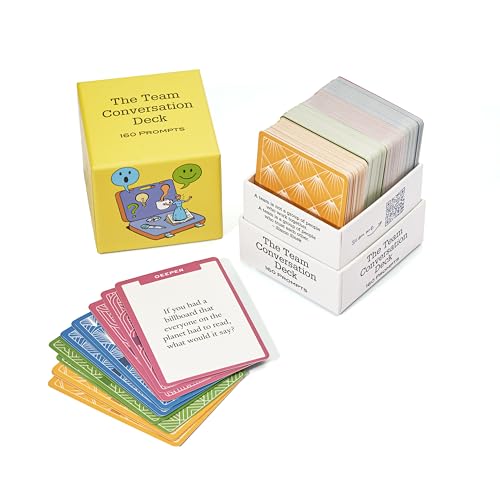
Leader Tools 160 Team Building Cards for Managers – Build Trust & Improve Team Performance – 4 Categories from Light Icebreakers to Strategic Team Questions – for Meetings, 1-on-1s & Team Offsites
100% Work-Safe, Zero Pre-Screening Needed – Every card tested with real teams across all hierarchy levels. No awkward…
As an affiliate, we earn on qualifying purchases.
As an affiliate, we earn on qualifying purchases.
The Key Benefits of a Regular ‘No Surprises’ Communication Routine

A consistent ‘No Surprises’ communication routine helps you build trust and confidence with your team. It also encourages transparency and clarity, so everyone stays aligned and informed. When you keep everyone in the loop, you create a more open and reliable work environment.
Builds Trust and Confidence
When you maintain a regular ‘No Surprises’ communication routine, you build trust and confidence with your team and stakeholders. Consistent updates demonstrate your commitment to transparency, fostering trust development over time. This routine reassures everyone that they’re kept informed, reducing anxiety and uncertainty. As a result, your credibility soars, and confidence in your leadership strengthens. Employees feel more secure, motivated, and aligned with your vision. Stakeholders trust your judgment because they see openness in your communication. This ongoing transparency creates a solid foundation for collaboration and mutual respect. When surprises are minimized, everyone knows where they stand, making interactions smoother and more productive. Ultimately, a reliable communication pattern lays the groundwork for a resilient, trustworthy relationship built on confidence, which simplifies decision-making and reduces confusion and blind spots.
Fosters Transparency and Clarity
By maintaining a regular ‘No Surprises’ communication routine, you create an environment where transparency and clarity naturally thrive. This consistency keeps stakeholders engaged, fostering open dialogue that minimizes misunderstandings. When updates are predictable and honest, everyone understands project statuses, potential risks, and upcoming challenges without guesswork. This approach aligns with best practices in stakeholder engagement, ensuring all parties remain informed and involved. This proactive strategy enhances risk management because issues are addressed early, before escalating. stakeholder engagement improves as you demonstrate accountability and build trust through clear, straightforward communication. Clarity reduces confusion, enabling quicker decision-making and aligned expectations. Ultimately, this routine ensures everyone stays informed, involved, and confident, reinforcing a culture of openness that benefits the entire team and project success.
Overcoming Common Challenges When Starting Your Weekly Updates

Starting your weekly updates can seem intimidating at first, especially when you face common hurdles like inconsistent messaging or time management issues. These challenges can lead to communication pitfalls that erode trust and create confusion. To overcome them, focus on establishing clear feedback loops so team members know their input matters and can adjust accordingly. Be mindful of inconsistent messaging, which can cause frustration and misunderstandings. Avoid rushing updates—quality beats quantity. Recognize that setbacks are normal, but persistence builds a routine. Remember, small improvements in clarity and consistency will strengthen your updates over time. Keep your goals in mind and stay committed, knowing that overcoming these hurdles will lead to a more transparent and trustworthy communication process.
Templates and Tips for Effective ‘No Surprises’ Updates

Using effective templates can streamline your weekly updates and make sure your messages remain clear and consistent. They help you avoid communication pitfalls and strengthen feedback loops, ensuring everyone stays informed without surprises. A good template includes sections for recent progress, upcoming priorities, and potential issues. To enhance clarity, keep updates concise and focused on facts, avoiding vague language. Remember, establishing a regular format helps team members know what to expect, reducing misunderstandings. Here’s a simple example:
| Section | Details |
|---|---|
| Progress | Completed milestone X, ongoing task Y |
| Challenges | Encountered issue Z, needing support |
| Next Steps | Plan for next week, upcoming deadlines |
| Feedback & Notes | Suggestions, questions from team members |
Stick to this structure, review your updates, and foster honest feedback for continuous improvement.
Measuring How Weekly Transparency Builds Trust and Boosts Teamwork

When team members share weekly updates openly and consistently, trust naturally deepens over time. You’ll notice trust development accelerates, creating a stronger foundation for collaboration. Regular transparency fosters team cohesion by reducing surprises and encouraging openness. To measure this growth, observe how team members communicate—are they more candid and proactive? Track improvements in problem-solving and decision-making speed. Pay attention to the overall morale, which often rises as trust deepens. Additionally, incorporating sound healing science principles can subtly reinforce a calming environment that supports open communication and reduces workplace stress. This approach can mirror the character development seen in long-running TV characters like Ziva David, whose evolving storylines foster viewer trust and engagement. You’ll feel the impact through: – Increased willingness to share honest feedback – Greater sense of accountability among team members – Enhanced collaboration and idea sharing – Reduced conflicts and misunderstandings These signs show that consistent transparency isn’t just about information—it’s about building lasting trust and unbreakable teamwork. Recognizing the importance of trust-building strategies can further enhance these efforts. Additionally, integrating technological tools like collaborative apps can streamline communication and support ongoing transparency efforts.
Real-World Examples of Organizations Using the ‘No Surprises’ Approach

Many organizations have embraced the ‘No Surprises’ approach to foster transparency and trust. For example, a tech company prioritized regular updates to stakeholders, enhancing stakeholder engagement and preventing surprises during product launches. In crisis management, a healthcare provider adopted weekly check-ins to keep staff informed of evolving situations, reducing panic and miscommunication. These organizations understand that consistent communication builds credibility and strengthens relationships with stakeholders. By sharing updates proactively, they avoid surprises that can damage trust or escalate issues. This approach helps teams respond swiftly and effectively, especially during crises, where clear, timely information is vital. Additionally, consistent communication plays a crucial role in establishing a culture of openness and accountability across the organization. Implementing real-world examples like these demonstrates that regular, transparent updates aren’t just good practice—they’re essential for resilient, trustworthy organizations.
Getting Started: Your First ‘No Surprises’ Update Today

Starting your ‘No Surprises’ communication strategy is simpler than you might think. Begin by establishing a regular schedule for your first update—consistency builds trust. Use clear, honest language to foster open feedback loops, so team members feel heard and engaged. Focus on accountability practices by sharing both successes and setbacks transparently. Your goal is to create a habit that encourages ongoing dialogue, not just one-off updates. Remember, the first step sets the tone for future interactions and trust. Embrace vulnerability and openness, knowing that honesty today cultivates stronger relationships tomorrow. Your initial update is an opportunity to demonstrate commitment to transparency, laying the groundwork for a culture of trust and collaboration.
Frequently Asked Questions
How Long Should Each Weekly Update Typically Last?
You should aim for each weekly update to last about 15 to 20 minutes. Keep the timing consistency by setting a regular schedule, so everyone knows when to expect it. Focus on concise updates, so the length remains manageable without overwhelming your team. By sticking to this timeframe, you guarantee the updates are effective, engaging, and respect everyone’s time, fostering trust and clarity in your communication.
What Tools Are Best for Delivering Consistent Updates?
Imagine a clear, steady stream of communication flowing effortlessly—this is what the best tools for consistent updates provide. You should consider Slack, Microsoft Teams, or email, as they guarantee communication clarity and reliable update frequency. These tools help you keep everyone aligned, making information easily accessible and timely. With them, your updates become a seamless part of your team’s routine, fostering trust and transparency every week.
How Do I Handle Sensitive or Confidential Information?
You handle sensitive or confidential information by strictly following confidentiality protocols. Always guarantee sensitive data is shared only with authorized individuals and use secure channels for communication. Keep records locked and avoid discussing confidential matters in public or unsecured settings. Regularly remind your team about data privacy policies, and stay updated on best practices to protect sensitive data. Your goal is to maintain trust by safeguarding information diligently at all times.
Can ‘No Surprises’ Updates Work in Remote Teams?
Absolutely, ‘no surprises’ updates can thrive in remote teams. They’re a great trust-building tool that keeps everyone aligned through consistent communication strategies. By sharing weekly progress and potential roadblocks openly, you foster transparency and calm any uncertainties. Regular updates create a rhythm that bridges the physical distance, making team members feel connected and confident. Embrace this practice to strengthen your remote team’s cohesion and trust, even from afar.
How Do I Encourage Team Members to Share Openly?
To encourage your team members to share openly, foster an environment of trust building by demonstrating vulnerability yourself. Show that sharing challenges or concerns is safe and valued, which encourages others to do the same. Regularly ask open-ended questions and listen actively, creating space for honest communication. When team members see vulnerability sharing is welcomed and respected, they’ll feel more comfortable opening up, strengthening overall team trust.
Conclusion
Think of your weekly update as a lighthouse guiding your team through foggy waters. When you share consistently, you illuminate the path, building trust and steering clear of surprises that cause storms. Embrace this routine as your beacon, shining steady and bright. Over time, your transparency becomes a guiding star—reliable and unwavering—leading your team safely to smoother sailing and stronger bonds. Start today, and let your clarity be the light that others follow.