
You likely have unspoken agreements at work that shape your expectations, effort, and sense of fairness. These invisible contracts involve assumptions about your roles, responsibilities, and support, influencing how you interpret policies and employer actions. They’re often built on trust and cultural norms, and they can be easily violated without notice. Recognizing these unspoken rules helps you navigate workplace relationships and advocate effectively. If you’re curious about how these invisible contracts impact your experience, there’s more to discover below.
Key Takeaways
- Employees often operate under unspoken expectations about loyalty, effort, and job security that are not formally documented.
- These invisible contracts include assumptions about support, recognition, and flexibility based on company culture.
- Mutual trust and cultural norms help form and sustain these unspoken agreements over time.
- Violations, like unpaid overtime or overlooked efforts, can cause frustration, disengagement, and perceptions of unfairness.
- Recognizing and clarifying these unspoken agreements can improve communication, set boundaries, and prevent misunderstandings.

Many employees operate under assumptions about their roles and responsibilities that aren’t officially documented—what some call “invisible contracts.” These unspoken agreements influence how you work, what you expect from your employer, and what your employer expects in return, even if neither side explicitly discusses them. You might believe that showing extra effort or staying late occasionally is part of your obligation, while your employer might assume that your loyalty entitles you to certain privileges or job security. These unspoken obligations shape your daily interactions and influence your perception of fairness and commitment.
Unspoken workplace agreements shape behavior, expectations, and perceptions of fairness beyond formal roles and responsibilities.
Workplace expectations often extend beyond formal job descriptions. You might assume that taking initiative and volunteering for projects will lead to recognition or advancement, but your employer may see these actions as voluntary rather than required. Conversely, you may expect certain support or resources from your employer, like training or flexible hours, based on your understanding of the company’s culture, even if these aren’t written into your contract. These unspoken obligations create a delicate balance—what you believe is part of your role versus what your employer expects you to do without explicit guidance. Recognizing implicit expectations can help prevent misunderstandings and foster clearer communication. An awareness of unwritten workplace norms can also help you better interpret your employer’s actions and policies. Being aware of cultural expectations in the workplace can help you navigate these unspoken agreements more effectively. Additionally, understanding employee-employer relationships can provide insight into how these unspoken agreements develop and are maintained over time. Recognizing the importance of trust and loyalty can also influence how these contracts are perceived and upheld.
You may also operate under the assumption that loyalty and a positive attitude equate to job security, even if the company’s policies don’t guarantee it. In return, your employer might expect loyalty and dedication as a given, without necessarily formally acknowledging it. This mutual understanding often becomes the foundation of your relationship, yet it’s rarely discussed openly. When these unspoken agreements are violated—say, if you’re asked to work overtime without compensation or if your efforts go unnoticed—they can breed frustration or disengagement.
Understanding these unspoken obligations is vital because they influence your job satisfaction and your perception of fairness. When you’re unaware of the implicit expectations, misunderstandings can arise, leading to conflicts or feelings of being undervalued. Clarifying workplace expectations—either through direct conversations or observing company culture—can help you navigate these invisible contracts more effectively. Recognizing that you and your employer have unspoken obligations allows you to set clearer boundaries, communicate more openly, and make certain that both sides are aligned in their expectations.
Ultimately, these invisible contracts aren’t inherently negative—they’re a natural part of workplace relationships. But being aware of them empowers you to manage your professional interactions more consciously. When you understand the unspoken expectations at play, you’re better equipped to advocate for yourself, seek clarity when needed, and foster a work environment based on mutual understanding rather than assumptions.

Treela 18 Pcs Employee Appreciation Awards Gifts Bulk Small Acrylic Trophies Mini Thank You Plaque Gifts for Recognition Adults Students Classroom Office Graduation Decoration(Gold,Small Star)
- Set of 18 Acrylic Awards: Six styles for various occasions
- High-Quality Acrylic Material: Clear, lightweight, durable, and fade-resistant
- Compact Size: Approximately 2.4 x 2.4 inches, stands on desk
As an affiliate, we earn on qualifying purchases.
As an affiliate, we earn on qualifying purchases.
Frequently Asked Questions
How Can Employees Identify These Invisible Contracts?
You can identify these invisible contracts by paying close attention to unspoken expectations and workplace norms. Observe how colleagues behave and what managers praise or overlook. Listen for hints in conversations about priorities and values. Notice recurring patterns, like staying late without praise or taking on extra tasks. Recognizing these cues helps you understand what’s implicitly expected, so you can align your actions and avoid misunderstandings about your role.
Are These Contracts Legally Binding?
You might be surprised, but most invisible contracts aren’t legally binding. About 75% of employees believe workplace ethics and expectations are implicit, shaping your day-to-day interactions. These unspoken agreements influence your behavior more than formal contracts, but they don’t have legal standing. While they guide your conduct, they’re based on trust and shared understanding, not law. So, always clarify expectations to avoid confusion or disappointment.
What Are Common Examples of Invisible Contracts?
Common examples of invisible contracts include non-compete clauses and confidentiality obligations. When you accept a job, you often agree to keep company secrets and not work for competitors after leaving. These agreements aren’t always written but are understood as part of your employment relationship. You might also agree to meet performance standards or follow internal policies, which create expectations that influence your behavior even without formal, signed contracts.
How Do Invisible Contracts Affect Employee Rights?
Invisible contracts shape your employee rights by setting unspoken workplace expectations and implicit obligations. When you accept a job, you agree to these unstated rules, which can limit your ability to speak up or negotiate. These invisible contracts influence how you’re treated, your job security, and your workplace autonomy. Recognizing these implicit obligations helps you understand your rights better and empowers you to address or challenge unfair or restrictive expectations.
Can Companies Legally Enforce These Unspoken Agreements?
Companies can’t legally enforce unspoken agreements, even if workplace culture fosters employee loyalty based on them. These invisible contracts aren’t written or officially recognized, so they lack legal standing. While they influence your expectations and commitment, your rights remain protected by formal employment laws. Focus on clear communication and official policies to guarantee your workplace rights are respected, rather than relying on unspoken agreements that can’t be legally enforced.

Academic Planner 2026-2027 – Hourly 2026-2027 Planner Weekly and Monthly – Appointment Book with Flexible Cover, Twin-Wire Binding – Simple Design for Productivity. June 2026 – July 2027. 6.5 x 8.5
- Academic Year Coverage: June 2026 – July 2027
- Time Intervals: 30-minute from 7am to 8pm
- Weekly Layout: Two-page spread with notes for each day
As an affiliate, we earn on qualifying purchases.
As an affiliate, we earn on qualifying purchases.
Conclusion
Remember, actions speak louder than words. Even if you’re not explicitly told, unwritten expectations shape your work life. By understanding these invisible contracts, you gain clarity and control. Don’t assume you’re on the same page—communicate openly. As the saying goes, “What’s understood need not be explained.” Stay aware of these silent agreements; they can make all the difference in your career and well-being.
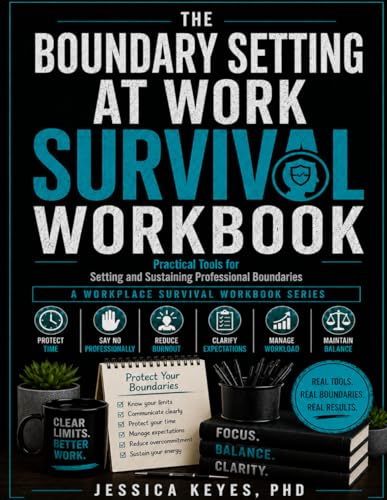
The Boundary Setting at Work Survival Workbook: Practical Tools for Setting and Sustaining Professional Boundaries (The Workplace Survival Series)
As an affiliate, we earn on qualifying purchases.
As an affiliate, we earn on qualifying purchases.

The Coaching Habit: Say Less, Ask More, and Change the Way You Lead Forever
- Author: Michael Bungay Stanier
- Publisher: Page Two
- Page Count: 244 pages
As an affiliate, we earn on qualifying purchases.
As an affiliate, we earn on qualifying purchases.