

Your team instinctively mirrors your daily behaviors, attitudes, and communication styles, often without realizing it. The way you lead, your tone, body language, and reactions shape the environment and influence their actions. If you maintain transparency, positivity, and open communication, your team will likely reflect those traits. Conversely, negative habits like uncertainty or dismissiveness can subtly spread. To foster a strong, motivated team, it’s essential to understand how your behavior unintentionally sets the tone. Continue exploring to learn more about how to master your influence.
Key Takeaways
- Teams mirror their leader’s daily behaviors, habits, and communication styles, often unconsciously adopting their tone and approach.
- Non-verbal cues like body language and facial expressions significantly influence team members’ attitudes and motivation.
- Leaders’ reactions to stress and conflict set behavioral standards, shaping the team’s responses and resilience.
- Consistent transparency, accountability, and positivity from leaders foster similar qualities within the team.
- Emotional intelligence and self-awareness enable leaders to model authentic behaviors that promote trust and collaboration.

Have you ever wondered how your own leadership style influences your team’s performance? The truth is, your daily actions and interactions serve as a mirror, reflecting back in behaviors that your team unknowingly adopts. This phenomenon is often referred to as “The Manager Mirror,” where the habits you demonstrate and the communication styles you employ become the unwritten blueprint for your team. It’s easy to focus on what you say in meetings or how you assign tasks, but it’s equally important to recognize that your leadership habits create the environment your team naturally copies. If you consistently show transparency and accountability, your team will mirror those qualities. Conversely, if you display uncertainty or avoid difficult conversations, those traits can subtly become part of your team’s culture.
Your communication styles are particularly influential because they shape how your team perceives and responds to challenges. When you communicate openly and actively listen, you foster trust and encourage your team to do the same. These habits become contagious, influencing others to be more receptive and collaborative. On the other hand, if you tend to be dismissive or overly directive, your team might adopt a similar tone, leading to a lack of initiative or engagement. The way you deliver feedback, your tone of voice, and your body language all send signals that your team picks up on, often without even realizing it. This unspoken communication can either motivate or demotivate, depending on how consistent and authentic your style is. Recognizing the power of non-verbal cues can significantly enhance your leadership effectiveness. Additionally, understanding the impact of behavioral modeling can help you intentionally shape a positive team culture. Furthermore, being mindful of your own emotional intelligence can help you better manage your reactions and foster a supportive environment.
The key is to be aware of what you’re projecting. Your leadership habits—whether they involve how you manage stress, handle conflict, or recognize achievements—set a precedent. When you demonstrate resilience and positivity, your team tends to follow suit, creating a resilient and motivated work environment. If you overlook the importance of self-awareness, you risk unintentionally reinforcing negative patterns that hinder growth. Developing self-awareness is essential because it allows you to understand how your behaviors influence your team’s dynamics and outcomes. Remember, your team copies what they see you do more than what you tell them. That’s why reflection and intentionality in your leadership habits and communication styles are crucial. You’re not just leading; you’re shaping a culture through the mirror of your behavior. The more conscious you are of this mirror, the more you can influence your team’s performance positively and authentically.

Emotional Intelligence 2.0
great condition
As an affiliate, we earn on qualifying purchases.
As an affiliate, we earn on qualifying purchases.
Frequently Asked Questions
How Can Managers Identify Their Unconscious Influence on Team Behavior?
You can identify your unconscious influence by reflecting on your own behavior and recognizing implicit biases that shape your leadership style. Pay attention to how your communication and decision-making mirror your attitudes, as team members often unconsciously imitate these. Cultivate leadership authenticity by seeking honest feedback and observing team reactions, which reveal how your behavior impacts their actions. Being aware of these influences helps you foster a more genuine, positive team environment.
What Are Common Signs Employees Mirror From Their Manager?
You might notice your employees unconsciously mirroring your body language, tone, or even decision-making styles. These signs often reflect their desire for team cohesion and rely heavily on your leadership consistency. When you display confidence and clarity, your team tends to mirror that stability, fostering a positive environment. Conversely, inconsistent behaviors can cause confusion or disengagement, revealing just how powerful your influence truly is—sometimes more than words ever could.
How Does a Manager’s Communication Style Affect Team Dynamics?
Your communication style directly impacts team dynamics by setting expectations and fostering trust. When you demonstrate leadership consistency and emotional intelligence, your team feels valued and understood. Clear, empathetic communication encourages openness and collaboration, reducing misunderstandings. Conversely, inconsistent or emotionally detached communication can create confusion and disengagement. By modeling respectful, transparent dialogue, you influence your team positively, promoting a healthy, productive work environment where everyone feels supported and motivated.
Can Positive Behaviors Be Unintentionally Copied by Team Members?
Yes, positive behaviors can be unintentionally copied through implicit learning and behavior contagion. Even if you don’t realize it, your team picks up on your actions and attitude, often mimicking these without direct acknowledgment. This can boost morale and productivity, but it also means you set a silent standard. Being mindful of your own behavior helps guarantee your team adopts positive habits, creating a healthier work environment.
What Steps Can Managers Take to Promote Healthy Role Modeling?
To promote healthy role modeling, you should demonstrate leadership consistency and emotional intelligence daily. Show integrity, respect, and transparency, so your team sees clear behavioral standards. Practice active listening, empathize with their concerns, and manage your emotions effectively. By embodying these qualities, you set a powerful example, encouraging your team to mirror positive behaviors naturally. Consistency and emotional intelligence are key to fostering a respectful, motivated, and cohesive work environment.

The Silent Trainer (Volume 1): Mastering Body Language to Lead, Engage, and Influence
As an affiliate, we earn on qualifying purchases.
As an affiliate, we earn on qualifying purchases.
Conclusion
Remember, what you reflect as a manager shapes your team’s behavior more than words ever could. If you stay positive, show integrity, and communicate openly, your team will mirror those qualities, even when you’re not looking. Think of it like a mirror in a room—what’s clear and bright is what you project. So, lead by example, and watch your team naturally adopt those same values, creating a healthier, more productive work environment.
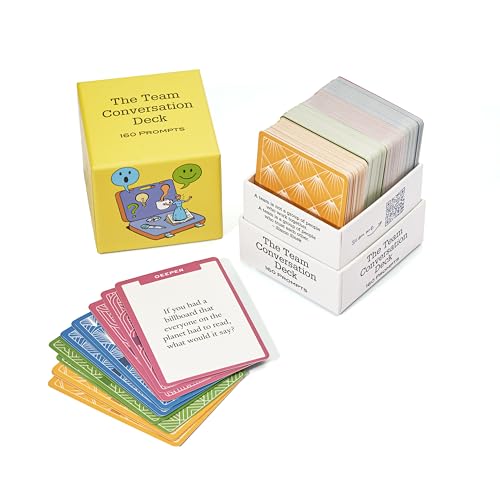
Leader Tools 160 Team Building Cards for Managers – Build Trust & Improve Team Performance – 4 Categories from Light Icebreakers to Strategic Team Questions – for Meetings, 1-on-1s & Team Offsites
100% Work-Safe, Zero Pre-Screening Needed – Every card tested with real teams across all hierarchy levels. No awkward…
As an affiliate, we earn on qualifying purchases.
As an affiliate, we earn on qualifying purchases.

Fearless Feedback: A Guide for Coaching Leaders to See Themselves More Clearly and Galvanize Growth
As an affiliate, we earn on qualifying purchases.
As an affiliate, we earn on qualifying purchases.