
TL;DR

Get business pricing on office and shipping supplies
- Business-only prices and quantity discounts
- Tax-exempt purchasing
- Multiple users, one account, clear invoices
A new smartphone camera-based shade scoring system is being tested to objectively measure teeth whitening progress at home. This tool could reduce guesswork and improve product effectiveness for consumers. Validation against dental standards is underway.
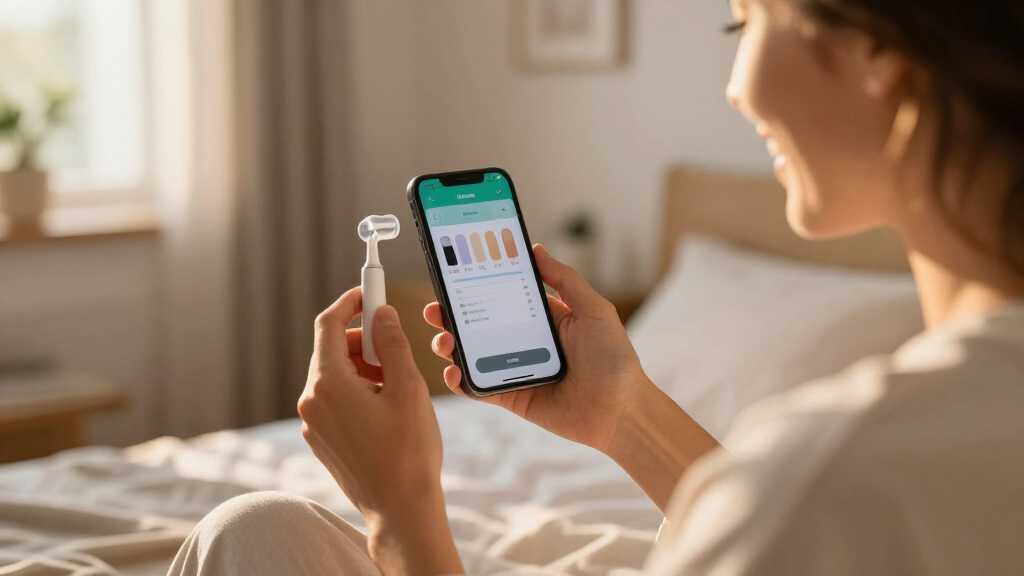
A smartphone-based teeth shade scoring tool is being developed to help home whitening users objectively measure their progress. This innovation aims to address the common problem of relying on subjective visual assessment in the bathroom mirror, which often leads consumers to cycle through multiple whitening products without clear results. The new system uses guided-lighting and camera technology to approximate dental shade readings traditionally performed by dentists, offering potential for a more precise and consistent tracking method. This development is significant because it could transform how consumers approach at-home whitening routines, reducing guesswork and increasing confidence in product choices.
The new tool involves a guided-lighting photo flow that captures images of teeth and scores their color against the dental shade scale, a standard used by dental professionals. This score can be plotted over weeks, allowing users to see measurable progress and identify which products are most effective. The app aims to provide personalized recommendations based on users’ starting shades and the products that have successfully moved their teeth shade in similar cases.
According to sources familiar with the project, the initial phase involves benchmarking the app’s shade scores against VITA shade readings—an widely accepted dental standard—using a sample of fifty users. The goal is to establish a strong correlation between app scores and professional measurements, validating the core concept. If successful, the system could generate revenue through subscriptions and affiliate links to whitening products proven to improve shade scores.
While the technology shows promise, it remains in the testing phase, and details about commercial rollout or user interface are still emerging. The developers emphasize that the system is designed to be easy to use, with guided lighting to ensure consistent image quality regardless of ambient conditions, addressing a common challenge in smartphone-based color matching.
Potential Impact on Home Whitening Effectiveness
This development could significantly improve the home whitening experience by providing an objective, quantifiable measure of progress. Currently, consumers rely on subjective visual cues, which can be misleading due to lighting conditions and individual perception. An accurate shade scoring tool would enable users to make more informed decisions, reduce unnecessary product cycling, and potentially see faster, more consistent results. For the industry, this innovation introduces a measurement layer that could differentiate products and brands, fostering competition based on actual whitening efficacy rather than marketing claims alone.
Products Worth Considering

Canon PIXMA TR160 Wireless Portable Color Inkjet Printer

LG PuriCare AeroHit Smart Air Purifier for Large Rooms up to 1000 sq ft, True HEPA Filter with 360° Airflow, PM1.0 Sensor & LED Air Quality

Apple iMac 27-inch Retina 5K Display (2020, 8GB RAM, 512GB SSD)
As an affiliate, we earn on qualifying purchases.
Growing Market for Objective Whitening Tools
The global market for consumer oral-care and beauty tech is expanding rapidly, driven by increased interest in personal appearance and digital health solutions. Home teeth whitening products have become a popular segment, with consumers often experimenting with strips, trays, and LED kits. However, a key challenge remains: the lack of objective measurement tools to track progress. Traditionally, dental professionals use VITA shade guides or digital spectrophotometers, but these are not accessible for at-home use.
Recent advances in smartphone camera technology and guided-lighting systems have opened the possibility of bringing professional-grade measurements into consumers’ homes. The concept of smartphone shade scoring has been discussed in industry circles for some time, but only now is it reaching a practical testing phase. This initiative by developers aims to fill a gap in the market by providing a reliable, easy-to-use measurement system that could become a standard accessory for home whitening routines.
“Using guided-lighting and smartphone cameras, we can now approximate dental shade readings with a level of accuracy that was previously only possible in professional settings.”
— an anonymous researcher
Validation and Commercial Rollout Still Uncertain
While initial benchmarking against dental standards is promising, it is not yet confirmed how well the app’s scores will correlate with professional measurements across diverse user groups. The accuracy, consistency, and reliability of the technology in real-world conditions remain to be fully validated. Additionally, details about commercial availability, pricing, and user adoption are still forthcoming, and regulatory considerations for consumer health devices could influence deployment timelines.
Next Steps: Validation, Refinement, and Launch Plans
The development team plans to complete the validation phase with the fifty-user benchmark study and refine the app’s algorithms based on results. If the correlation with dental shade readings proves strong, they will move toward larger-scale testing and eventual commercial release. Further, user interface improvements and integration with existing whitening products are expected to be prioritized. Monitoring user feedback during pilot testing will be crucial to ensure the tool’s accuracy, ease of use, and overall effectiveness before a broader rollout.
Key Questions
How accurate is the smartphone shade scoring compared to dentist measurements?
Initial benchmarking suggests a strong correlation with VITA shade readings, but full validation results are still pending. The accuracy will depend on the consistency of guided-lighting and camera calibration.
Will this app work with all smartphone models?
The technology relies on guided-lighting and camera calibration, which may vary across devices. Developers aim to optimize compatibility across popular models, but testing is ongoing.
Can this tool help reduce the number of whitening products I need to try?
Yes, by objectively measuring progress, users can identify which products are most effective for their teeth, potentially reducing product cycling and saving money.
Is this technology safe and approved for consumer use?
As a measurement tool, it is designed for consumer use and does not involve direct contact with teeth. Regulatory approval processes are still being considered as the product develops.
When will this app be available to the public?
There is no confirmed release date yet. The project is currently in testing and validation phases, with a potential launch contingent on successful validation and regulatory clearance.
Source: IdeaNavigator AI