
🔍 Read the full analysis: Revolutionizing SVG Carving With AI: The Story Of 'The Runestone Field' on ThorstenMeyerAI.com

Get business pricing on office and shipping supplies
- Business-only prices and quantity discounts
- Tax-exempt purchasing
- Multiple users, one account, clear invoices
TL;DR
An innovative project uses AI and SVG carving techniques to animate ‘The Runestone Field,’ creating an immersive digital storytelling experience. This development showcases the potential of automation in visual design and storytelling.
Thorsten Meyer has unveiled a new digital art project called ‘The Runestone Field’, which uses AI-powered SVG carving animation to bring ancient runic carvings to life. This innovative approach combines traditional storytelling with cutting-edge technology, offering viewers an immersive experience that bridges history and digital artistry. The project highlights how automation and precise SVG techniques can transform static visuals into dynamic narratives, making ancient art accessible and engaging in new ways.
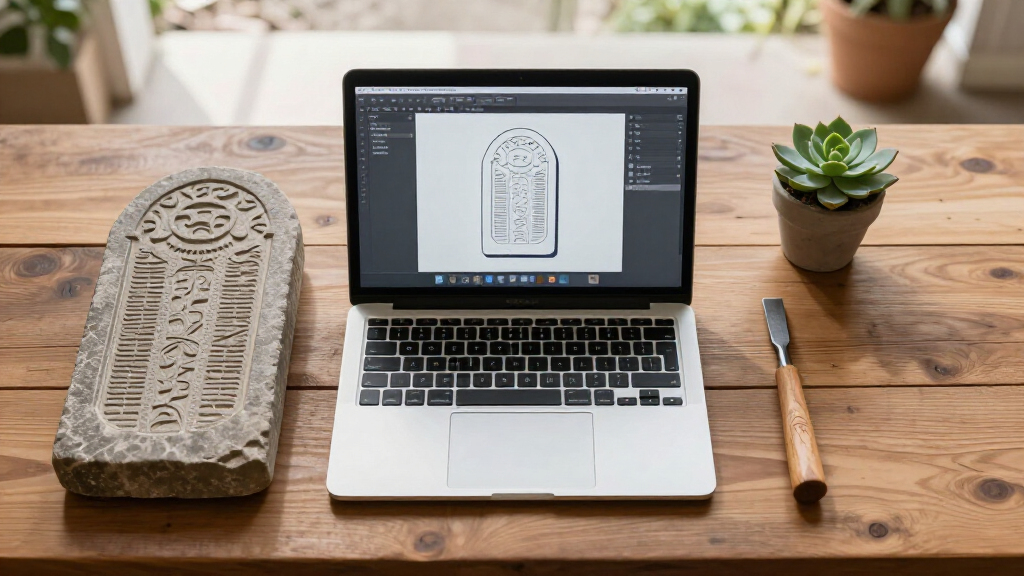
The project was developed by Thorsten Meyer and involves creating animated SVG representations of runic carvings, traditionally found on stone monuments. By integrating advanced AI algorithms with SVG carving techniques, the team produced fluid animations that simulate the carving process itself, giving the impression of stones being dynamically inscribed. The result is a digital landscape where viewers can explore detailed runes that appear to speak, almost as if the stones are alive with stories from the past.
According to Thorsten Meyer, the process involved meticulous design work combined with automation tools that adapt to the intricacies of ancient runic patterns. The project not only showcases artistic craftsmanship but also demonstrates how AI can enhance traditional forms of storytelling through precise, automated carving animations. The team has made the project accessible online, allowing audiences worldwide to experience the blend of history and innovation firsthand.
While the technical aspects have been successfully demonstrated, the project also raises questions about the future role of automation in artistic creation. Experts involved in the project emphasize that this approach can serve as a new form of digital preservation, bringing ancient art into contemporary digital spaces while maintaining its authenticity and detail.
Revolutionizing SVG Carving With AI: The Story of ‘The Runestone Field’
Thorsten Meyer’s digital art project uses AI-powered SVG carving animation to bring ancient runic carvings to life — merging Viking Age heritage with cutting-edge automation, where stones appear to carve themselves and speak with stories from the past.
“It’s about blending craftsmanship with technology to create immersive experiences — bringing ancient carvings to life in a way that was previously impossible.”
— Thorsten Meyer, CreatorTransforming Ancient Art With Modern Automation
‘The Runestone Field’ creates animated SVG representations of runic carvings traditionally found on stone monuments across northern Europe. By integrating AI algorithms with SVG carving techniques, the project produces fluid animations that simulate the carving process itself.
Simulated Carving
Animations mimic the chisel itself, giving the impression of stones being dynamically inscribed before the viewer’s eyes.
Living Landscape
A digital landscape where viewers explore detailed runes that appear to speak — as if the stones are alive with history.
Adaptive Automation
Automation tools adapt to the intricacies of ancient runic patterns, reducing manual effort while increasing precision.
From Stone to Screen: The Carving Pipeline
The workflow transforms static heritage artifacts into dynamic digital narratives through four connected stages.
🪨 Digitize Runes
Runestone patterns from northern European monuments are documented and converted into vector data.
🤖 AI Analysis
Algorithms interpret intricate runic geometry and plan carving paths automatically.
✒️ SVG Carving
Fluid stroke animations simulate the manual carving process with high accuracy.
🌍 Immersive Field
An interactive online landscape lets worldwide audiences explore the speaking stones.
Experts emphasize this approach can serve as a new form of digital preservation — bringing ancient art into contemporary digital spaces while maintaining authenticity and detail.
Bridging History and Technology in Digital Art
Previous projects relied on static images or simple animations. ‘The Runestone Field’ distinguishes itself through detailed, fluid SVG carving — and signals a broader trend of AI integration into museums, educational platforms, and digital archives.
Uncertainties and Next Steps
The technique is proven, but questions remain about long-term preservation, scalability, and integration into official archives. Meanwhile, the roadmap points toward richer patterns and institutional partnerships.
| Dimension | Status Today | Challenge | Planned Next Step |
|---|---|---|---|
| Scalability | ~ Under evaluation | Sustainability for broad cultural preservation | Expand runic pattern library |
| Depth & Texture | ✗ Surface only | Capturing full 3D carving depth | Refined AI algorithms for realism |
| Interactivity | ~ Explore mode | Limited customization options | User-driven carving exploration tools |
| Institutional Use | ✗ Not yet integrated | Acceptance into official digital archives | Museum & education collaborations |
| Public Access | ✓ Live online | — | Virtual museum exhibits |
Frequently Asked
How does AI improve SVG carving animations?
AI enables precise automation of the carving process, allowing fluid, detailed animations that mimic manual carving with high accuracy — reducing effort and enhancing realism.
Can this be used for other historical art?
Yes. The techniques can be adapted to animate inscriptions, murals, or sculptures, opening new ways to engage with cultural heritage.
Is the project accessible to the public?
Yes — it is available online, letting viewers worldwide explore the animated runestone landscapes through a dedicated digital platform.
What are the current limitations?
The approach replicates visible surface details only; capturing the full depth and texture of original carvings remains a challenge future developments aim to address.
Transforming Ancient Art with Modern Automation
This project illustrates the potential for AI and SVG technology to revolutionize how historical artifacts are presented and experienced in the digital age. By animating runic carvings, it offers a new way to engage audiences with ancient cultures, making the art more accessible and interactive. For digital artists and storytellers, it opens pathways to automate complex visual processes, reducing manual effort and increasing precision. The project also signals a broader trend of integrating AI into traditional arts, which could influence museums, educational platforms, and digital archives, enhancing preservation and engagement efforts.
As an affiliate, we earn on qualifying purchases.
Bridging History and Technology in Digital Art
Traditionally, runic carvings are static artifacts found on stone monuments across northern Europe, dating back to the Viking Age and earlier. These carvings hold cultural significance and are studied through meticulous manual documentation. Recent years have seen increased interest in digital preservation, but animation of these carvings has remained limited due to the complexity of their intricate patterns. Thorsten Meyer’s project builds on prior efforts to digitize and interpret runic art, now pushing boundaries by adding animated, interactive elements using SVG techniques combined with AI automation.
The development of ‘The Runestone Field’ follows a broader movement toward using AI in digital art and cultural preservation, aiming to create immersive experiences that honor history while leveraging modern technology. Previous projects have used static images or simple animations; this project distinguishes itself through detailed, fluid SVG animations that mimic the carving process, offering a new dimension of engagement.
“This project demonstrates how automation can elevate storytelling by bringing ancient carvings to life in a way that was previously impossible. It’s about blending craftsmanship with technology to create immersive experiences.”
— Thorsten Meyer
As an affiliate, we earn on qualifying purchases.
Uncertainties About Long-Term Preservation and Accessibility
It is not yet clear how sustainable or scalable this SVG carving animation approach will be for broader cultural preservation efforts. Questions remain about how well the animations will hold over time, especially as technology evolves, and whether such projects can be integrated into official digital archives or museum collections. Additionally, the extent to which this method can replicate the full complexity of original carvings is still under evaluation, and future updates may refine or alter the current techniques.
As an affiliate, we earn on qualifying purchases.
Next Steps in Digital Carving Innovation
Moving forward, the team plans to expand the project by incorporating more detailed runic patterns and exploring interactive features that allow users to customize or explore the carvings further. There is also interest in collaborating with cultural institutions to embed these animations into educational platforms and virtual museum exhibits. Ongoing research aims to improve AI algorithms for even more precise and realistic animations, potentially setting new standards for digital preservation of ancient art.
As an affiliate, we earn on qualifying purchases.
Key Questions
How does AI improve SVG carving animations?
AI enables precise automation of the carving process, allowing for fluid, detailed animations that mimic manual carving with high accuracy, reducing manual effort and enhancing realism.
Can this technology be used for other types of historical art?
Yes, the techniques developed can be adapted to animate other forms of ancient or static art, such as inscriptions, murals, or sculptures, providing new ways to engage with cultural heritage.
Is this project accessible to the public?
Yes, the project is available online, allowing viewers worldwide to explore the animated runestone landscapes through a dedicated digital platform.
What are the limitations of this SVG carving approach?
Current limitations include the ability to replicate only the visible surface details and the challenge of capturing the full depth and texture of original carvings. Future developments aim to address these issues.
How might this impact cultural preservation efforts?
This approach offers a new tool for digital preservation, making artifacts more accessible and engaging, but it is still in early stages and requires further validation for long-term use.
Source: ThorstenMeyerAI.com
Halloween Picks
halloween
As an affiliate, we earn on qualifying purchases.