📊 Full opportunity report: Looking For A Resale Find? Search By Photo Across Marketplaces on IdeaNavigator AI — validation score, market gap, and execution plan.

Get business pricing on office and shipping supplies
- Business-only prices and quantity discounts
- Tax-exempt purchasing
- Multiple users, one account, clear invoices
TL;DR
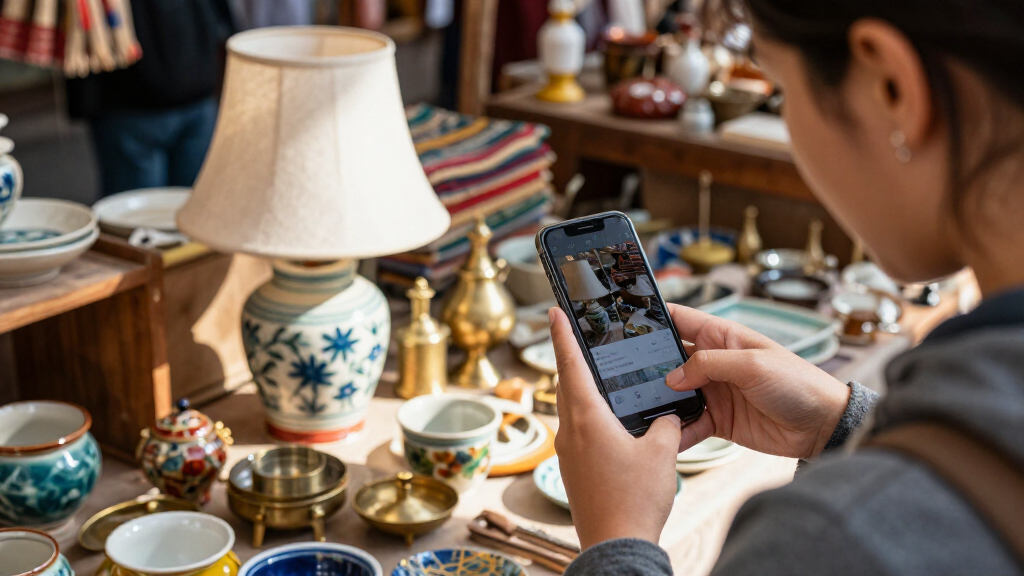
IdeaNavigator AI has outlined a proposed tool that would let shoppers search for used items by photo or keyword across two or three resale marketplaces in one place. The concept has not been reported as a launched product or validated service; its suggested first test is to manually find matches for 20 shoppers and track clicks and preferences.
IdeaNavigator AI has proposed a photo-and-keyword search tool that would gather matching used listings from several resale marketplaces in one results page, addressing the repeated searches shoppers often have to run site by site. The concept remains at the testing stage: no launched product, marketplace partnerships or completed user trial are described, according to the IdeaNavigator AI proposal.
According to the IdeaNavigator AI proposal, the minimum viable product would let a shopper upload a picture or enter keywords, then return matching secondhand listings from two or three major marketplaces. Results would be ranked by price, giving users a way to compare potential finds without repeating the same search across separate services. eBay, Facebook Marketplace, Mercari and Poshmark are named as examples of marketplaces shoppers may currently search; the proposal does not say that any of them have agreed to participate.
The proposal’s suggested first step is not to build a fully automated search platform. Instead, the team behind the idea would manually fulfill image-match requests for 20 shoppers across three marketplaces. It would then measure whether shoppers click through to listings and whether they prefer the combined results. Those measures could offer an early indication of interest, but the proposal reports no trial results or evidence of demand so far.
The business model under consideration, as described in the proposal, is affiliate commission when a shopper completes a purchase on a marketplace after clicking a result. The proposal does not provide commission rates, projected revenue, operating costs or details on how completed purchases would be tracked. It also does not explain how listings would be retrieved or refreshed across services.
One Search for Scattered Listings
A unified search could reduce the effort of tracking down a specific used item, particularly when it appears under different descriptions or is listed on marketplaces with separate inventories. A shopper searching for a particular piece of furniture, clothing item or collectible might otherwise need to repeat image or keyword searches and compare results manually. Combining those results could make price comparison easier, if the tool can find relevant listings reliably.
The concept also highlights a practical challenge for resale search: inventory is fragmented among services that do not share a common catalogue. But usefulness would depend on more than presenting listings together. A workable product would need relevant matches, current availability, comparable prices and a clear route to the marketplace where a purchase can be made. The proposed manual trial is intended to test whether shoppers value the aggregated results before those technical and commercial questions are addressed.
For readers, the immediate news is a product idea and validation plan, not a new shopping service they can use today. There is no reported evidence yet that the concept improves search outcomes, saves time or generates completed purchases.
As an affiliate, we earn on qualifying purchases.
How the Proposed Trial Works
The idea, as presented by IdeaNavigator AI, is aimed at deal-seeking secondhand shoppers who already know what item they want. Rather than begin with a broad catalogue or a general resale app, the proposed first use case is narrow: a person supplies a photo or search phrase, and the service looks for comparable listings across a small set of marketplaces.
IdeaNavigator AI’s rationale is that visual-search models have become less expensive and more capable of matching product photos, while resale listings remain spread across separate platforms. These points are presented as the rationale for trying the concept, not as measured results for this particular tool. No model, accuracy benchmark or cost estimate is specified.
The proposal’s sequence is to start with manual matching across three marketplaces, serve 20 shoppers, and observe click-through behavior and user preference for combined results. If that trial suggests interest, an automated product could follow. The proposal does not give a timeline for that work or identify a development team.
As an affiliate, we earn on qualifying purchases.
Demand and Access Remain Unproven
The IdeaNavigator AI proposal has not established whether shoppers will use a standalone search service or whether its matches will be accurate enough to be useful. The proposed test involves only 20 shoppers, and no results are available; even a positive response in that small exercise would not establish broad demand or long-term use.
Important operating details are also unresolved. The proposal does not specify how the tool would access listing data, whether marketplace terms permit the planned aggregation, how often results would update, or how it would handle sold or duplicated items. Nor does it explain how photo matching would account for differences in lighting, angles, condition, brands or seller descriptions. The examples of marketplaces are not confirmation of access, cooperation or commercial agreements.
The proposed affiliate model has its own open questions. Commission availability and rates are not given, and the plan does not describe attribution or the share of users expected to purchase after clicking. Until those points and trial results are available, the commercial viability of the idea remains uncertain.
As an affiliate, we earn on qualifying purchases.
A Small Shopper Test Comes First
The next step set out in the IdeaNavigator AI proposal is to manually handle image-match requests for 20 shoppers across three marketplaces. The team would track whether users click through to listings and ask whether they prefer an aggregated set of results to searching separately. No dates, recruitment method or reporting schedule have been announced.
Any account of the test would need to show how many shoppers completed a search, how relevant the returned listings were, and whether click-throughs led to purchases. It would also help clarify the marketplaces used and the limits on listing access. Until such findings are reported, the proposal should be understood as an early experiment in resale discovery, rather than an available service or proven business.
Source: IdeaNavigator AI
As an affiliate, we earn on qualifying purchases.
Key Questions
Is the photo-search tool available now?
No launch is described. The proposal outlines a concept and a possible manual test; it does not identify an available product.
Which marketplaces would it search?
The proposal suggests starting with two or three major marketplaces and names eBay, Facebook Marketplace, Mercari and Poshmark as examples. It does not confirm participation or access from any platform.
How would the first test work?
The suggested test is to manually find image matches for 20 shoppers across three marketplaces, then track click-throughs and whether users prefer the combined results. No test results have been reported.
How might the service make money?
The proposed model is affiliate commission on completed marketplace purchases. Commission terms and purchase-tracking arrangements are not specified.
What is still uncertain?
Demand, match accuracy, listing access, result freshness, marketplace permissions and the economics of affiliate commissions remain unresolved. The proposal provides no user-trial findings.
Source: IdeaNavigator AI
Halloween Picks
halloween
As an affiliate, we earn on qualifying purchases.