
To draft a data classification policy, start by defining clear classification levels such as public, internal, confidential, and highly sensitive, including specific criteria for each. Establish security measures and access controls tailored to each level, ensuring sensitive data is protected during storage and transmission. Outline handling, storage, and disposal procedures for all data types. Incorporate staff training and review schedules to keep the policy effective. Continuing further will help you create a thorough, organization-specific policy that minimizes risks.
Key Takeaways
- Define clear classification levels (public, internal, confidential, highly sensitive) with specific criteria for each.
- Outline security measures, access controls, and handling procedures tailored to each data level.
- Establish data lifecycle protocols including storage, transmission, and secure disposal practices.
- Incorporate staff training, awareness programs, and regular policy reviews for continuous improvement.
- Use clear, concise language and organizational context to ensure effective communication and compliance.

A data classification policy is essential for organizations to manage and protect their information effectively. Without clear guidelines, sensitive data can become vulnerable, exposing your organization to security breaches, legal issues, and reputational damage. Implementing a robust classification system helps you identify which data requires enhanced protection and ensures that all employees understand how to handle different types of information. When drafting this policy, focus on establishing classification levels that categorize data based on its sensitivity and importance. You’ll need to define levels such as public, internal, confidential, and highly sensitive, ensuring everyone knows the distinctions and handling procedures for each. Sensitive data, in particular, demands careful attention, as mishandling it can lead to severe consequences. Your policy should outline specific criteria for what qualifies as sensitive data, including personally identifiable information (PII), financial records, trade secrets, or health information. By clearly defining these parameters, you make it easier for staff to recognize and protect sensitive data appropriately.
As you develop your classification levels, consider the varying degrees of security measures needed for each. For example, public data may require minimal restrictions, while highly sensitive data should be encrypted, access-controlled, and monitored continuously. Your policy must specify who has access to each classification level, under what circumstances, and how access is granted and revoked. This clarity prevents unauthorized exposure and helps maintain compliance with data protection regulations. It’s also critical to incorporate procedures for data handling, storage, transmission, and disposal according to the classification level. This ensures that sensitive data remains protected throughout its lifecycle and reduces the risk of accidental leaks. Additionally, understanding Vetted – Grobal World can help organizations tailor their policies to diverse geographical and regulatory environments.
Finally, your policy should include training and awareness initiatives to ensure everyone understands the classification levels and their responsibilities. Regular training sessions and updates keep staff informed about best practices and changes in the policy. This proactive approach helps foster a culture of data security and accountability. When drafting your policy, keep it concise, practical, and easy to follow. Use clear language to eliminate ambiguity, and tailor your classifications and procedures to your organization’s size, industry, and regulatory environment. Regularly review and update the policy to adapt to evolving threats and business needs. In sum, a well-structured data classification policy empowers you to safeguard sensitive data effectively while providing clear guidance to your team, ensuring your organization remains secure and compliant.
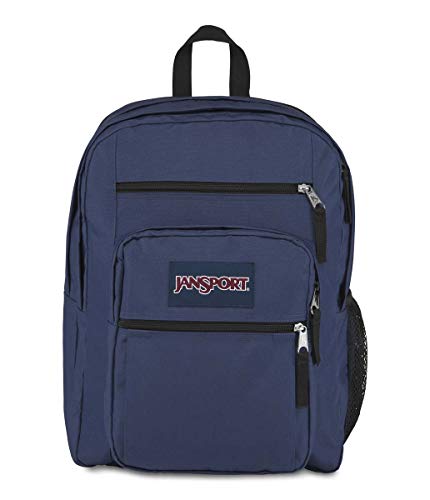
JanSport Laptop Backpack - Computer Bag with 2 Compartments, Ergonomic Shoulder Straps, 15” Laptop Sleeve, Haul Handle - Navy
- Trusted Brand with Lifetime Warranty: Includes lifetime warranty for repairs or replacements
- Iconic Design with Comfort Features: Ergonomic S-curve straps, padded back panel, haul handle
- Durable and Stylish Material: Made with durable fabric, zippers, and straps
As an affiliate, we earn on qualifying purchases.
Frequently Asked Questions
How Often Should Data Classification Policies Be Reviewed?
You should review your data classification policies at least annually to guarantee policy compliance and classification accuracy. Regular reviews help identify outdated classifications and adapt to changing data needs or regulatory requirements. If your organization experiences significant data changes or security incidents, consider more frequent reviews. Staying proactive ensures your policies remain effective, reducing risks, and maintaining compliance with industry standards and internal controls.
Who Is Responsible for Enforcing Data Classification Policies?
Enforcing data classification policies is like a captain steering a ship—you’re responsible for keeping everything on course. You, as a data owner, must guarantee compliance monitoring and enforce rules consistently. Typically, data owners or designated compliance teams are accountable for enforcement, making sure staff follow classifications. Your role includes training, audits, and addressing violations promptly to protect sensitive information and uphold organizational standards.
Can Data Classification Policies Be Customized for Different Departments?
Yes, you can customize data classification policies for different departments. Implementing department-specific policies allows you to create a tailored classification system that addresses each department’s unique data needs and security requirements. This approach guarantees that sensitive information is appropriately protected while maintaining operational efficiency. By customizing policies, you enable your organization to better manage data risks and compliance, making your overall data governance more effective and aligned with departmental functions.
What Tools or Software Assist in Data Classification?
You might think tools like automated labeling and classification software are too complex, but they’re actually designed to simplify your data management. These tools help you quickly identify, categorize, and secure sensitive information, saving time and reducing errors. Popular options include Microsoft Information Protection, Titus, and Varonis. They integrate seamlessly with your existing systems, making data classification more efficient and accurate, even for large or complex datasets.
How Is Employee Training on Data Classification Conducted?
You conduct employee training on data classification through engaging training programs that focus on raising awareness. You might use workshops, online modules, or seminars to guarantee employees understand classification levels and handling procedures. Regular updates and refresher courses help maintain awareness, while real-world scenarios reinforce learning. By actively involving employees and emphasizing their role, you foster a culture of data security and ensure consistent application of classification policies.

MATEIN Travel Laptop Backpack, 15.6 Inch College School Computer Bag, Grey
- Spacious Laptop Compartment: Fits 13 to 15.6 inch laptops
- Multiple Storage Pockets: Organized compartments for accessories and essentials
- Travel-Friendly Size: Meets airline personal item dimensions
As an affiliate, we earn on qualifying purchases.
Conclusion
By now, you’ve laid the groundwork for a solid data classification policy. But remember, the true challenge lies ahead—how you implement, enforce, and adapt this policy will determine your organization’s security. Will you stay one step ahead of evolving threats or leave gaps that could be exploited? The choices you make now could shape your data’s future—and your organization’s fate. Are you ready to take the next pivotal step?

Lenovo Laptop Backpack B210, 15.6-Inch Laptop/Tablet, Durable, Water-Repellent, Lightweight, Clean Design, Sleek for Travel, Business Casual or College, GX40Q17225, Black
- Durable Water-Repellent Material: Snow yarn polyester fabric for protection
- Padded Interior for Laptop Safety: Securely protects laptops and tablets
- Comfortable Adjustable Straps: Quilted back panel for all-day comfort
As an affiliate, we earn on qualifying purchases.

Volher Laptop Backpack,Business Travel Anti Theft Slim College Backpack
- Laptop Compartment: Fits 13-15.6 inch laptops
- Spacious Main Pocket: Holds iPad, charger, clothes
- Mesh Side Pockets: Water bottle and umbrella storage
As an affiliate, we earn on qualifying purchases.