

Vendor Management 101 involves building strong relationships with suppliers through effective contract negotiation, which clearly outlines quality, delivery, payments, and dispute processes. You’ll want to focus on ongoing performance monitoring, tracking key metrics like punctuality and quality, and maintaining open communication. Regular reviews and feedback help ensure vendors meet your standards, fostering trust and accountability. Keep exploring to learn how strategic management can lead to long-term success and smoother vendor partnerships.
Key Takeaways
- Establish clear contracts that define quality, delivery, payment, and dispute resolution to set expectations.
- Continuously monitor vendor performance using KPIs and regular reviews to ensure compliance with contract terms.
- Foster strong relationships through transparent communication, collaboration, and feedback to promote trust and improvement.
- Address issues proactively with corrective actions or renegotiations to maintain vendor reliability.
- Focus on mutual accountability and ongoing evaluation to ensure long-term vendor success and organizational needs.

Have you ever wondered how businesses guarantee their suppliers deliver quality products on time and within budget? The answer often lies in effective vendor management, which starts with solid contract negotiation. When you negotiate contracts with vendors, you’re establishing the foundation for a successful partnership. It’s about more than just price; you focus on terms that cover quality standards, delivery timelines, payment conditions, and dispute resolution processes. A well-structured contract clearly defines expectations, helping prevent misunderstandings and setting performance benchmarks. During negotiations, you want to ensure that both parties are aligned on these critical aspects, creating a mutual understanding that promotes accountability. This proactive approach minimizes risks and provides a clear roadmap for vendor performance, giving you confidence that the supplier will meet your needs. Regularly reviewing vendor reliability and service quality is essential to maintaining a strong relationship and ensuring consistent performance.
Once the contract is in place, managing vendor performance becomes an ongoing process. You need to actively monitor how well your suppliers are adhering to the agreed terms. This involves tracking key performance indicators (KPIs) such as delivery punctuality, product quality, responsiveness, and compliance with specifications. Regular review meetings, performance reports, and feedback loops help you stay informed about how the vendor is performing. If issues arise, you’re prepared to address them promptly—whether through corrective action plans, renegotiations, or, in some cases, finding alternative suppliers. Your goal is to foster a relationship built on transparency and continuous improvement, which ultimately ensures that the vendor consistently meets your standards.
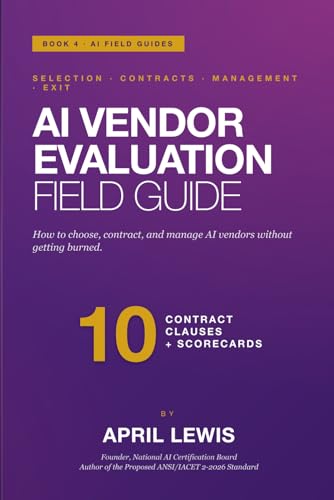
AI Vendor Evaluation Field Guide: How to choose, contract, and manage AI vendors without getting burned. (The AI Playbooks)
As an affiliate, we earn on qualifying purchases.
As an affiliate, we earn on qualifying purchases.
Frequently Asked Questions
How Do I Select the Right Vendors for My Business?
To choose the right vendors for your business, start with thorough vendor selection by clearly defining your needs and criteria. Conduct supplier evaluation by evaluating their reliability, quality, and pricing. Request quotes, review references, and compare options carefully. Trust your instincts and prioritize vendors who demonstrate strong communication and flexibility. This process ensures you partner with suppliers that align with your goals, minimizing risks and fostering long-term success.
What Are Common Vendor Management Pitfalls to Avoid?
You should be aware that common vendor management pitfalls include neglecting contract risk and overlooking compliance issues. Failing to thoroughly review contracts can expose your business to legal and financial risks. Additionally, ignoring compliance requirements might lead to penalties or reputational damage. To avoid these pitfalls, actively monitor vendor performance, ensure clear contractual terms, and stay updated on regulatory changes, so you maintain control and mitigate potential problems effectively.
How Can Technology Improve Vendor Relationship Management?
Technology can considerably enhance your vendor relationship management by enabling automated communication, which keeps all parties informed and reduces misunderstandings. Additionally, leveraging real-time analytics allows you to monitor vendor performance instantly, identify issues early, and make data-driven decisions. These tools streamline collaboration, improve transparency, and foster stronger relationships, helping you manage vendors more effectively and proactively address challenges before they escalate.
What Metrics Should I Use to Evaluate Vendor Performance?
Did you know that 60% of businesses find vendor performance metrics essential for success? To evaluate your vendors effectively, focus on key performance metrics like delivery timeliness, quality, and cost management. Use clear evaluation criteria such as response times and compliance rates to guarantee consistency. Regularly review these metrics to identify improvement areas, strengthen relationships, and make certain your vendors meet your strategic goals.
How Do I Handle Vendor Disputes Effectively?
When handling vendor disputes, you should focus on clear communication and swift dispute resolution. Start by reviewing the contract negotiation terms to understand your rights and obligations. Address issues directly with the vendor, aiming for a collaborative solution. Document all interactions and involve legal or procurement teams if needed. Staying proactive and transparent helps resolve conflicts effectively, maintaining a strong relationship and ensuring both parties’ interests are protected.

Efficient Go: Data-Driven Performance Optimization
As an affiliate, we earn on qualifying purchases.
As an affiliate, we earn on qualifying purchases.
Conclusion
Think of vendor management as tending a garden. With care, attention, and clear communication, your relationships grow strong and fruitful. When you nurture these connections, you create a thriving landscape where trust blossoms and problems wither away. Just like a gardener tends to each plant, you’ll cultivate partnerships that flourish, ensuring your business harvests success. Keep your tools sharp and your attitude positive, and watch your vendor garden bloom beautifully.
Vendor Scorecards Made Simple: Master Vendor Evaluations and Drive Business Success
As an affiliate, we earn on qualifying purchases.
As an affiliate, we earn on qualifying purchases.

PMXBOARD Quality KPI Board Set, Magnetic Defect Tracking & Quality Control Board for Manufacturing, Daily & Monthly FPY Performance Tracking, 33 x 26 in Dry Erase Board with 180 Magnets
- Versatile KPI Tracking: Records daily defect counts and quality metrics
- Dual Timeframe Monitoring: Tracks daily and monthly quality performance
- Complete Magnetic Kit: Includes magnets, markers, eraser, and mounting hardware
As an affiliate, we earn on qualifying purchases.
As an affiliate, we earn on qualifying purchases.