

When comparing throughput and utilization, remember that focusing solely on utilization can lead you into a trap. Pushing resources to near 100% capacity might seem efficient, but it often causes queues, delays, and reduces overall throughput. To avoid this, aim for a balance that maximizes flow without overload. Understanding how to manage queues and identify bottlenecks will help you optimize system performance. Keep exploring to discover how to strike this crucial balance effectively.
Key Takeaways
- Prioritize balancing throughput and utilization to prevent bottlenecks and inefficiencies.
- Avoid pushing utilization near 100%, which can reduce overall throughput and cause delays.
- Monitor both metrics regularly to identify and address bottlenecks promptly.
- Recognize that high utilization with low throughput signals underperformance, not efficiency.
- Manage queues effectively to ensure smooth workflow and optimize resource use without overloading.

Understanding the difference between throughput and utilization is essential for maximizing system performance. When you’re managing processes or workflows, it’s easy to get caught up in trying to maximize how busy your system is, but that can be misleading. Instead, focus on throughput—the amount of work completed in a given period—and utilization, which measures how much of your system’s capacity is being used. If you only aim to increase utilization without considering throughput, you might end up with a system that’s constantly busy but not productive. Conversely, high throughput with low utilization can indicate inefficiencies or underused resources. One of the most effective ways to improve your system is by mastering queue management. Proper queue management helps you control how tasks flow through your system, preventing overloads that cause bottlenecks. When queues grow too long, it signals that some part of your process is slowing down relative to others. This is where bottleneck identification becomes critical. By pinpointing where delays happen, you can focus your efforts on alleviating those specific constraints. For example, if your customer service team gets overwhelmed while other parts of your process move smoothly, that department is likely the bottleneck. Addressing this bottleneck by adding resources or streamlining procedures will boost overall throughput without unnecessarily ramping up utilization elsewhere. It’s tempting to push your system to operate at near 100% utilization, thinking it’s the most efficient approach. However, this often leads to diminishing returns. When utilization is too high, queues tend to grow, increasing wait times and reducing overall throughput. Instead, aim for a balanced approach where your system is sufficiently utilized but not overwhelmed. This ensures that work continues to flow smoothly and that resources are used effectively. Monitoring both throughput and utilization allows you to make smarter decisions. If throughput drops but utilization remains high, you’re likely facing a bottleneck that needs immediate attention. Alternatively, if utilization is low but throughput isn’t increasing, it suggests that resources are underused, and you might need to realign your workflow or add more capacity. Regularly reviewing queue management strategies and conducting bottleneck identification exercises keeps your system agile and responsive. Incorporating psychological research into your process analysis can provide insights into human factors that influence system efficiency. By focusing on these aspects, you avoid the trap of mistaking high utilization for efficiency and ensure your system operates at its best performance level, delivering maximum value with minimal waste of resources.

POS Software – All in One Retail Point of Sale Software – Credit Card Processing – Store Management Features, 90 Days Money Back, Free Updates/e-mail Support/video Tutorials
Affordable POS Software
As an affiliate, we earn on qualifying purchases.
As an affiliate, we earn on qualifying purchases.
Frequently Asked Questions
How Can I Accurately Measure System Throughput?
You can accurately measure system throughput by tracking the number of transactions or data processed over a specific period, ensuring measurement accuracy. Identify performance bottlenecks that may skew results and use consistent tools or metrics to monitor activity. Regularly analyze the data to confirm that your measurements reflect real system performance, avoiding under- or over-estimation. This approach helps you optimize resources and prevent misleading conclusions about your system’s efficiency.
What Are Common Signs of Utilization Overload?
Utilization overload hits like a storm, slowing everything down. You’ll notice increased response times, frequent bottlenecks, and system sluggishness. These signs indicate your capacity planning needs adjustment. When one component consistently limits performance, it’s a clear bottleneck. Keep an eye on resource usage patterns and delays. Identifying these signs helps you optimize your system, prevent overloads, and maintain smooth throughput without sacrificing efficiency.
How Does Variability Impact Throughput and Utilization?
Variability in workload can cause server bottlenecks, reducing throughput and misguiding your utilization metrics. When workload fluctuates, servers may become overwhelmed during peaks, leading to delays and decreased efficiency. This variability skews your understanding of capacity, making utilization seem high even when throughput drops. To avoid this trap, monitor both metrics carefully and implement adaptive strategies that handle workload changes without overloading your systems.
Can High Utilization Ever Be Beneficial?
Did you know that in some industries, maintaining 85% capacity utilization boosts efficiency without risking bottlenecks? Yes, high utilization can be beneficial when you focus on smart capacity planning and resource allocation. It maximizes productivity and reduces idle time. However, pushing too high risks overloads and delays. Balance is key; use data-driven insights to optimize your resources and guarantee your system remains flexible and resilient.
What Tools Are Best for Monitoring Throughput and Utilization?
You should use tools like Nagios, Zabbix, or SolarWinds to monitor throughput and utilization effectively. These tools help you track network latency and identify hardware bottlenecks that affect performance. By analyzing real-time data, you can prevent over-utilization that hampers throughput, ensuring your system runs smoothly. They also alert you to issues early, so you can optimize resources before hardware bottlenecks cause significant problems.

Classic Essential Sparkling Wine Beverage CO2 Meter Beer Testing Equipment for Detect The Bottleneck Air Carbon Dioxide Content
As an affiliate, we earn on qualifying purchases.
As an affiliate, we earn on qualifying purchases.
Conclusion
Remember, chasing high utilization is like filling a jar to the brim—soon, it overflows and stalls. Instead, focus on throughput, letting your system flow smoothly like a river carving through the landscape. By balancing these, you avoid the trap of bottlenecks and keep your operations agile. Think of it as steering a ship—steady and efficient, never overburdened, always on course. Embrace this balance, and your productivity will voyage far beyond the stormy shoals.

TWIN-TOWN 10PCS Oscillating Multitool Saw Blades for Wood Plastics Metal
Superior Cutting Performance: Engineered for exceptional durability, our 10-Pack Carbide Teeth Oscillating Multitool Blades effortlessly cut through hard…
As an affiliate, we earn on qualifying purchases.
As an affiliate, we earn on qualifying purchases.
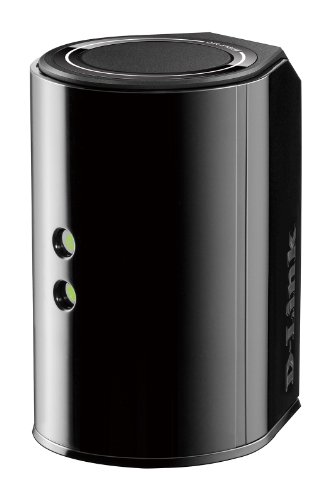
D-Link Wireless AC750 Dual-Band Gigabit Cloud Router, Black (DIR-818LW/D)
Uses the wireless AC technology to deliver fast wireless connectivity with increased range and reliability
As an affiliate, we earn on qualifying purchases.
As an affiliate, we earn on qualifying purchases.