
TL;DR
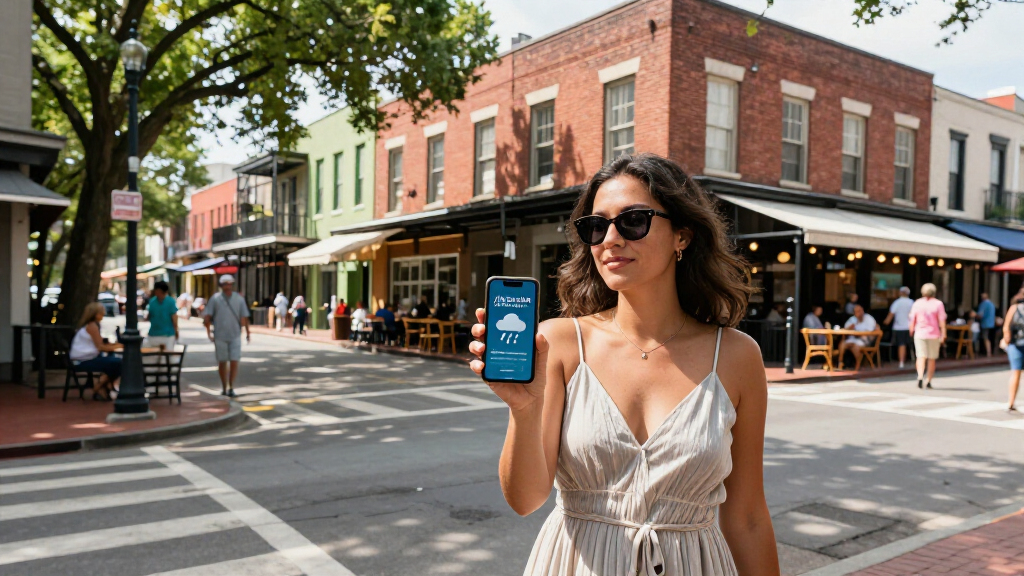
A trading market suggests a high likelihood of rain in New Orleans on August 23, 2026, with a 92% probability based on recent trades. However, long-term weather forecasts remain highly uncertain this far ahead.
Based on recent activity in a weather prediction market, there is a 92% implied probability of rain in New Orleans on August 23, 2026. However, it is important to note that long-term weather forecasts at this scale are highly uncertain, and no definitive weather prediction can be made this far in advance.

Get business pricing on office and shipping supplies
- Business-only prices and quantity discounts
- Tax-exempt purchasing
- Multiple users, one account, clear invoices
The prediction stems from a Kalshi market where traders have recently placed 92 trades indicating a high likelihood of rain on that date. Market-based forecasts like this reflect collective trader sentiment rather than scientific weather models.
Weather forecasts beyond a few days typically rely on computer models that analyze atmospheric data, but accuracy diminishes significantly for forecasts extending years into the future. Experts caution against placing too much confidence in predictions for specific weather events more than a year ahead.
As of now, no official meteorological agencies have issued forecasts or warnings for August 2026, and climate patterns are too variable to reliably predict conditions so far in advance.
Implications of Long-Term Weather Market Predictions
This prediction highlights the increasing use of market-based tools for forecasting and risk assessment, but it also underscores the limitations of such methods for precise weather predictions years into the future. For residents and planners in New Orleans, it remains impossible to rely on this forecast for decision-making at this stage.
Understanding the difference between market sentiment and scientific forecast accuracy is crucial, especially for long-term planning related to climate and weather-dependent activities.
Products Worth Considering

Dell UltraSharp U4025QW 40-Inch Curved 5K2K WUHD LED Monitor

Logitech MX Master 4 Ergonomic Wireless Mouse with Haptic Feedback, Graphite

Apple MacBook Pro 13 with Touch Bar, 10th-Gen Quad-Core Intel Core i7 2.3GHz, 32GB RAM, 512GB SSD, Silver (Mid 2020)
As an affiliate, we earn on qualifying purchases.
How Long-Range Weather Forecasts Are Made and Their Limits
Weather forecasts are generated using computer models that analyze current atmospheric data to predict future conditions. These models are generally reliable for up to 7-10 days but become increasingly inaccurate beyond that timeframe.
Forecasts for specific dates several years in advance, like August 2026, are based on climate models and probabilistic methods, which do not provide precise weather conditions but rather general trends or probabilities.
The recent activity in the Kalshi market reflects traders’ expectations rather than scientific consensus, emphasizing the current limits of long-term weather prediction.
“Forecasts extending beyond a year are inherently uncertain, and predictions for specific days so far in advance should be viewed with caution.”
— Dr. Emily Carter, Meteorologist at NOAA
Reliability of Market-Based Weather Predictions Years Ahead
While the Kalshi market indicates a high probability of rain, this is based on trader activity, not scientific weather modeling. The accuracy of such predictions for a specific day nearly three years in the future remains highly uncertain.
Experts emphasize that weather conditions are influenced by complex, dynamic factors that cannot be reliably forecasted so far in advance.
Monitoring Scientific Forecasts as the Date Approaches
As August 2026 approaches, official weather agencies will update forecasts based on current atmospheric data, providing more reliable predictions closer to the date. Residents and planners should rely on these updates rather than market predictions for decision-making.
Scientists will continue to improve long-range climate models, but precise daily weather forecasts for specific dates remain unlikely more than a year ahead.
Key Questions
Can the Kalshi market prediction be trusted for long-term weather forecasts?
No. Market-based predictions reflect trader sentiment and are not scientific forecasts. Long-term weather predictions remain highly uncertain and should be viewed with caution.
How accurate are weather forecasts for dates beyond one year?
Forecast accuracy diminishes significantly beyond one year, especially for specific daily conditions. Climate models can indicate general trends but not precise weather events.
Will official weather agencies provide forecasts for August 2026?
Likely not until closer to the date, as current models cannot reliably predict specific conditions more than a year in advance.
Why do traders in the Kalshi market believe there will be rain?
The trades reflect collective trader sentiment and risk assessment, not scientific weather predictions. They are influenced by factors like recent trading activity and market speculation.
Source: kalshi