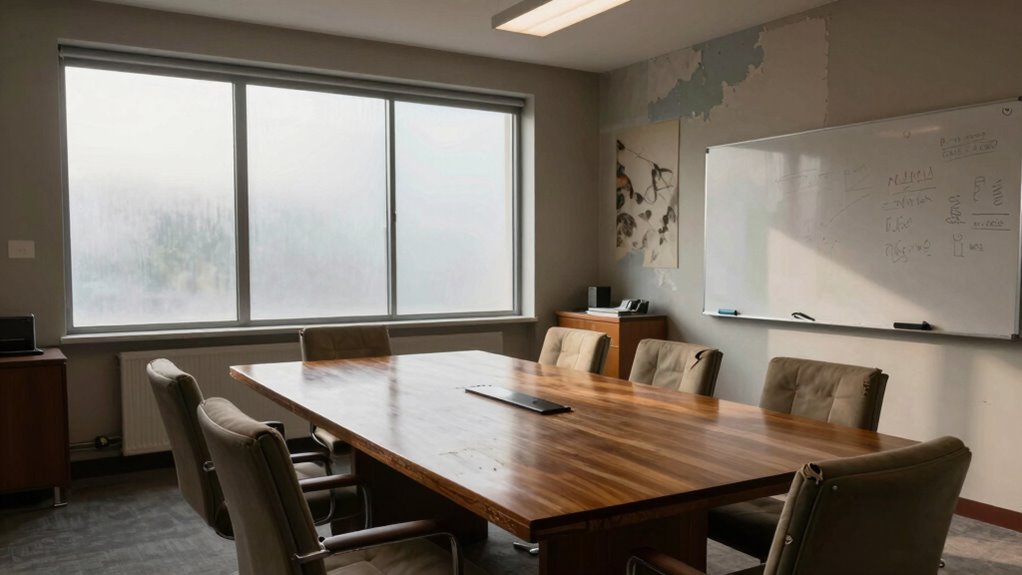

You should consider a full meeting room refresh when outdated technology causes frequent malfunctions, or the space no longer supports your team’s needs. If the layout feels cramped or uninviting, it can hinder collaboration and creativity. An unappealing design impacts morale and productivity. When comfort, usability, and efficiency are compromised, it’s time for an update. Keeping these signs in mind can help you determine if a refresh is needed—and there’s more to explore if you want to get it just right.

Get business pricing on office and shipping supplies
- Business-only prices and quantity discounts
- Tax-exempt purchasing
- Multiple users, one account, clear invoices
Key Takeaways
- Technology issues causing frequent disruptions indicate a need for an upgrade or complete refresh.
- Persistent space discomfort or poor layout hinder collaboration and suggest reconfiguration or redesign.
- Outdated aesthetics or uninviting environment reduce team morale and productivity, signaling a refresh is needed.
- Negative feedback from multiple users about comfort, usability, or functionality highlights the need for improvements.
- Incompatibility with current team objectives or workflows points to the necessity of a full room overhaul.
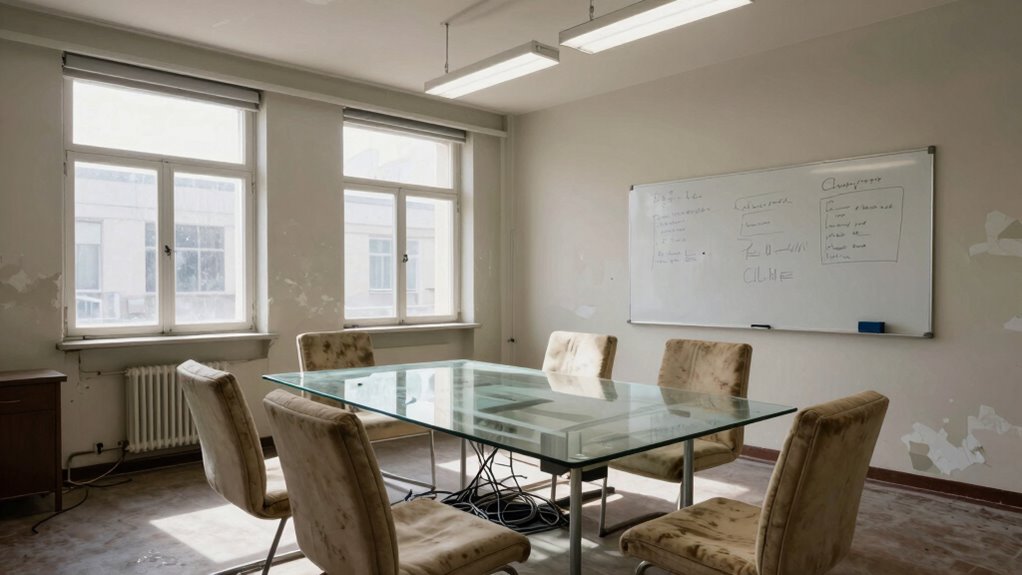
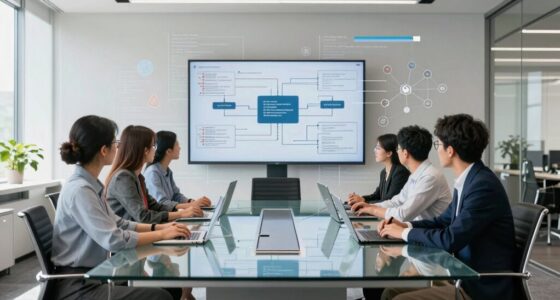
Deciding when to give your meeting room a full refresh isn’t always obvious, but recognizing key signs can save you time and boost productivity. Over time, your space can become outdated or inefficient, impacting how effectively your team collaborates. One major indicator is the need for technology upgrades. If your current equipment—such as projectors, audio systems, or conferencing tools—frequently malfunctions or no longer supports the latest software, it’s a clear sign the room needs a refresh. Outdated technology hampers smooth meetings, causes frustration, and wastes valuable time. Upgrading these systems can dramatically improve the experience, making meetings more seamless and engaging. It’s also worth considering whether the technology aligns with your team’s evolving needs. For example, if remote participation has increased, investing in high-quality video conferencing hardware becomes essential.
Another key sign is space reconfiguration. As your team grows or shifts focus, your current layout might no longer suit your needs. If your meeting room feels cramped, awkward, or overly spacious, it’s time to rethink the configuration. A space reconfiguration can optimize the flow, improve acoustics, and enhance comfort. Flexible furniture, movable walls, or dedicated breakout areas can make a significant difference in how your team collaborates. When your current setup limits interaction or makes it difficult to facilitate different types of meetings, it’s a sign you should consider a full refresh. Additionally, if your room’s design feels outdated or uninspiring, it can affect morale and creativity. A fresh look, with modern aesthetics and functional layouts, can revitalize the space and encourage more productive meetings. Paying attention to space ergonomics ensures your environment supports both comfort and efficiency. Furthermore, updating the interior design can create a more inviting atmosphere that fosters innovation and engagement.
Beyond these signs, you should also pay attention to feedback from your team. If multiple colleagues mention difficulty in using the space or express dissatisfaction, it’s a strong cue to initiate a full refresh. Sometimes, the issues aren’t just technical but also related to comfort and usability. Upgrading furniture, improving lighting, and incorporating ergonomic elements can make a big difference. Recognizing the importance of space functionality can help you identify practical improvements that enhance overall usability. Keep in mind that a full refresh is an investment in your team’s efficiency. When the current setup no longer supports your objectives or hinders smooth operations, it’s time to act. Recognizing these signs early helps prevent small issues from escalating into bigger disruptions, ensuring your meeting space remains a productive environment that adapts with your team’s needs. Additionally, considering how technology integration can streamline workflows is essential for modernizing your space effectively.
Products Worth Considering

Logitech MX Master 4 Ergonomic Wireless Mouse with Haptic Feedback, Graphite

HP Sprocket Studio Plus Wireless 4×6 Photo Printer
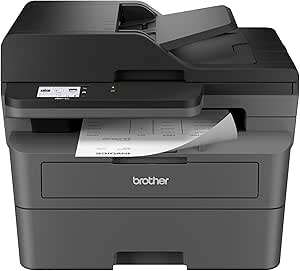
Brother MFC-L2820DW Wireless Monochrome All-in-One Laser Printer
As an affiliate, we earn on qualifying purchases.
Frequently Asked Questions
How Often Should Meeting Rooms Be Evaluated for Updates?
You should evaluate your meeting rooms annually to guarantee furniture durability and the color scheme stay current. Regular assessments help you spot wear and tear, outdated decor, or tech needs. If furniture shows signs of damage or the color scheme feels stale, it’s time for a refresh. Staying proactive ensures your meeting space remains inviting, functional, and aligned with your brand’s evolving style, fostering productive meetings and a professional atmosphere.
What Budget Considerations Are Involved in a Full Refresh?
Think of your budget as a garden needing careful tending. You conduct a cost analysis to understand expenses and prioritize essential upgrades. Vendor selection acts as choosing the best seeds—look for quality and value. Balancing your financial resources guarantees your meeting room refresh blossoms without draining your funds. Keep an eye on ongoing costs and potential ROI, so your investment yields a vibrant, functional space that energizes every meeting.
How Can Technology Upgrades Impact Room Usability?
Technology upgrades, like smart integration, can greatly boost your room’s usability by enabling seamless communication and automation. When you incorporate ergonomic design, it guarantees comfort and ease of use for all participants. These upgrades make meetings more efficient, reduce technical frustrations, and foster collaboration. By investing in smart tech and ergonomic features, you create a modern, functional space that adapts to your team’s needs, enhancing overall productivity.
Are There Industry Standards for Meeting Room Refresh Timelines?
Think of meeting room refresh timelines like seasons changing—there’s no one-size-fits-all schedule. Industry standards suggest every 3 to 5 years for aesthetic enhancements and furniture upgrades, but you should consider usage and wear. If furniture feels out of style or technology becomes outdated, it’s time for a refresh. Regular assessments help keep your space inviting, functional, and aligned with industry best practices.
How to Prioritize Renovations Based on Room Usage?
You should prioritize renovations based on room usage by evaluating how often and intensively the space is used. Focus on furniture aesthetics that match the room’s purpose and improve comfort, and consider lighting enhancements to boost productivity and ambiance. High-traffic rooms or those hosting important meetings deserve quicker updates, while less-used spaces can wait. Regularly evaluate usage patterns to keep your meeting rooms functional, inviting, and up-to-date.
Conclusion
A full refresh can transform your meeting space into a more productive environment. Keep an eye out for outdated tech, uncomfortable furniture, or poor lighting—these signs signal it’s time for an upgrade. Did you know that 70% of employees feel that modern meeting rooms boost collaboration? Investing in your space isn’t just about aesthetics; it’s about fostering better communication and innovation. When these signs appear, don’t hesitate to give your meeting room the refresh it needs.